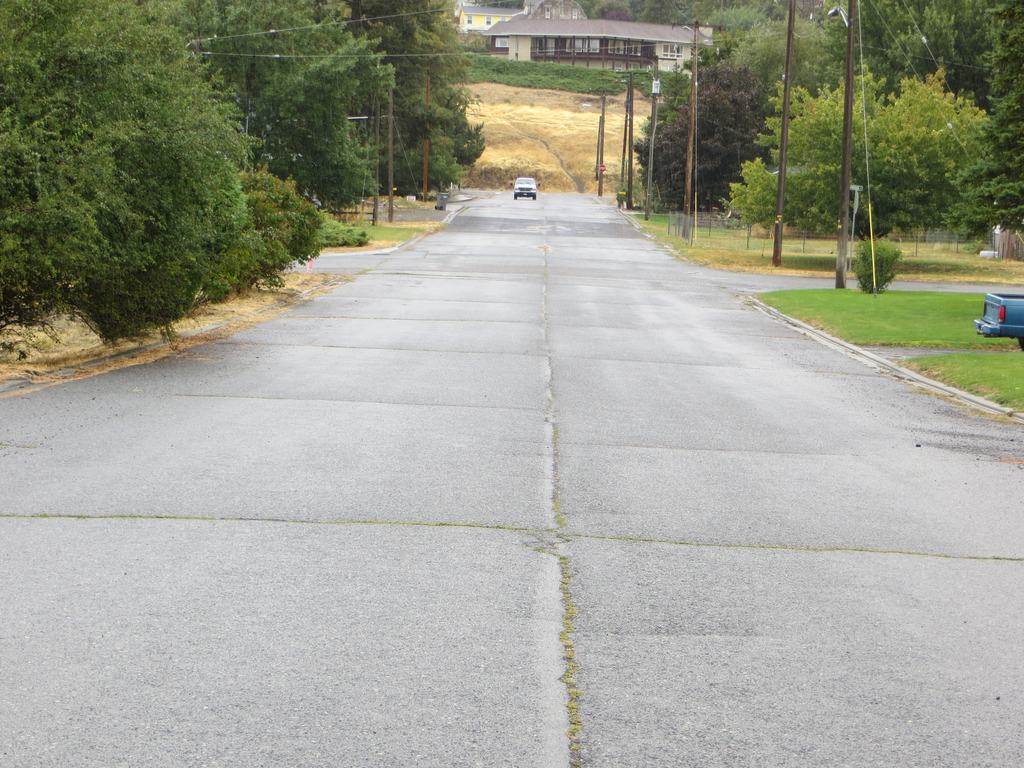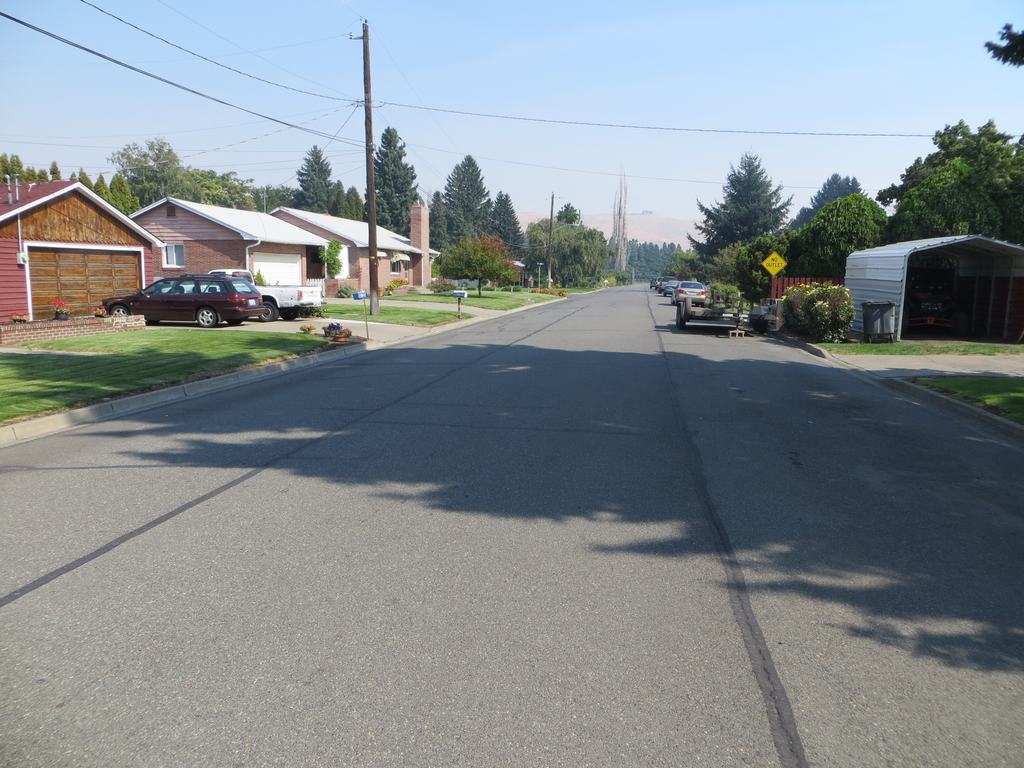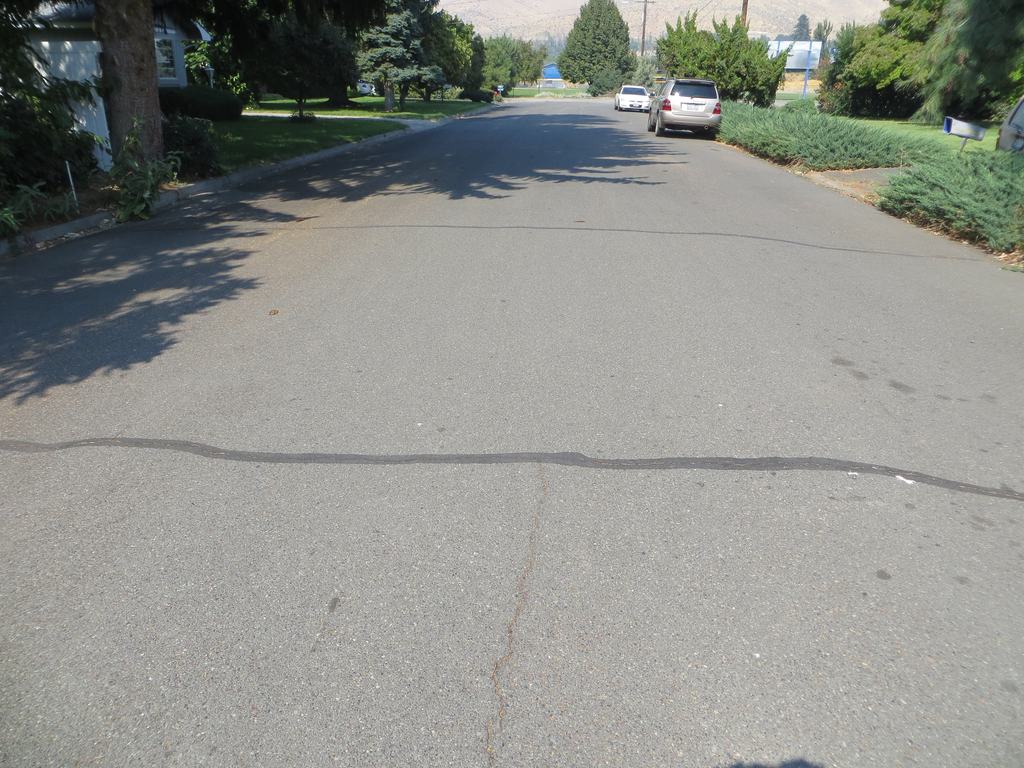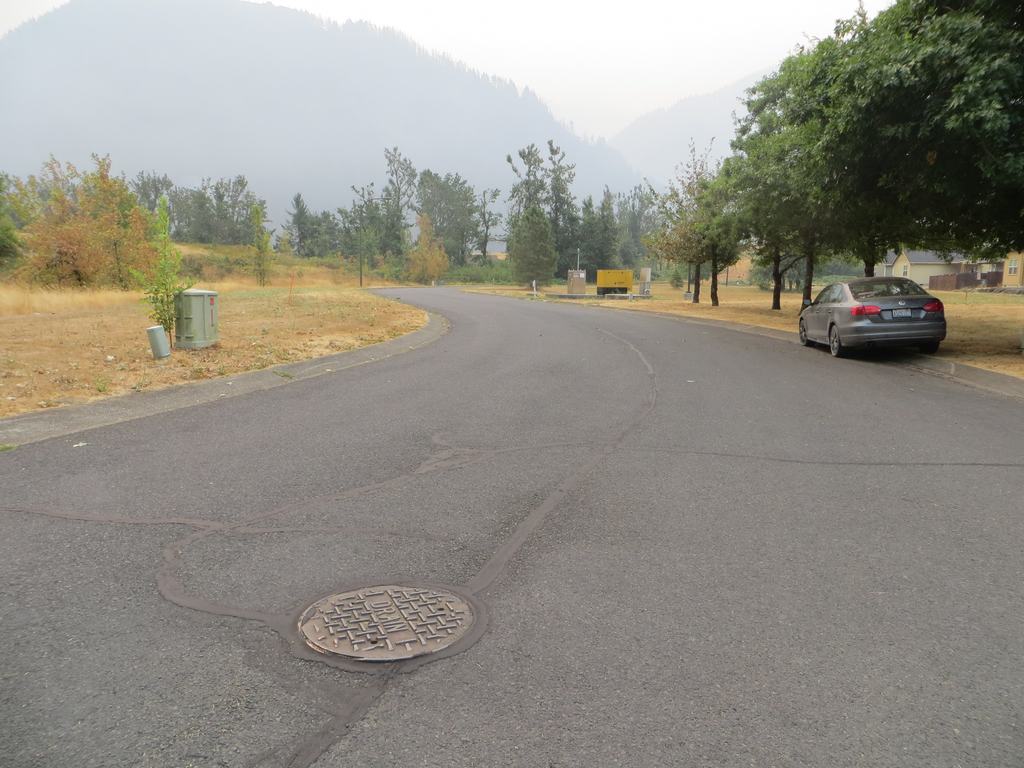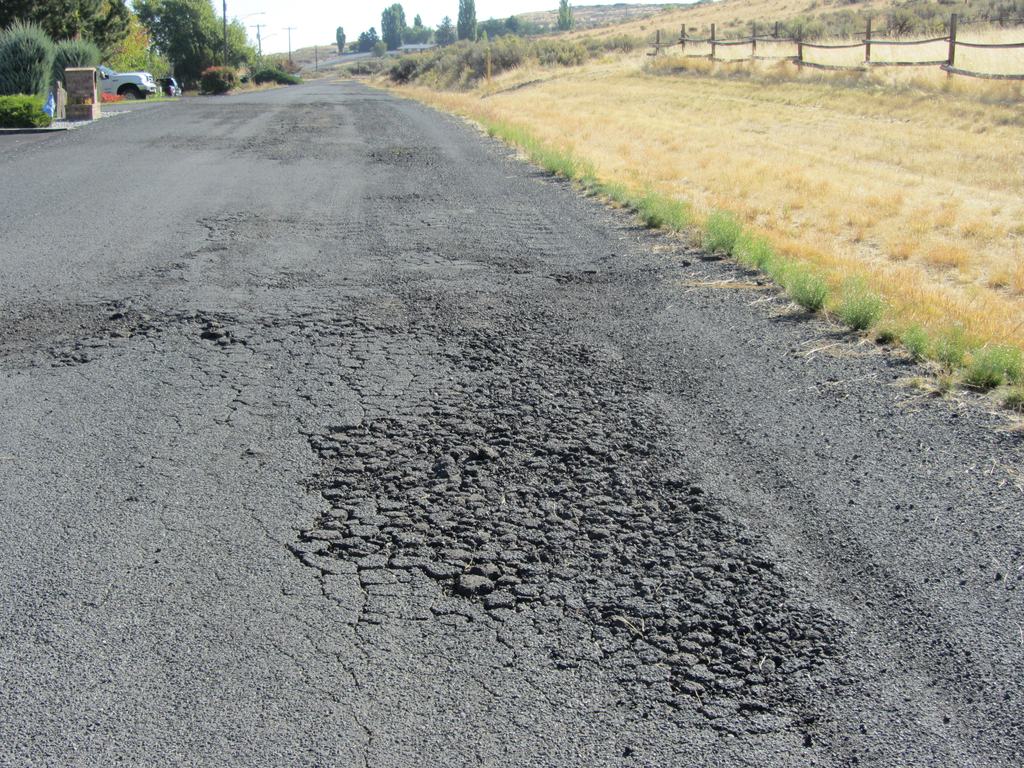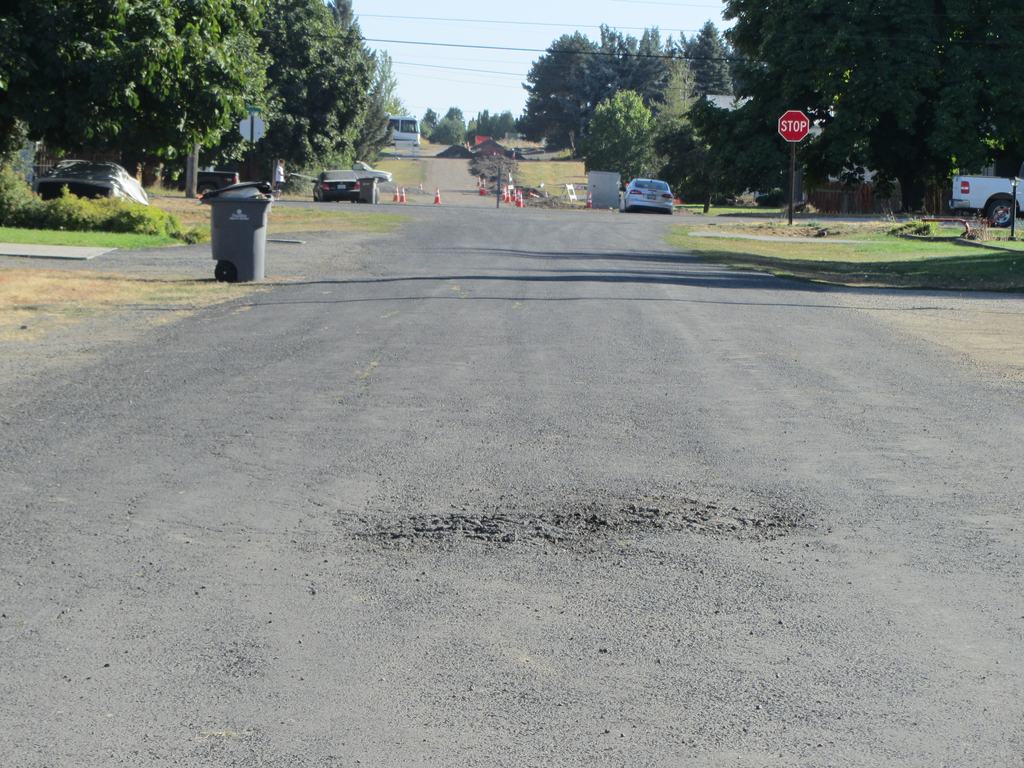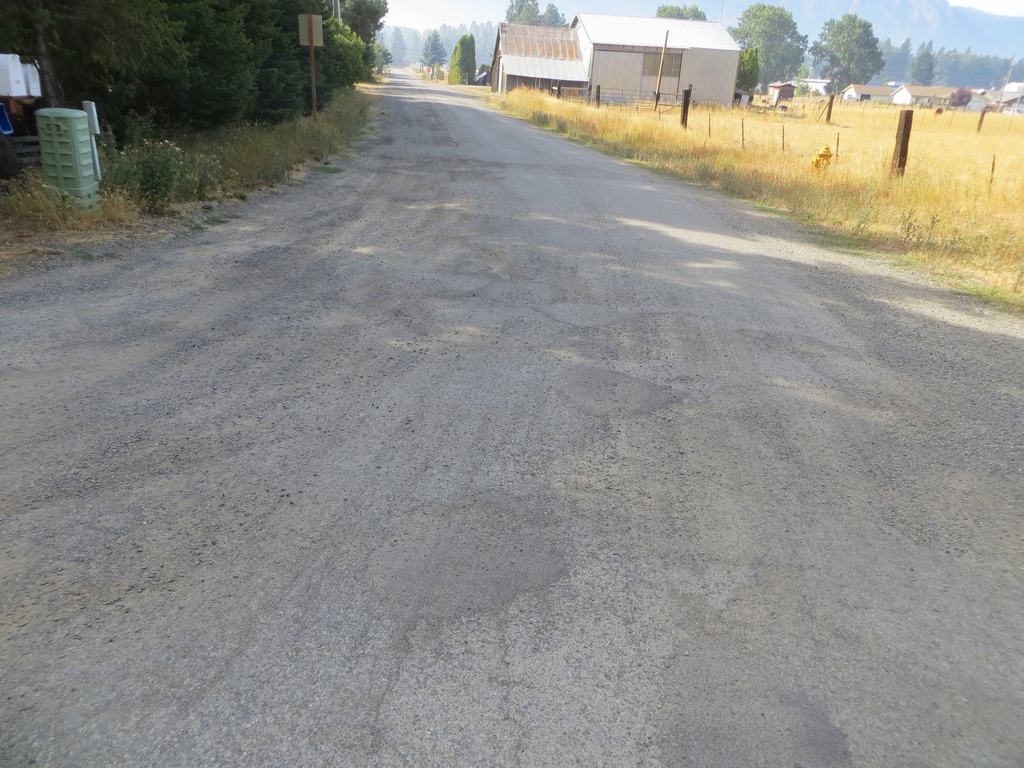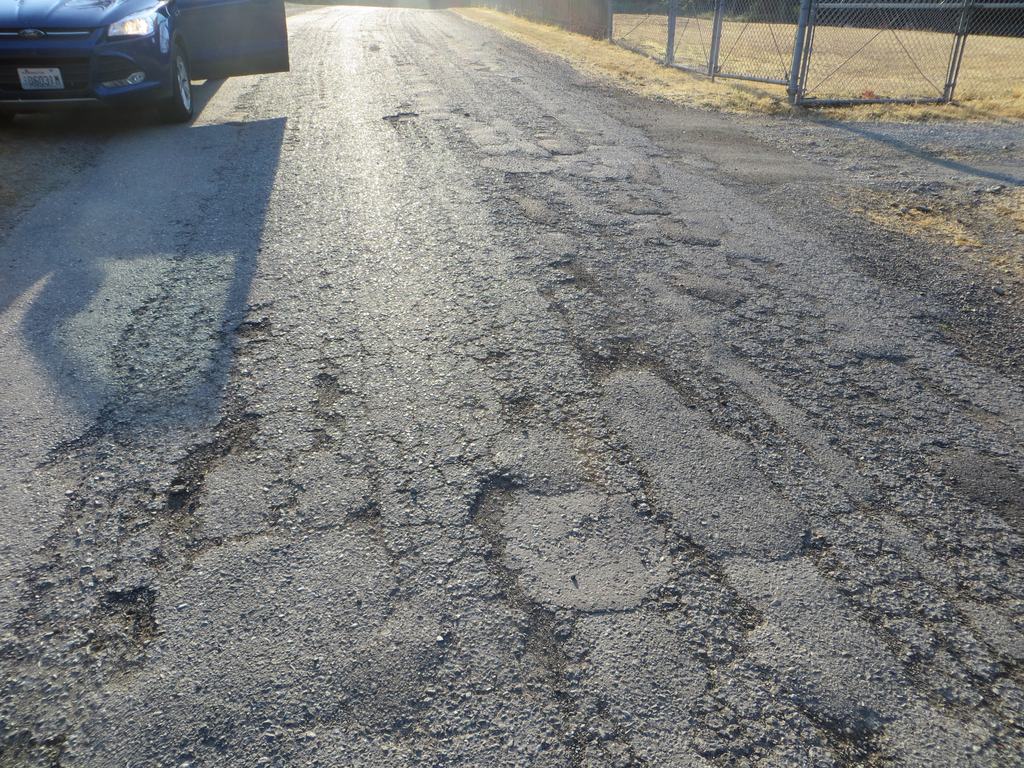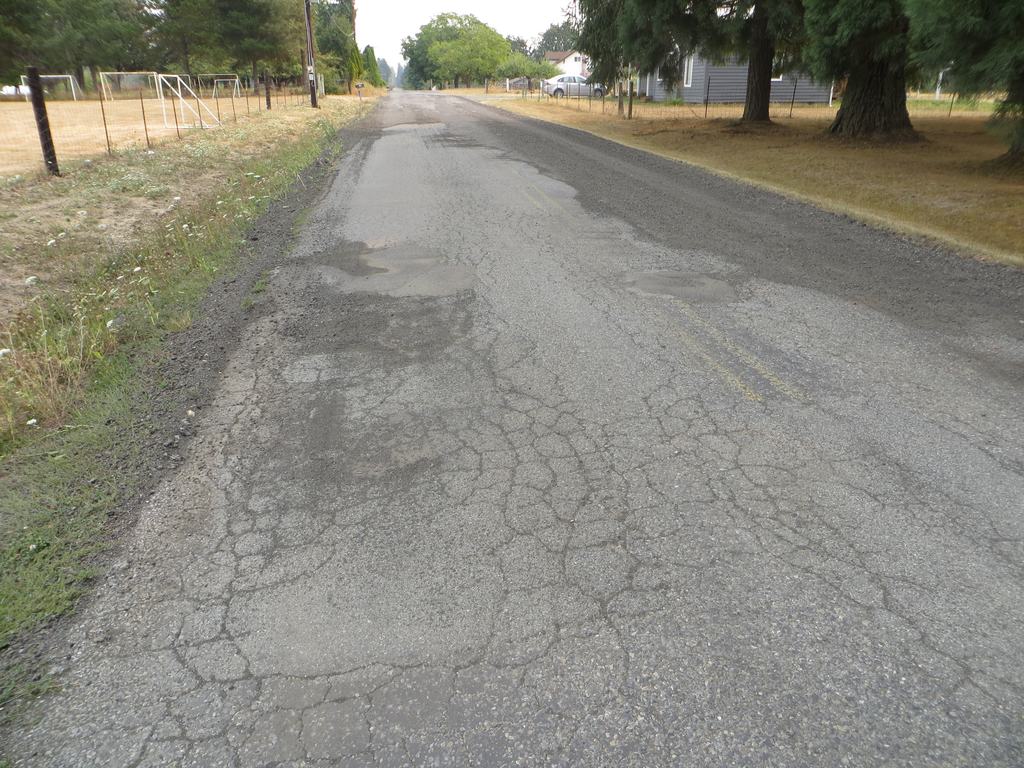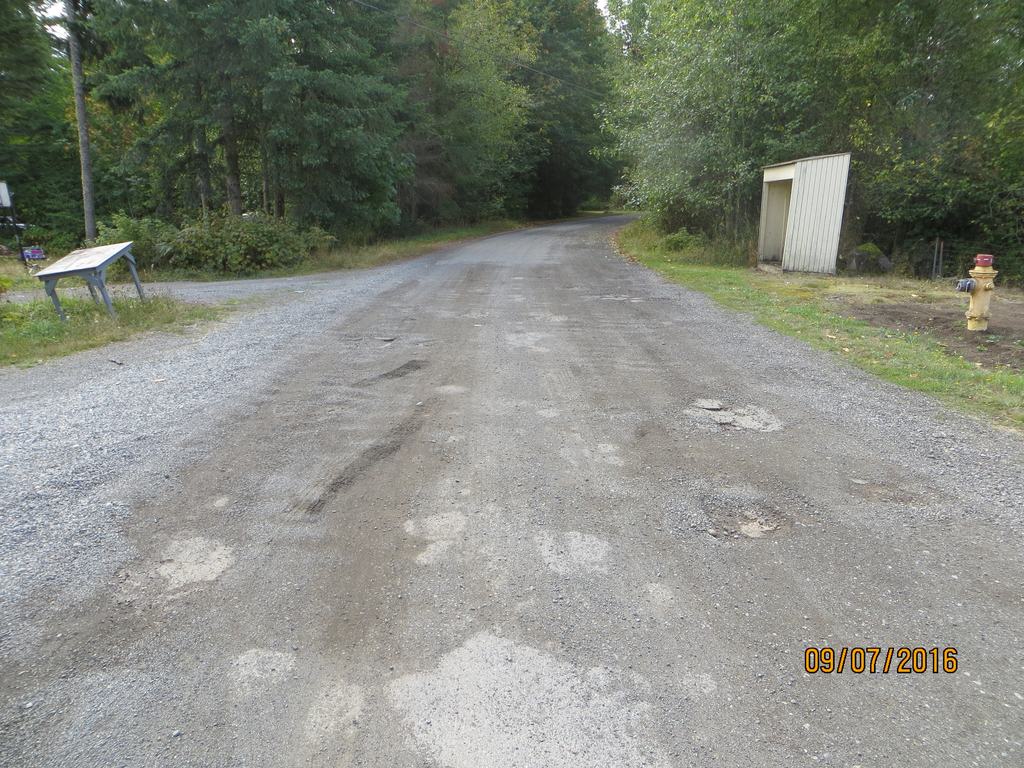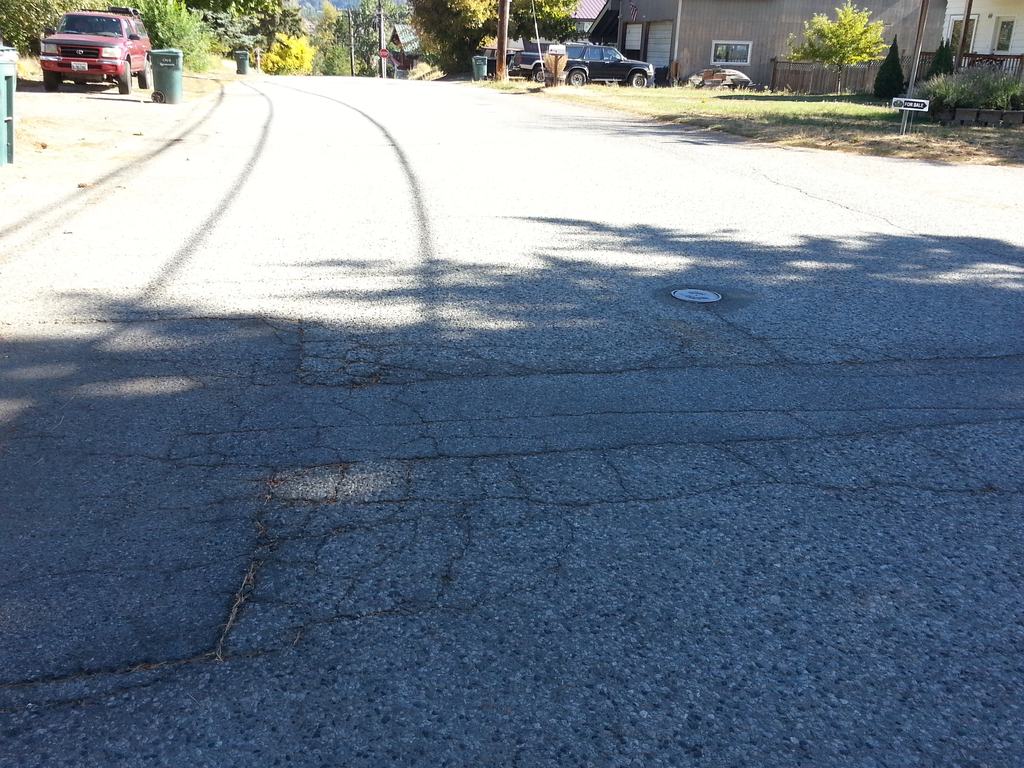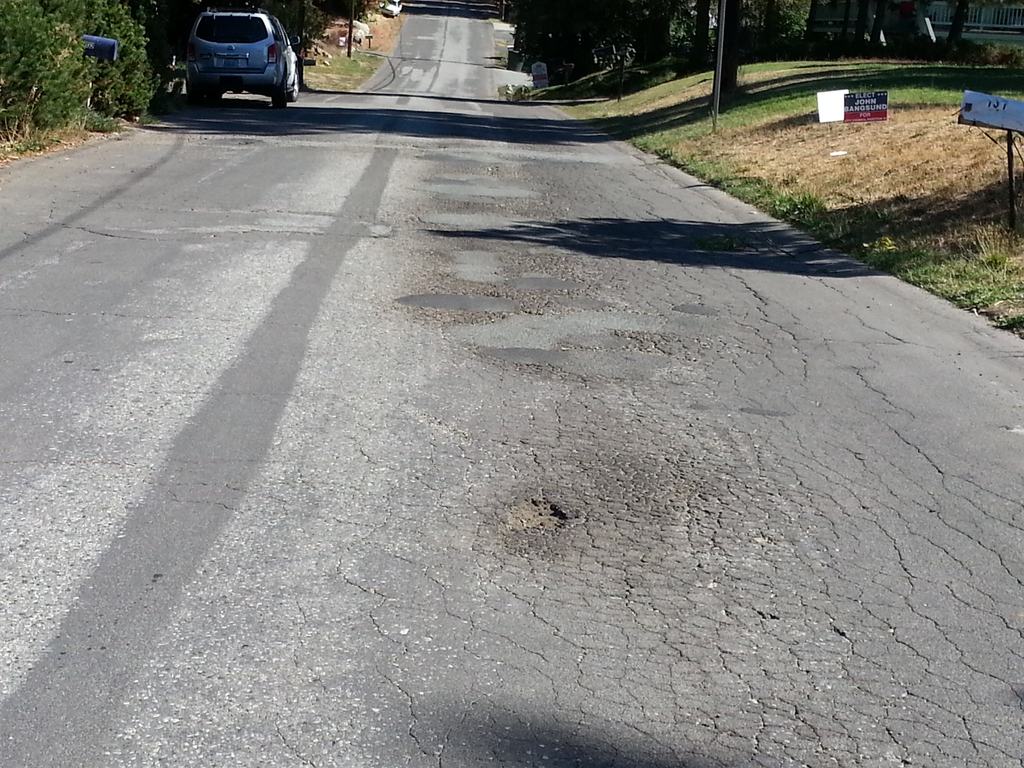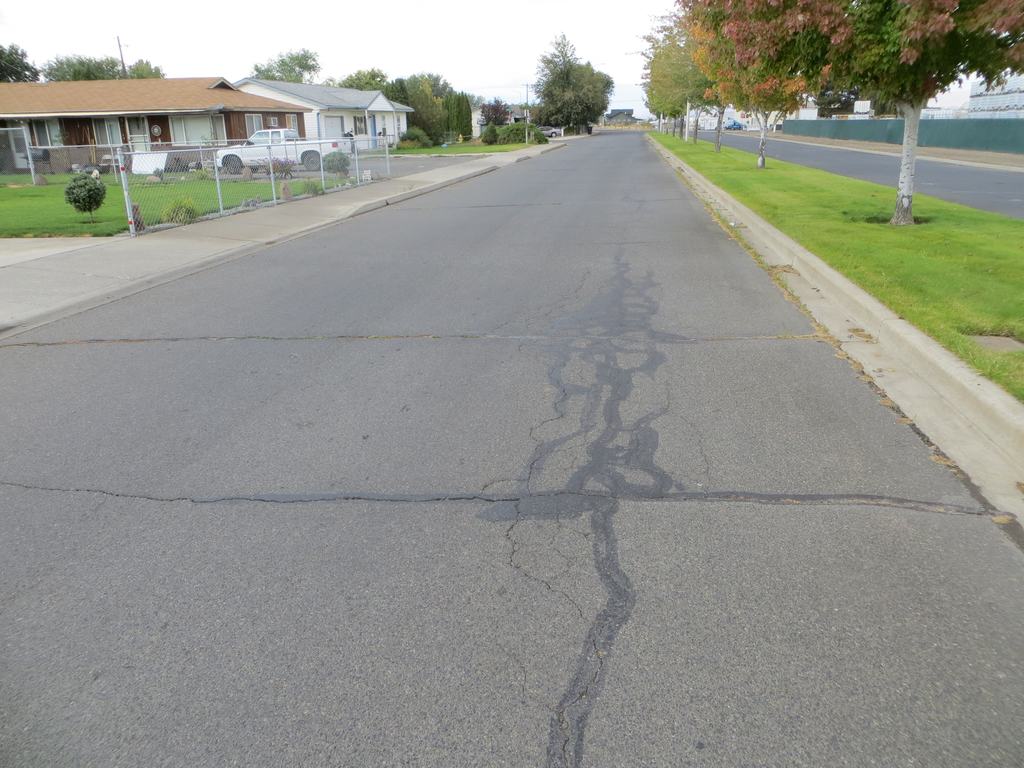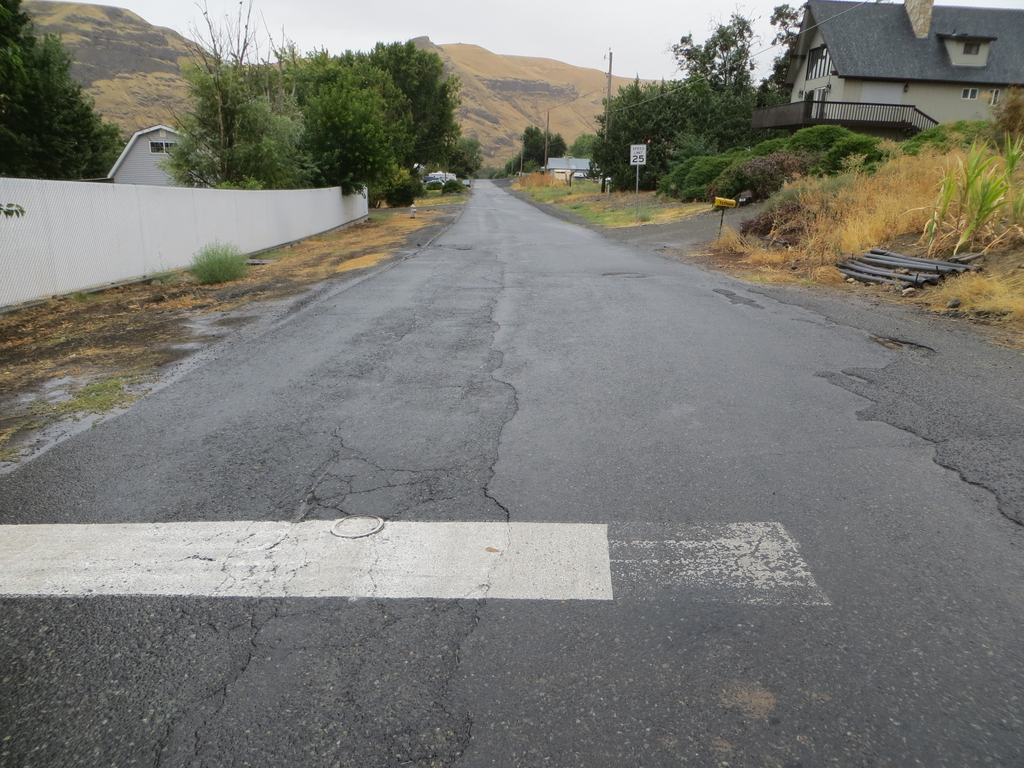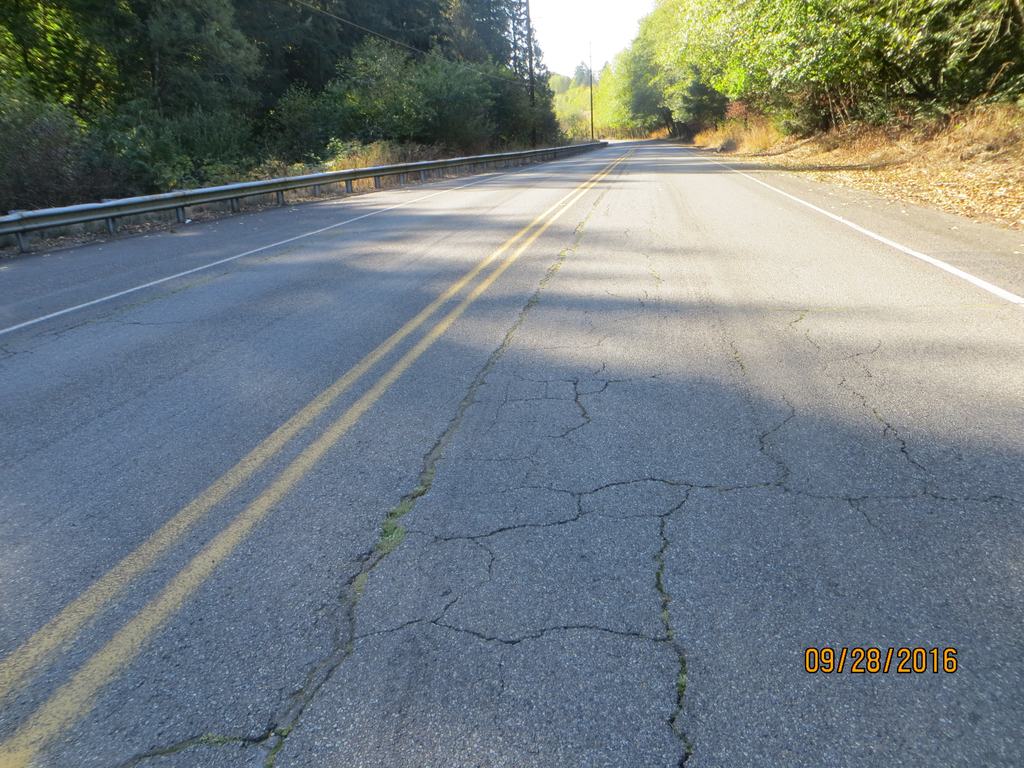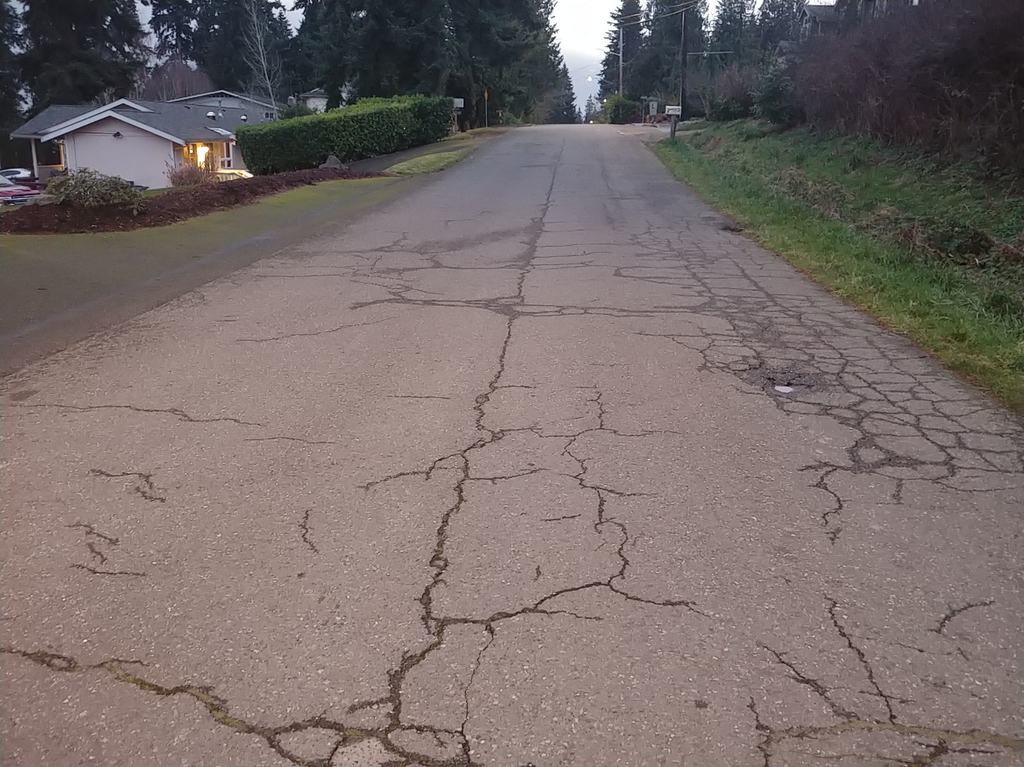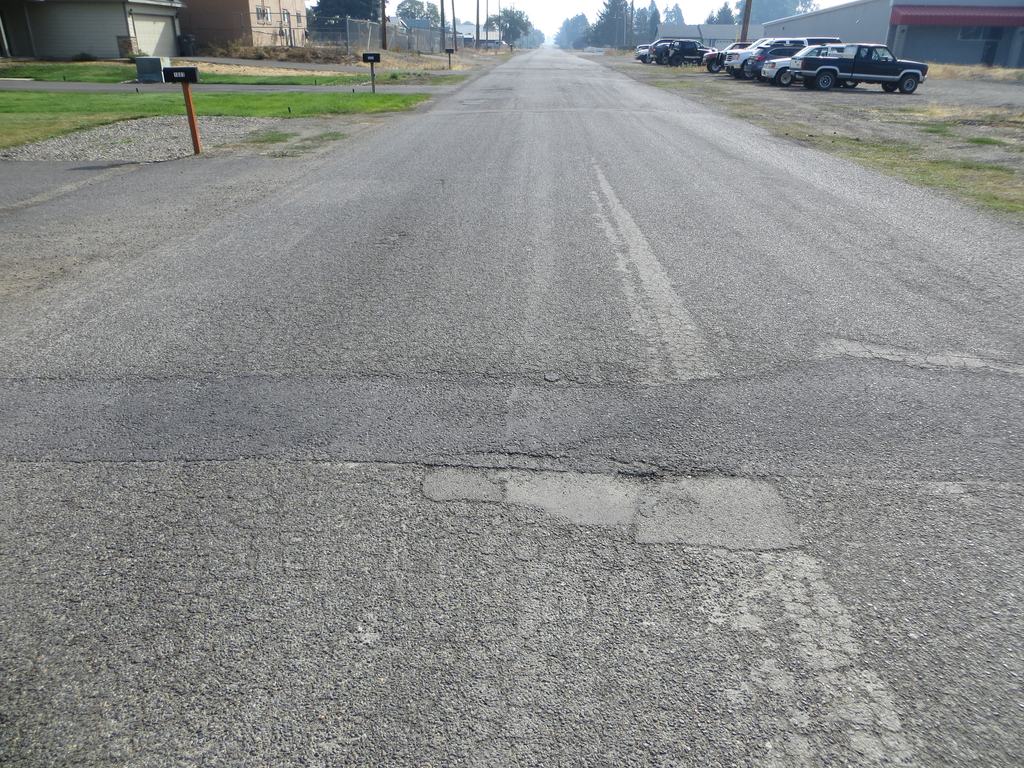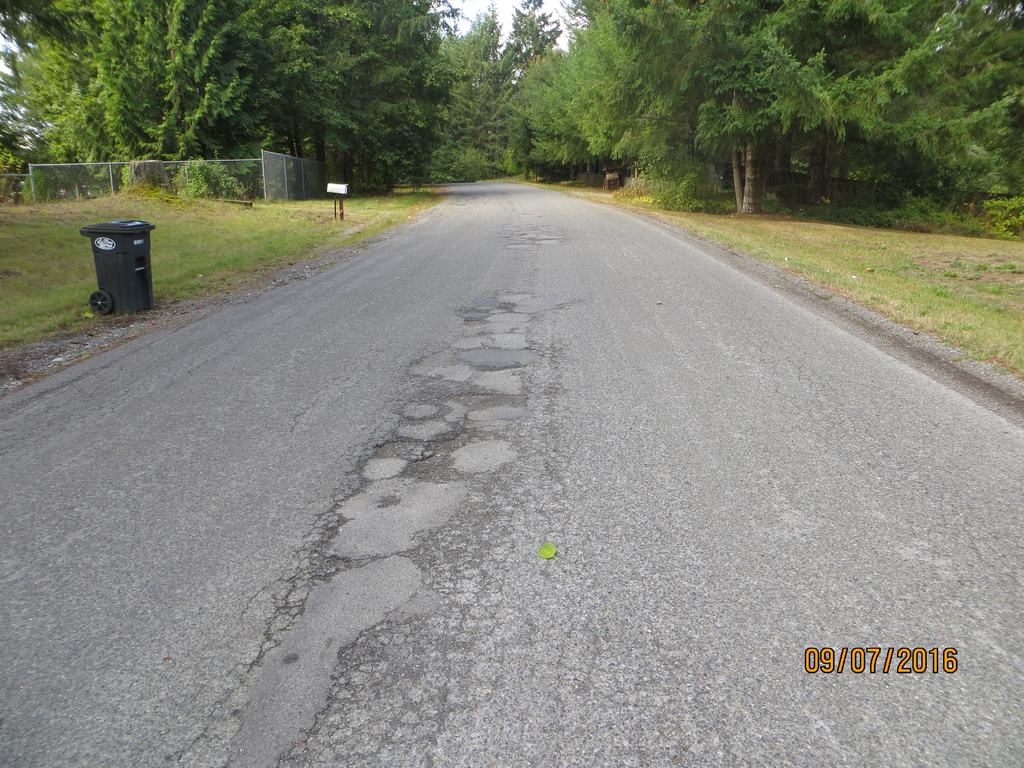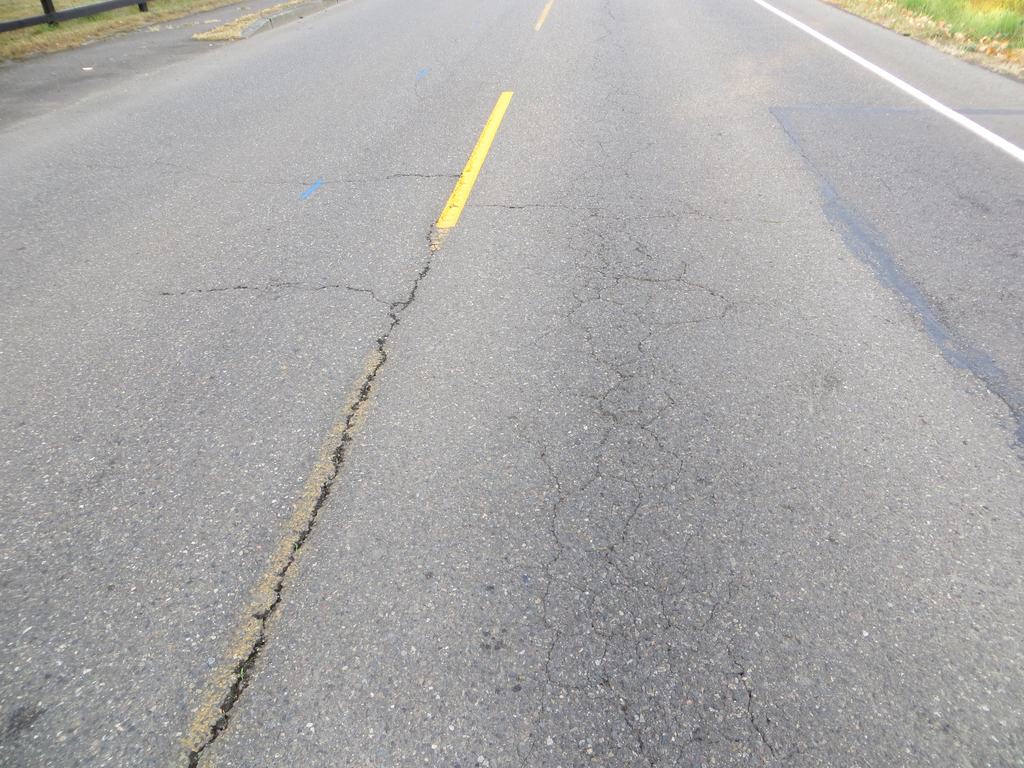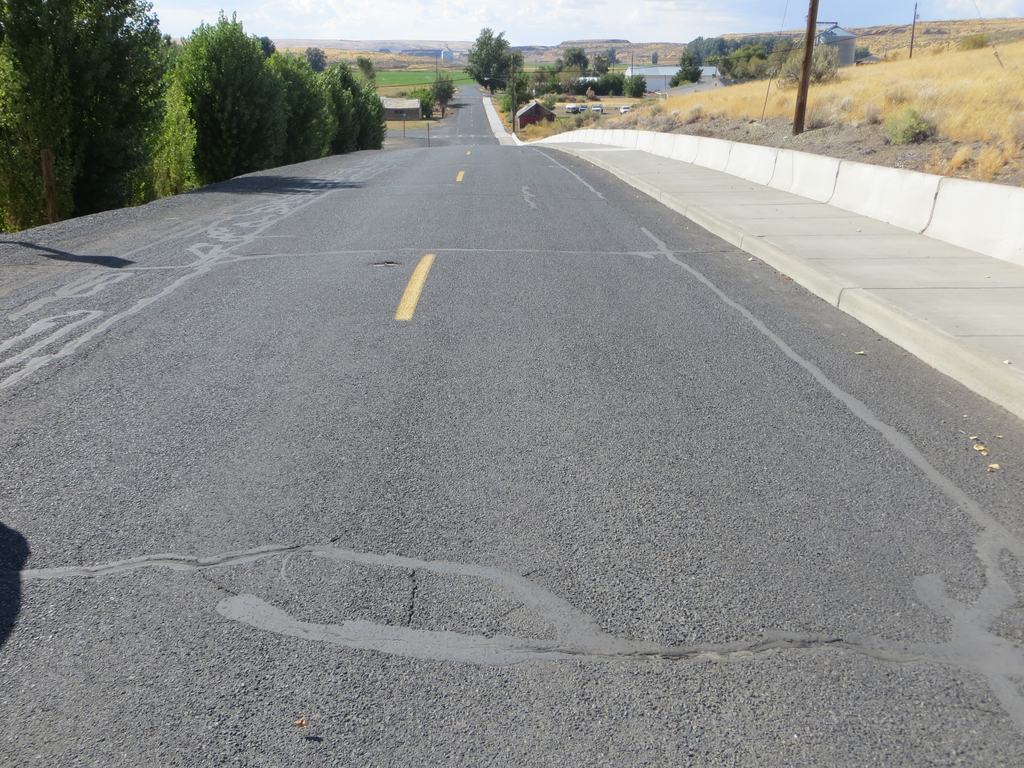
Rate each distress by the scales below, not by your agency's own scale; they may differ. Judge raveling and bleeding by the area affected. Measure ruts from the deepest point to the normal surface, not to the raised edge. Print this page before a survey.
Before you survey: leave isolated areas of base failure (severe alligator cracking or base rutting) out of the survey if they cover less than 20% of the pavement, and repair them separately by digging out to the depth of the failing base. If they cover more than 20%, FDR or reconstruction of the whole segment is likely cheaper.
What each score means, and how the scores decide, is in How RxPave decides.
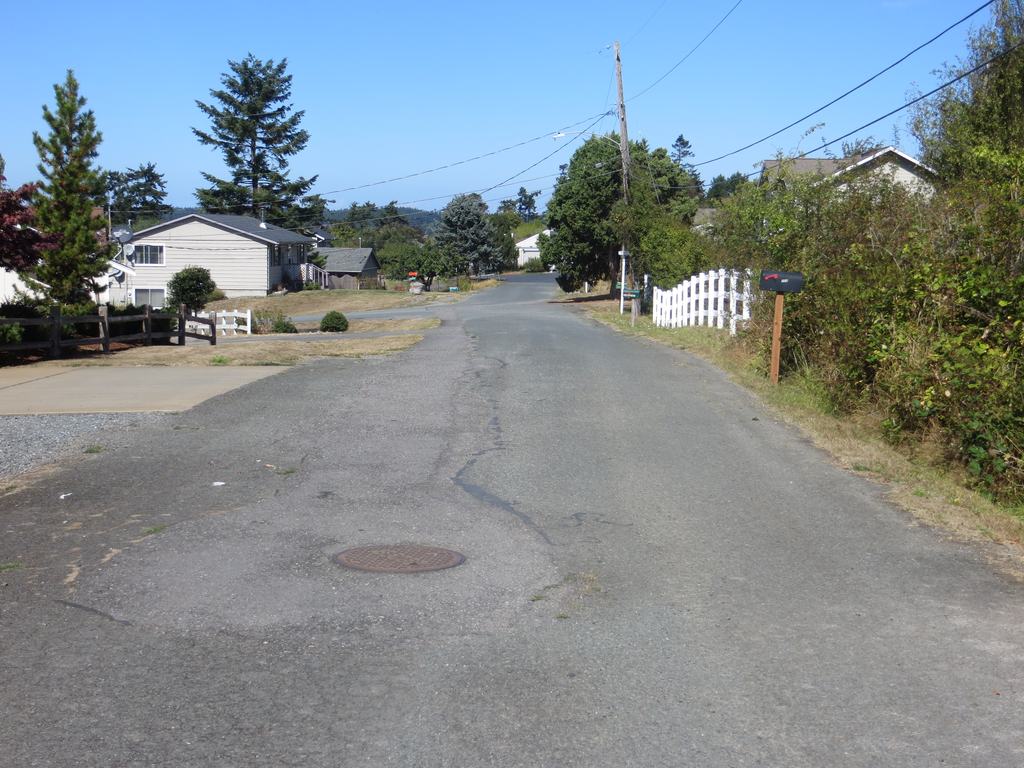
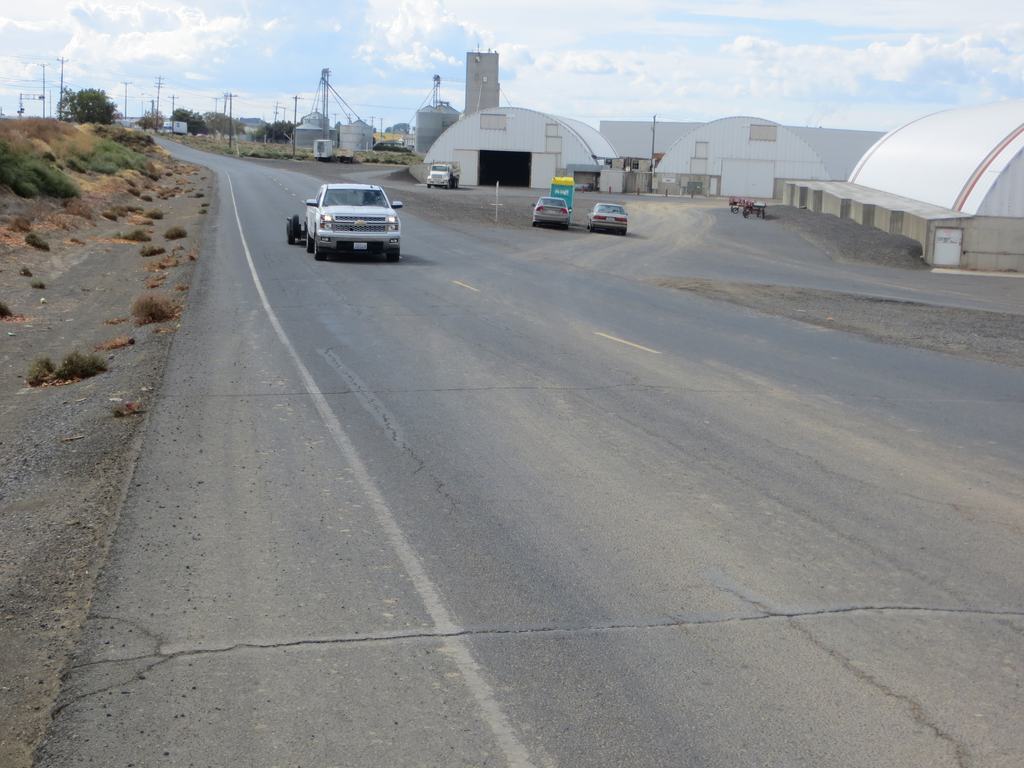
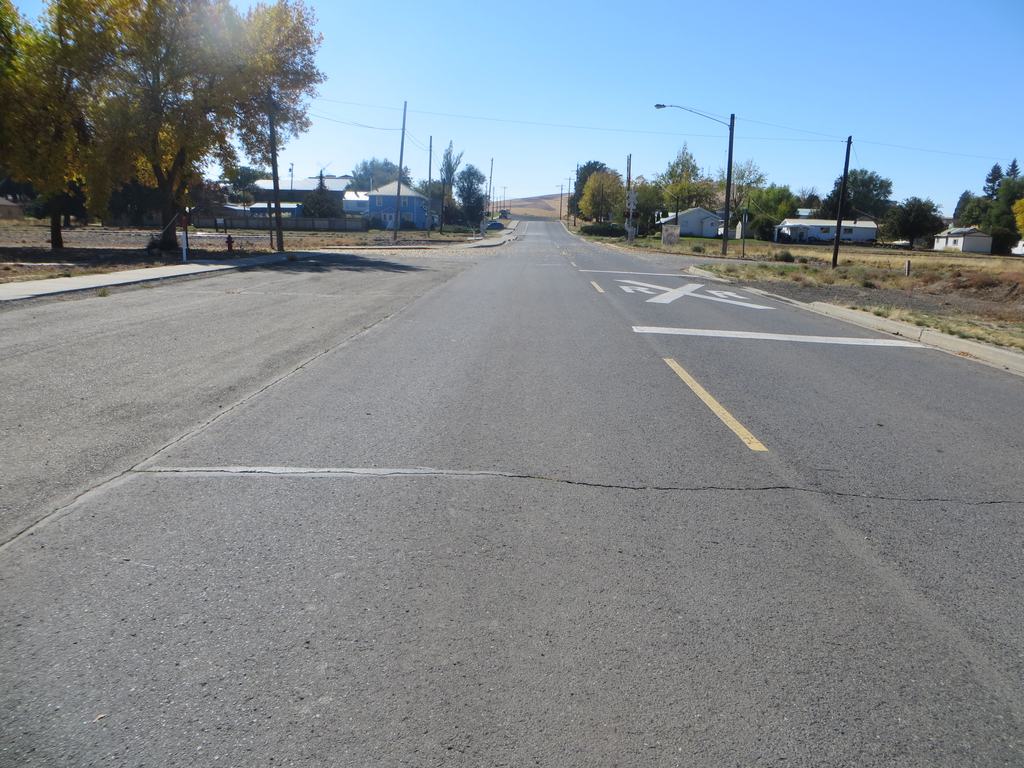
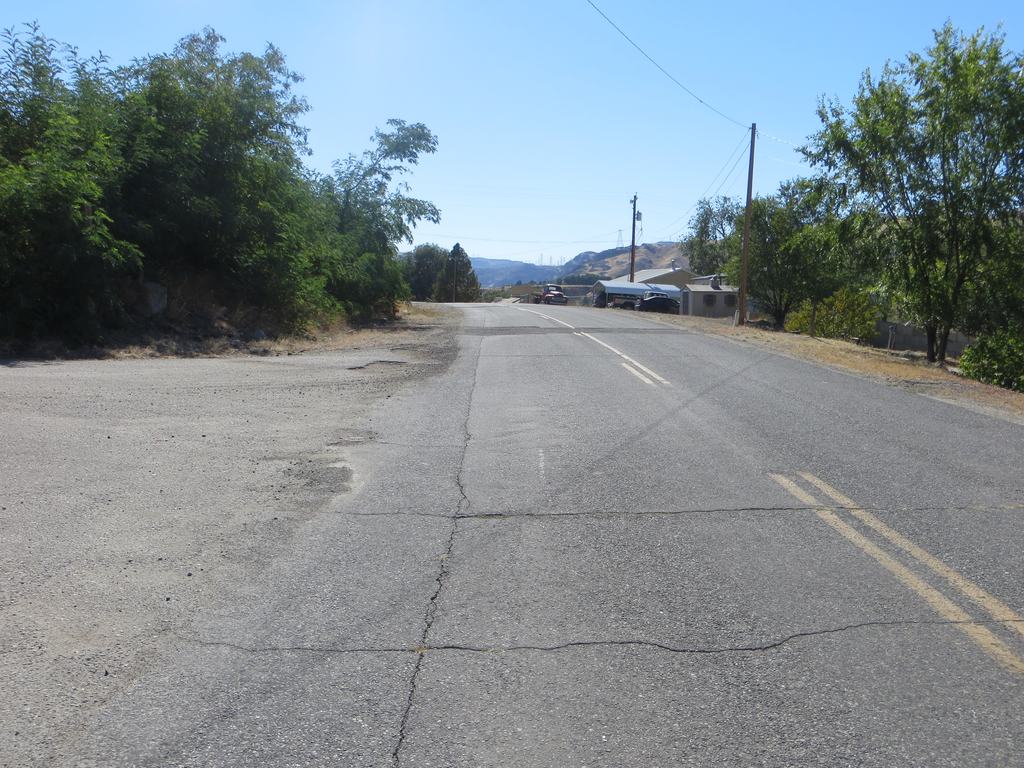
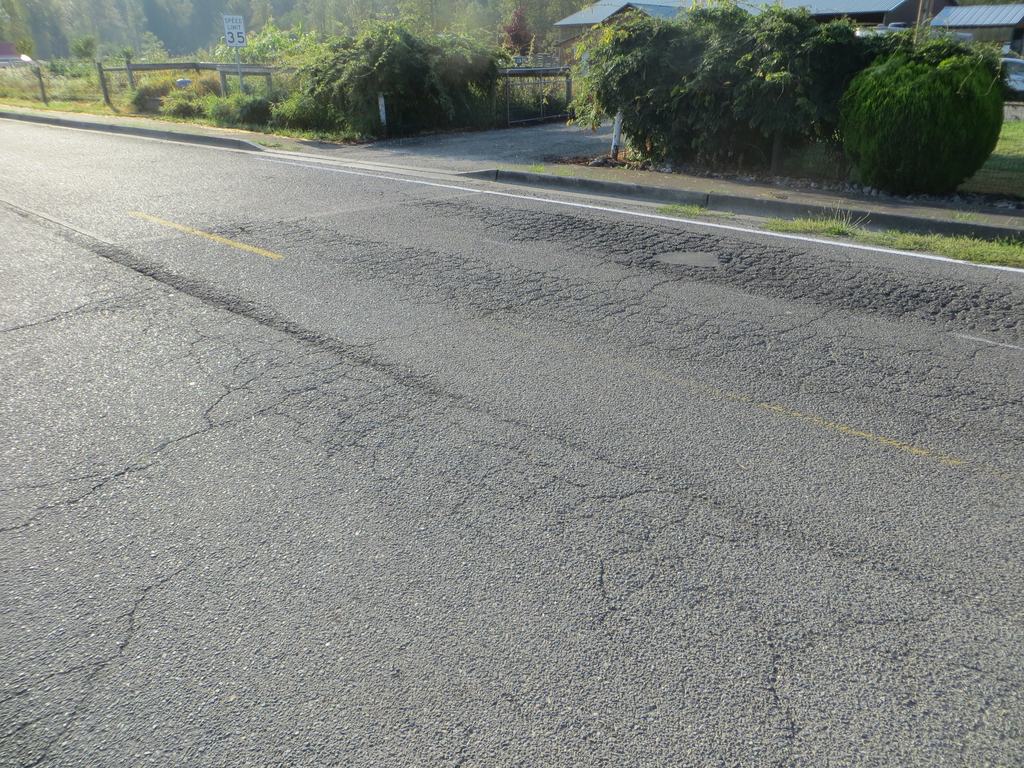
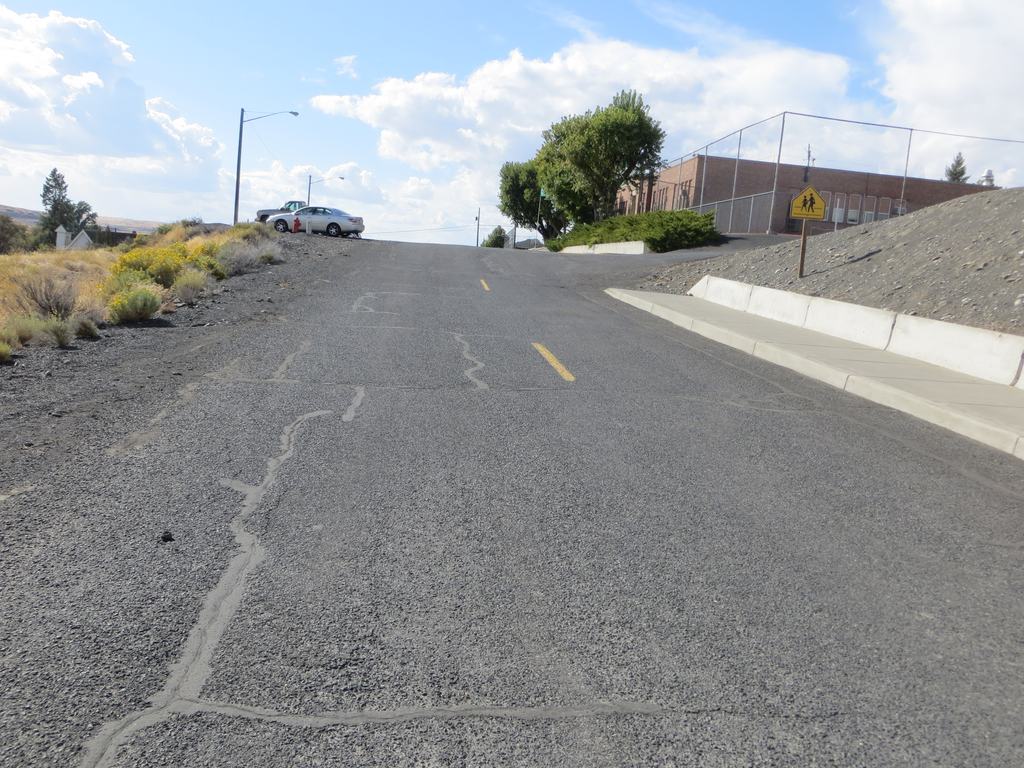
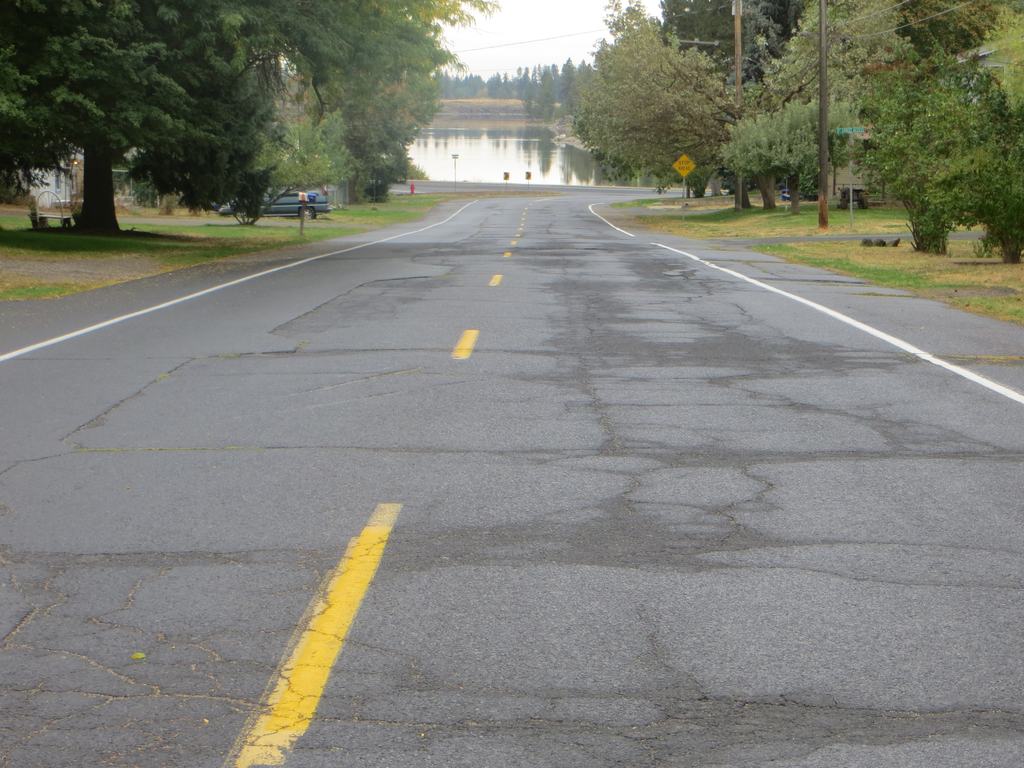
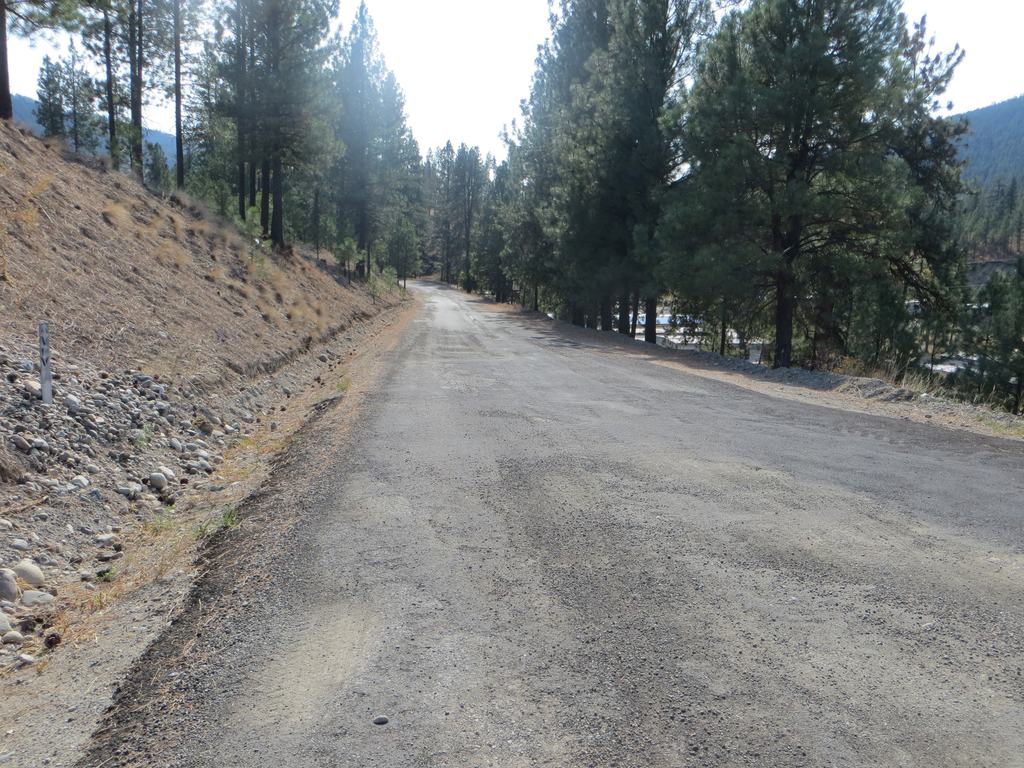
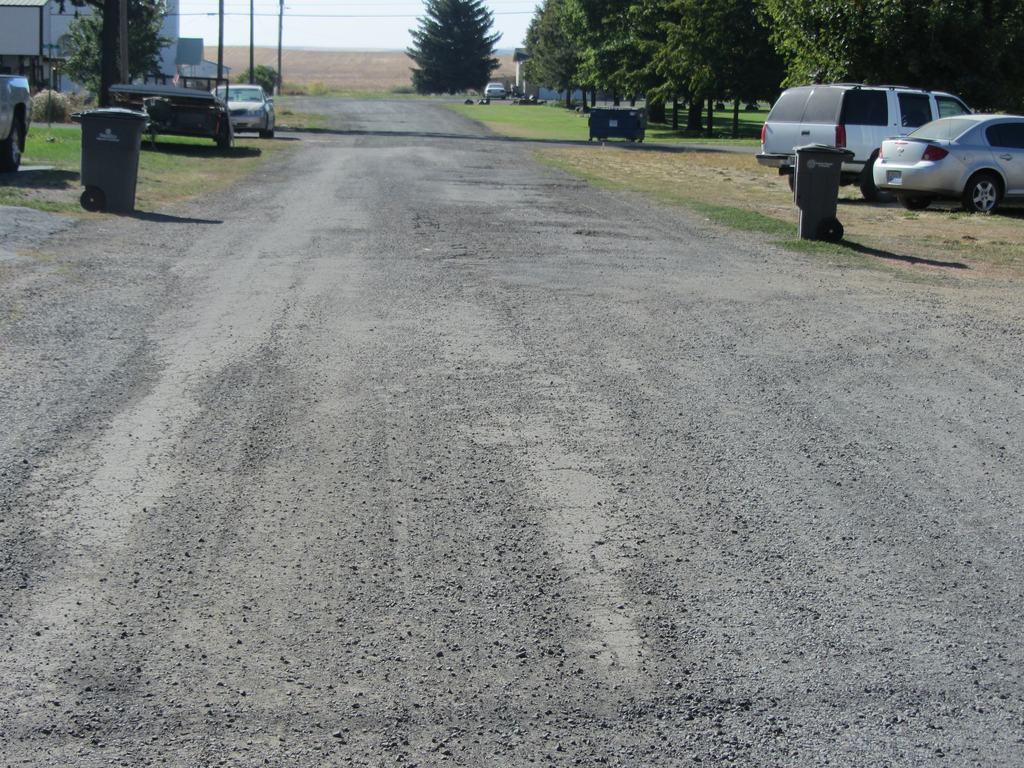
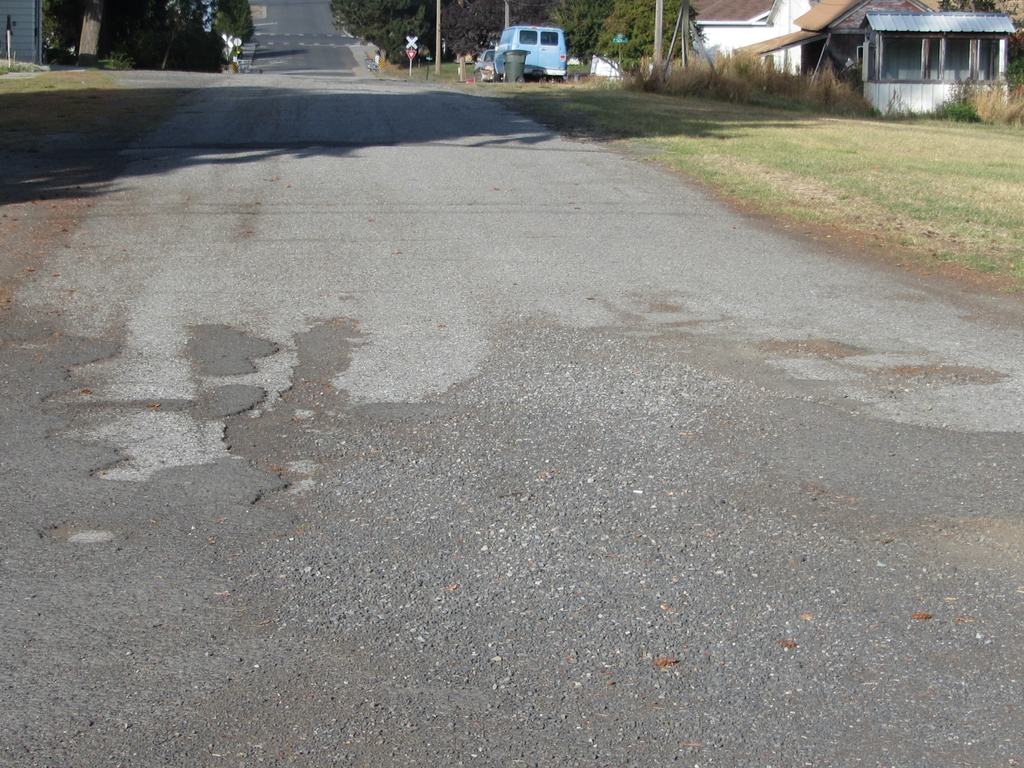
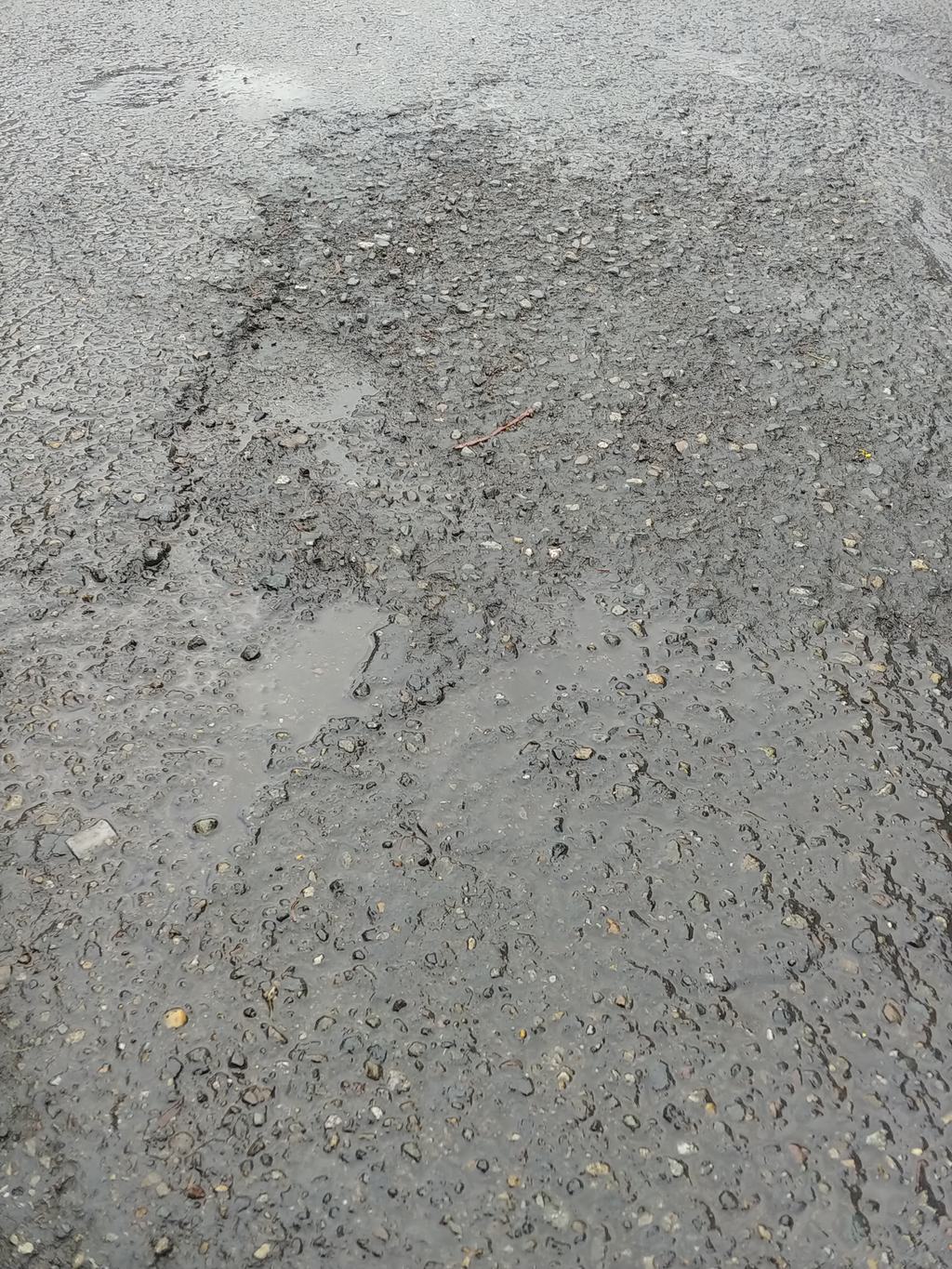
Raveling
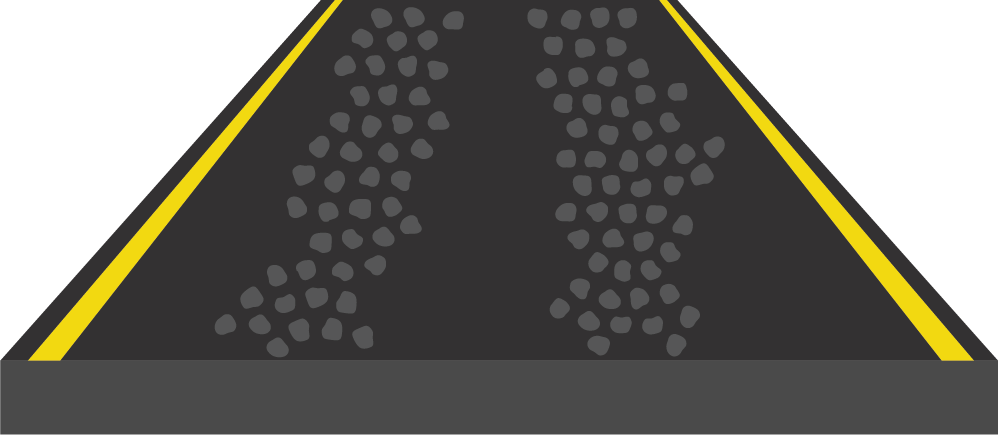
Coarse aggregate coming loose from the surface, usually worn out by traffic.
Severity
| Distress | Low | Medium | High |
|---|---|---|---|
| Raveling | Patchy areas, usually in wheelpaths | Majority of wheelpaths affected | Most of the lane affected |
How it scores (✕ rules the treatment out)
| Treatment | L · M · H |
|---|---|
| Chip / cape seal | 2 · 2 · 1 |
| Thin HMA overlay | 1 · 1 · 2 |
| Full depth reclamation | ✕ · ✕ · ✕ |
| Full reconstruction | ✕ · ✕ · ✕ |
How to rate it in RxPave
- Raveling isn't a structural failure. If it's the only distress, resurfacing is usually the answer.
- Judge severity by the area affected, not by how much aggregate is lost.
Why it matters. Loose stones, a rougher ride, water ponding in raveled spots, and less skid resistance.
Likely causes. A weak bond between the aggregate and the binder (too little binder, a poor mix, poor compaction, segregation or stripping), or traffic tearing the aggregate out (studded tires, snowplow blades, tracked vehicles).
How it progresses. The bond between aggregate and binder fails in one of four ways: the binder oxidizes with age and stiffens, so traffic dislodges the stone; the binder bonds to dust on the aggregate instead of the aggregate itself; segregation or missing fines leave too little aggregate surface for the binder; or poor compaction leaves the mix weak and low in density.
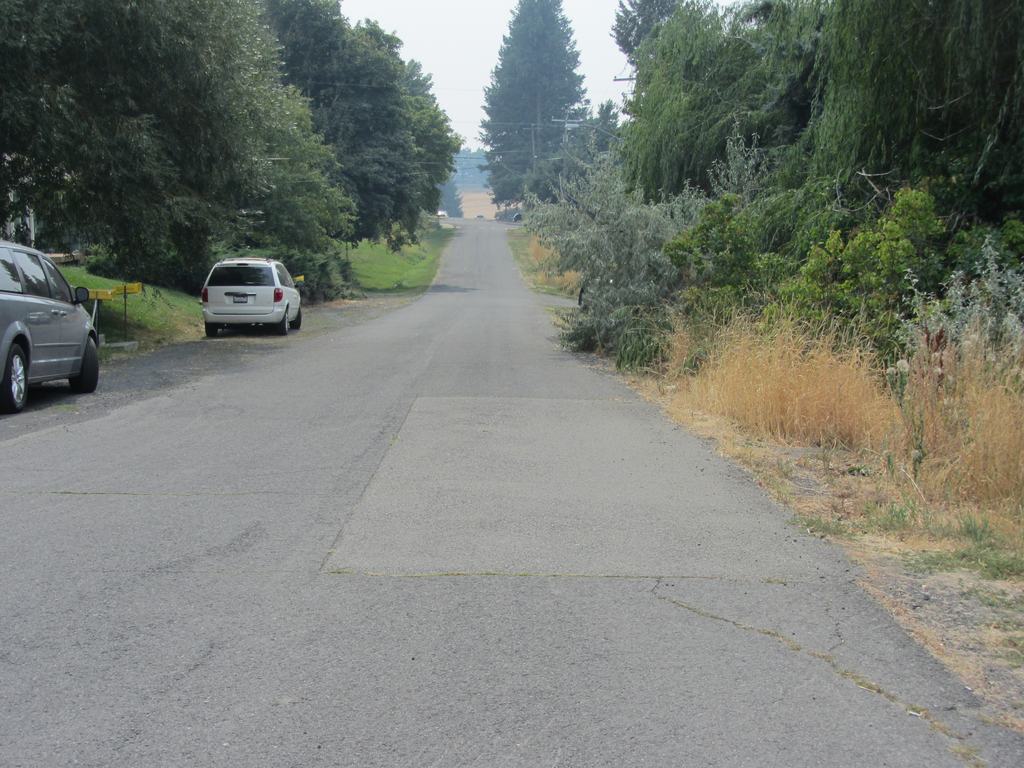
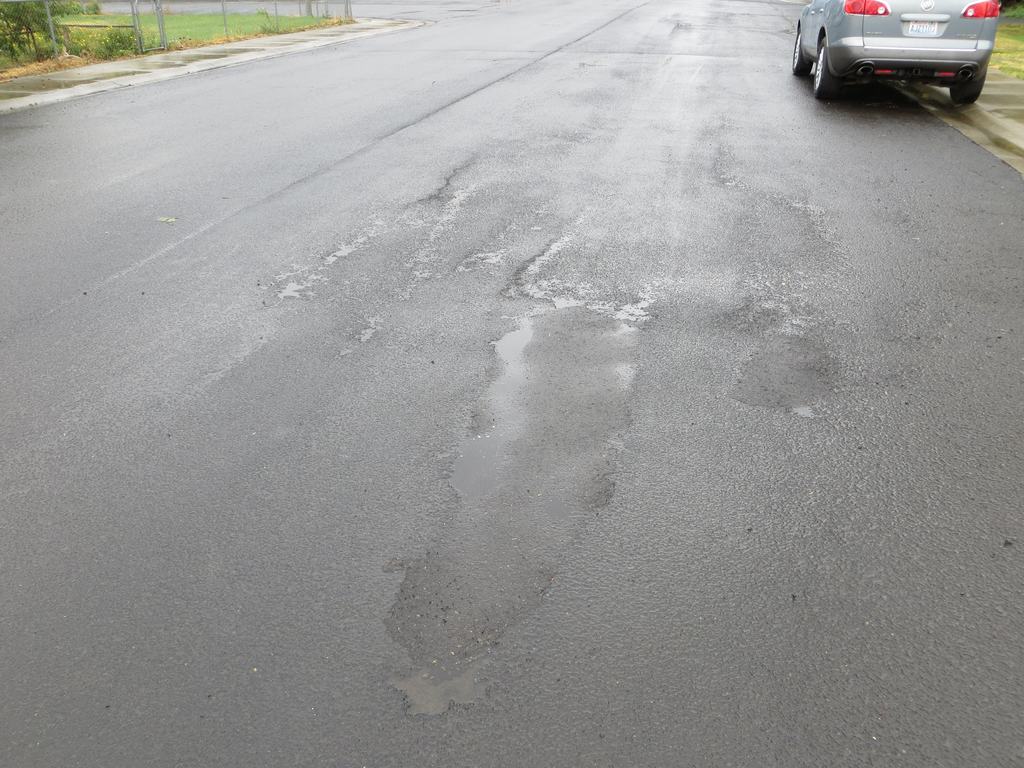
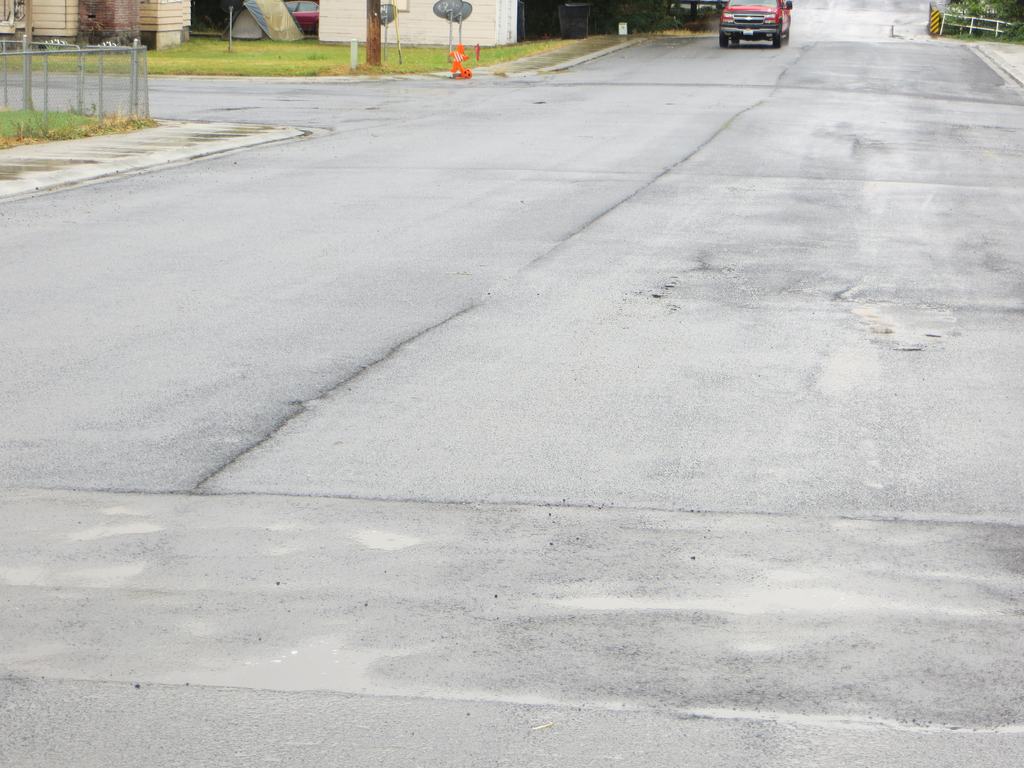
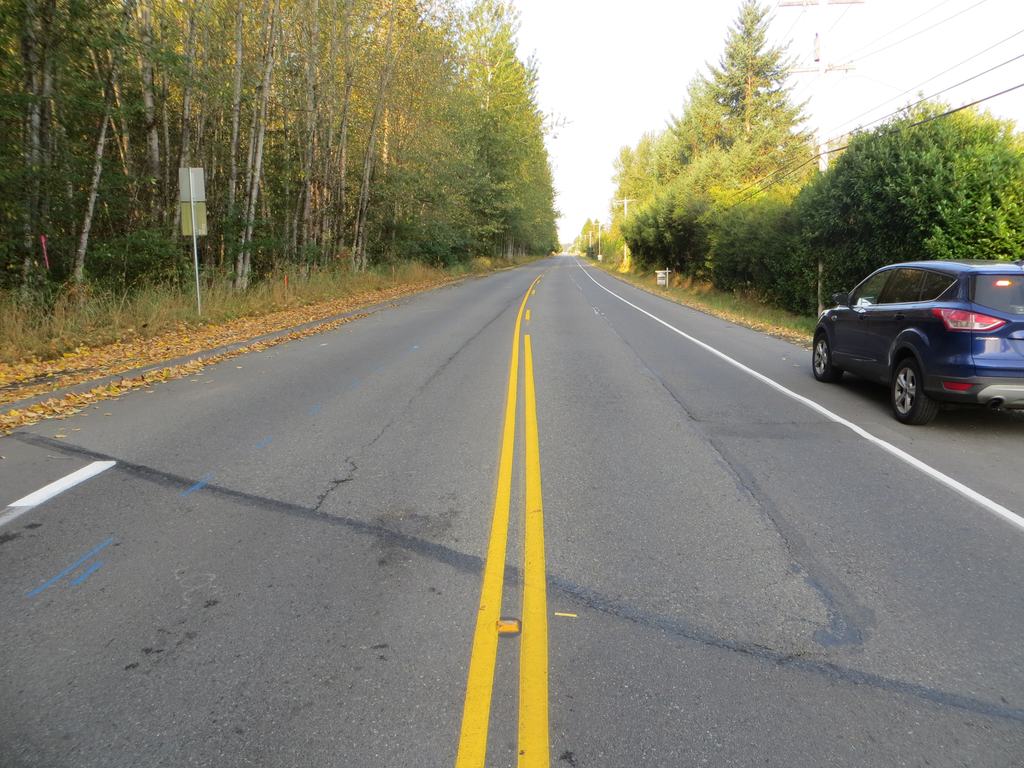
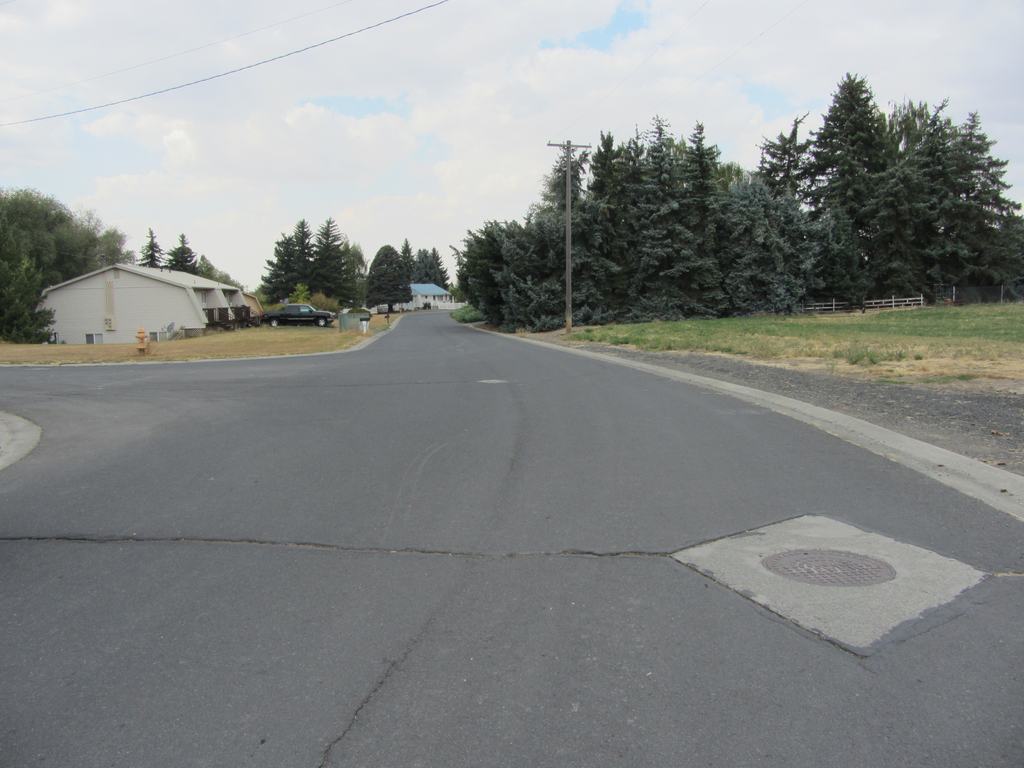
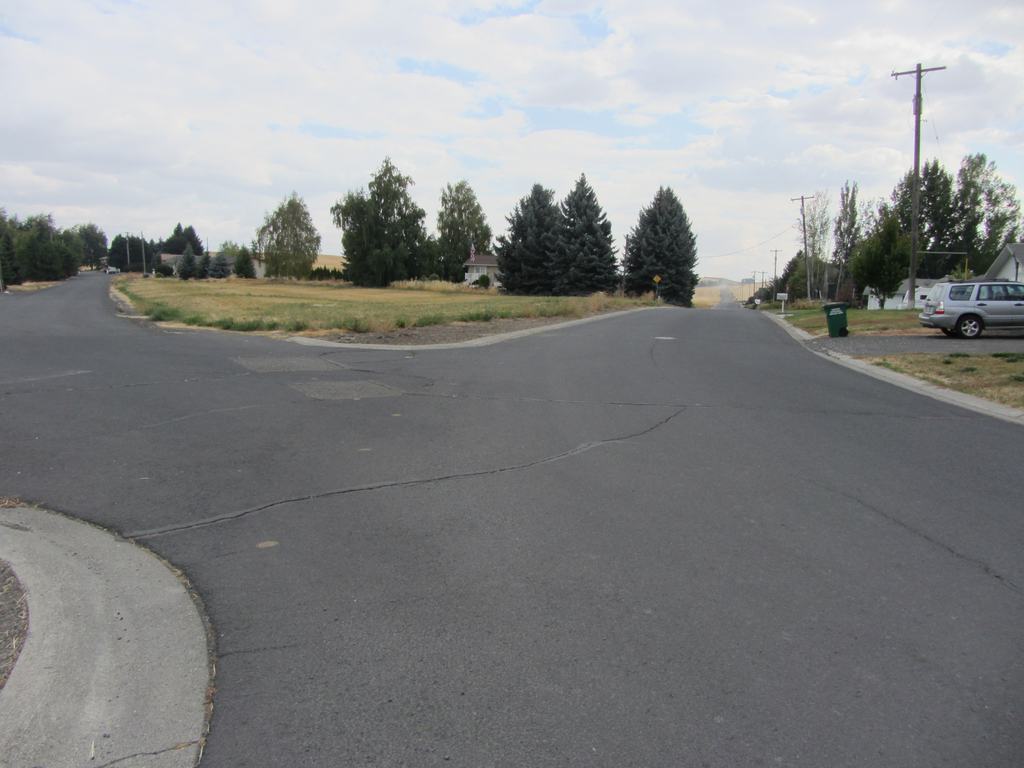
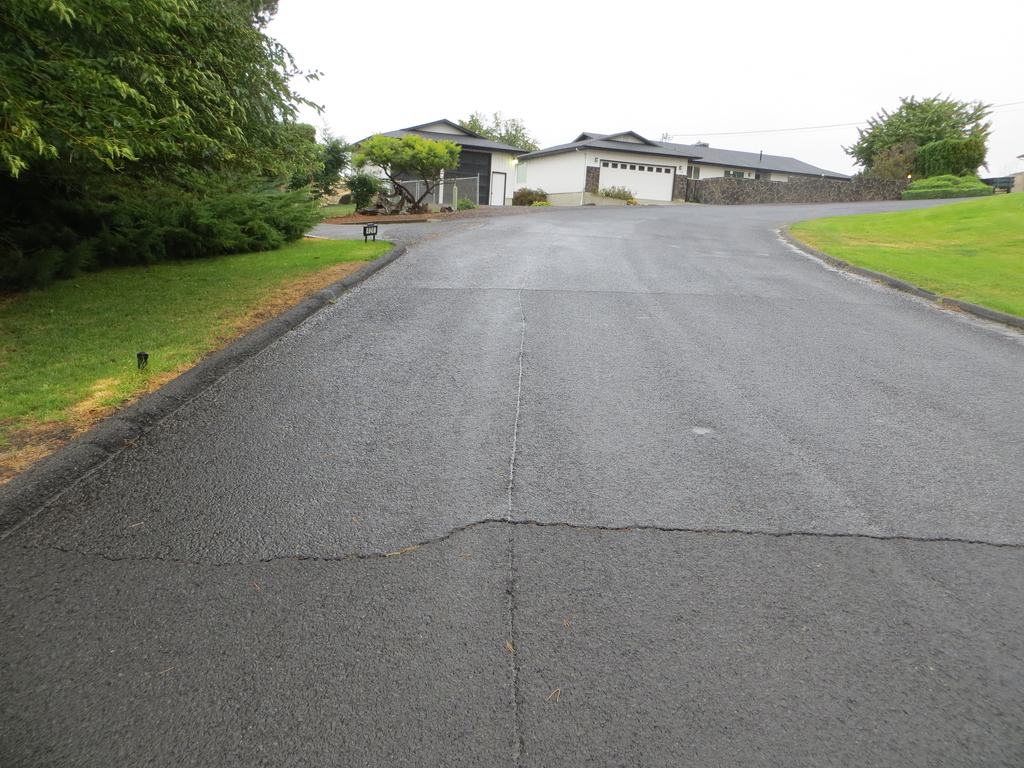
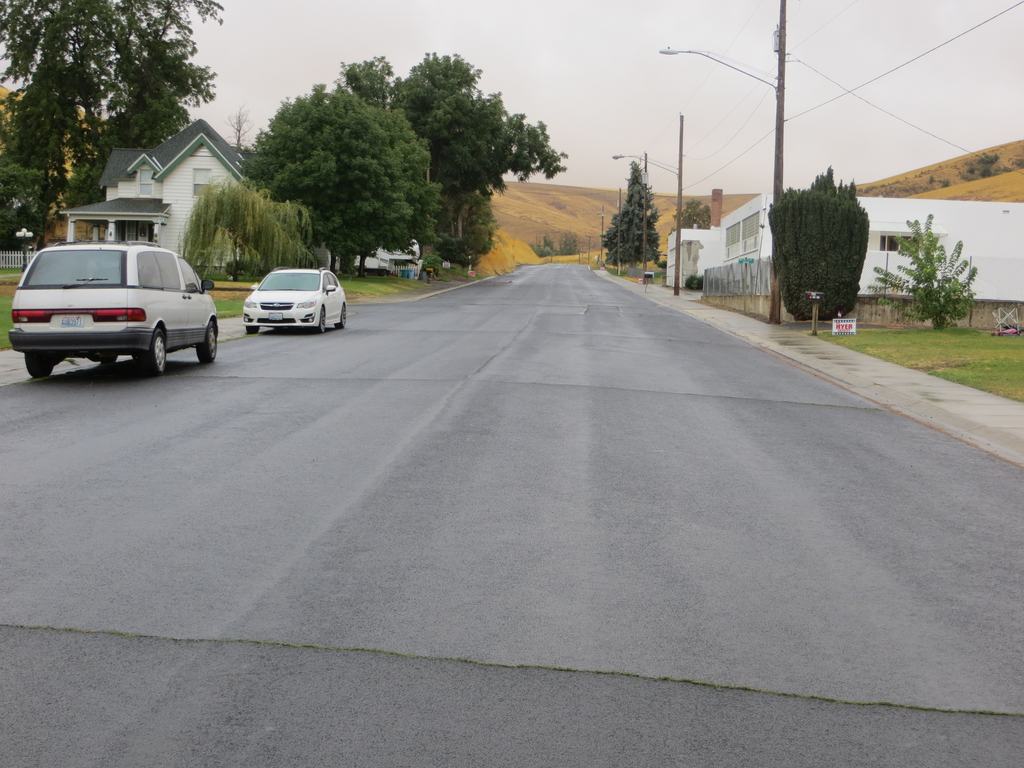
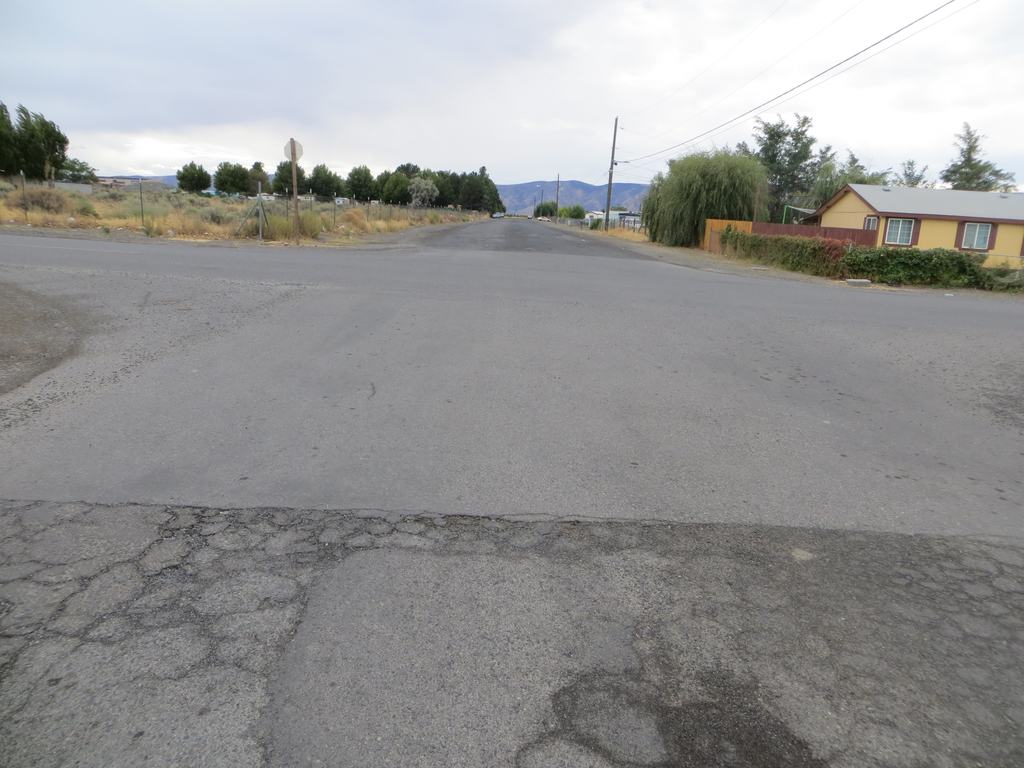
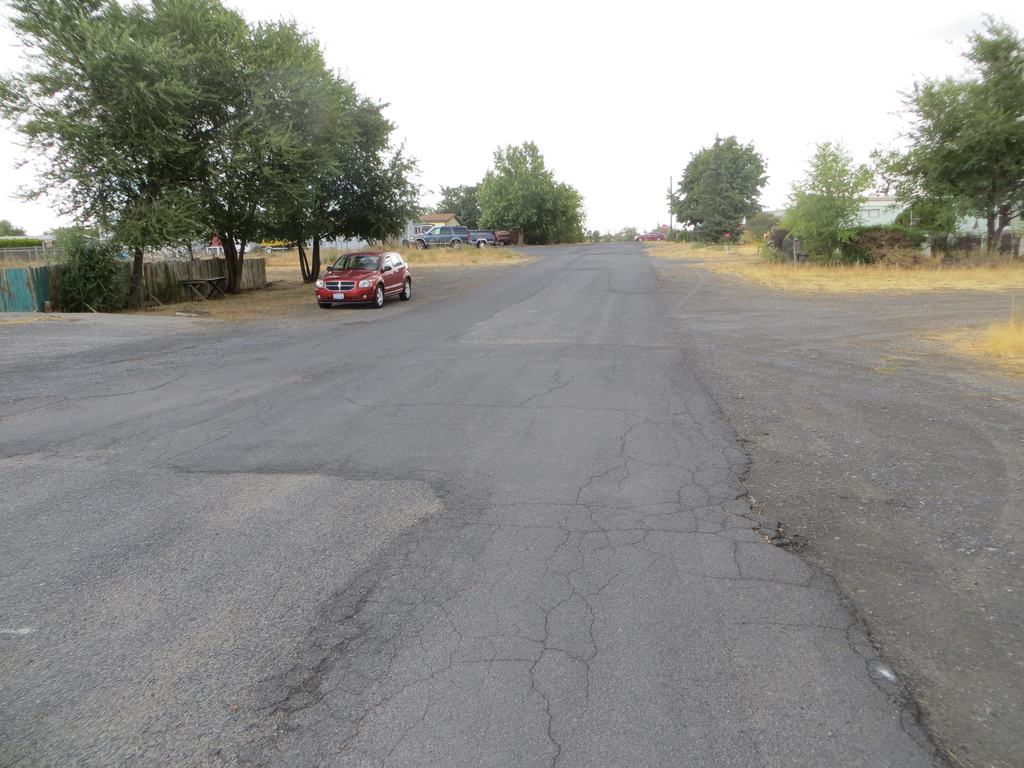
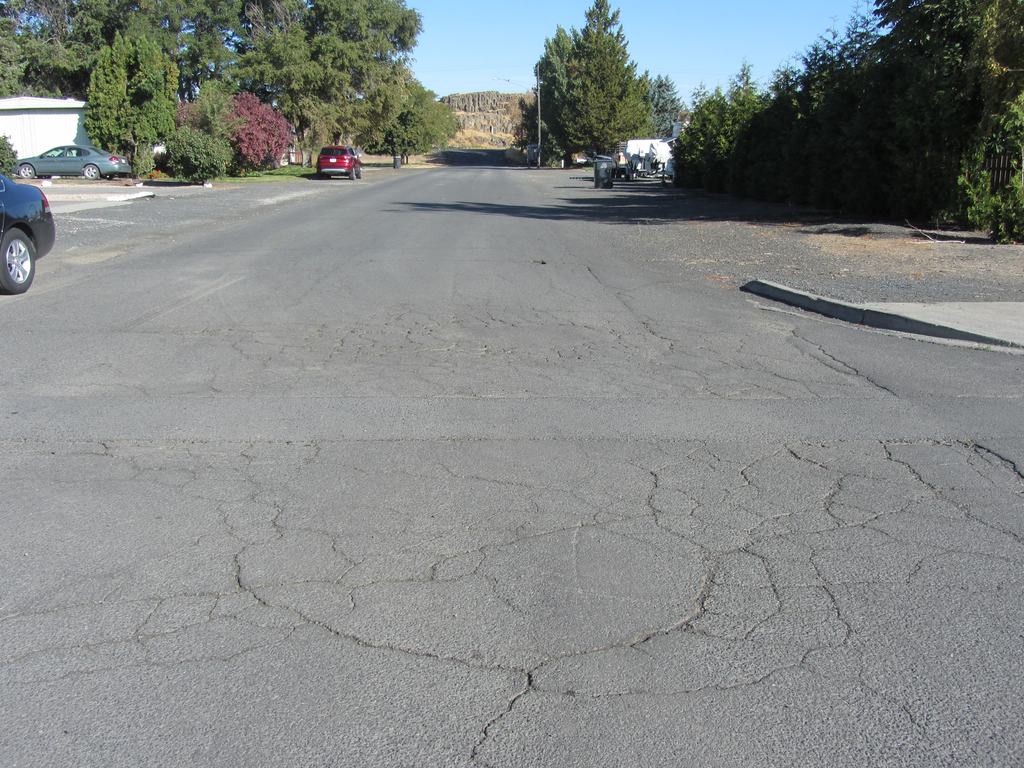
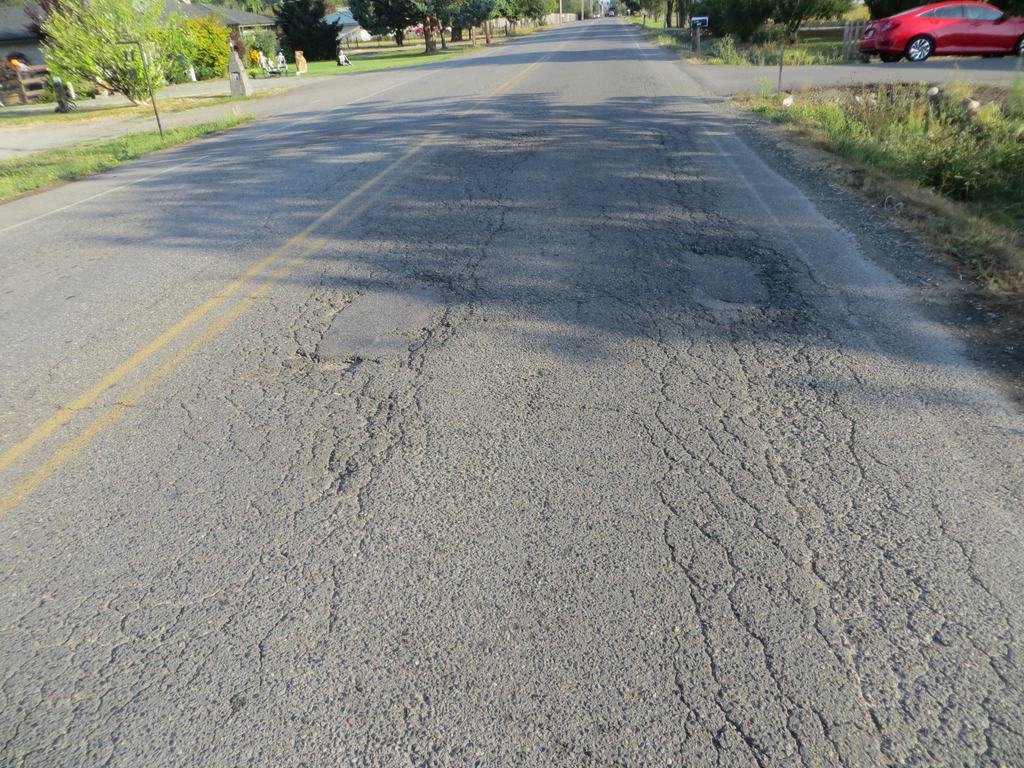
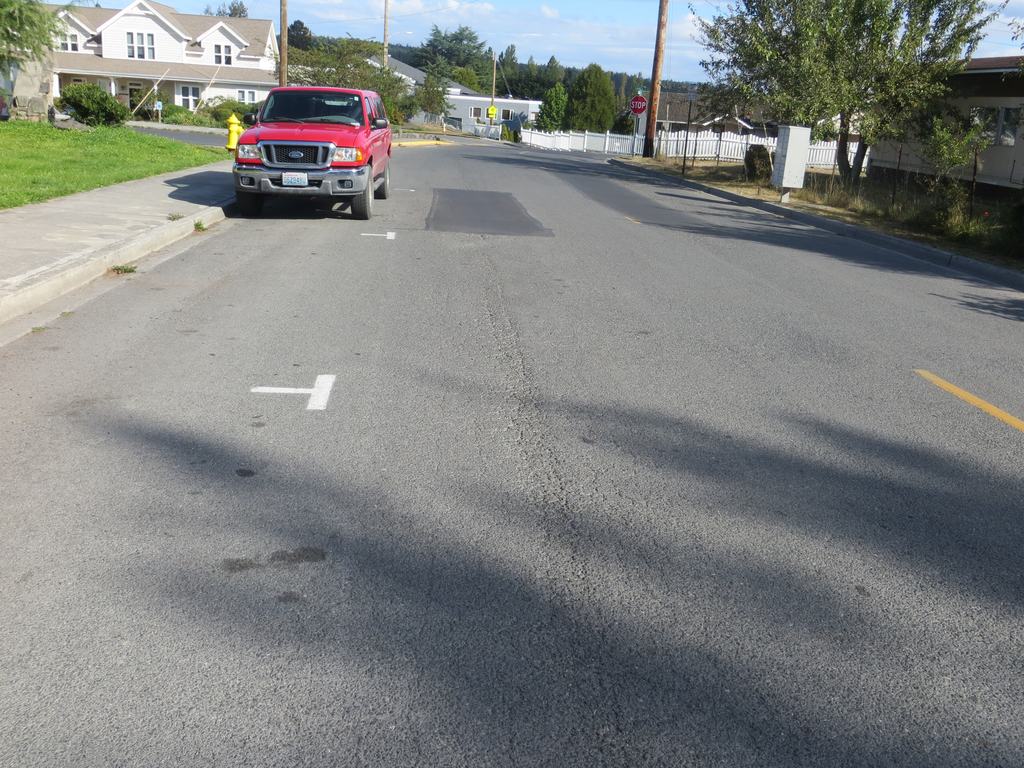
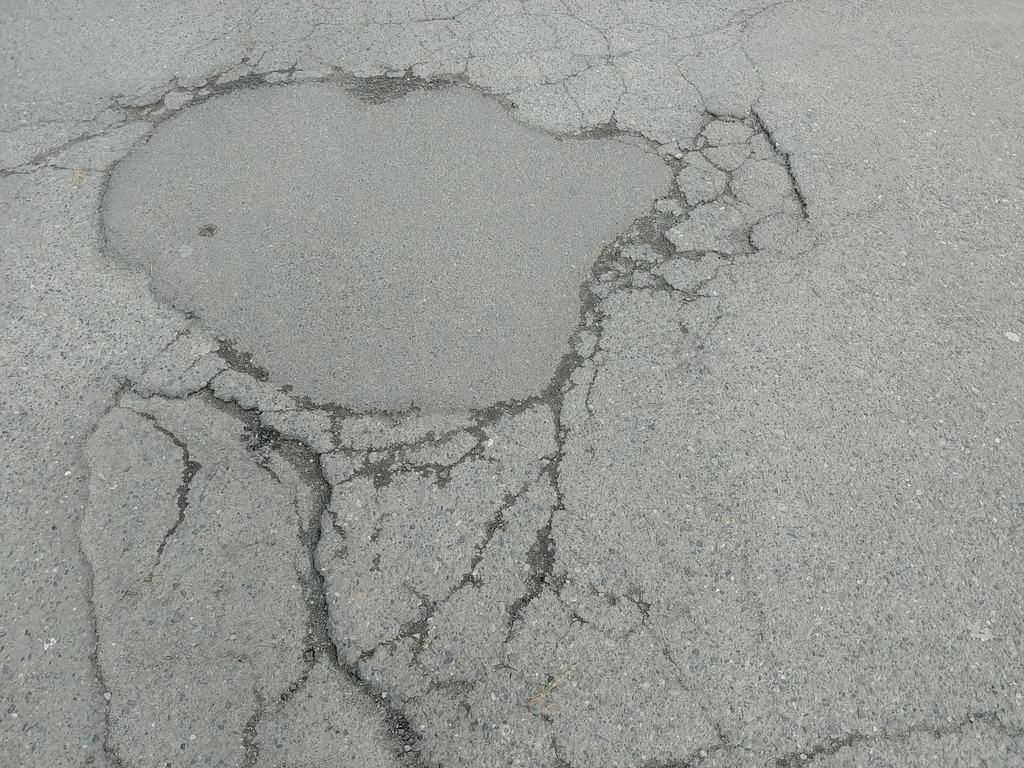
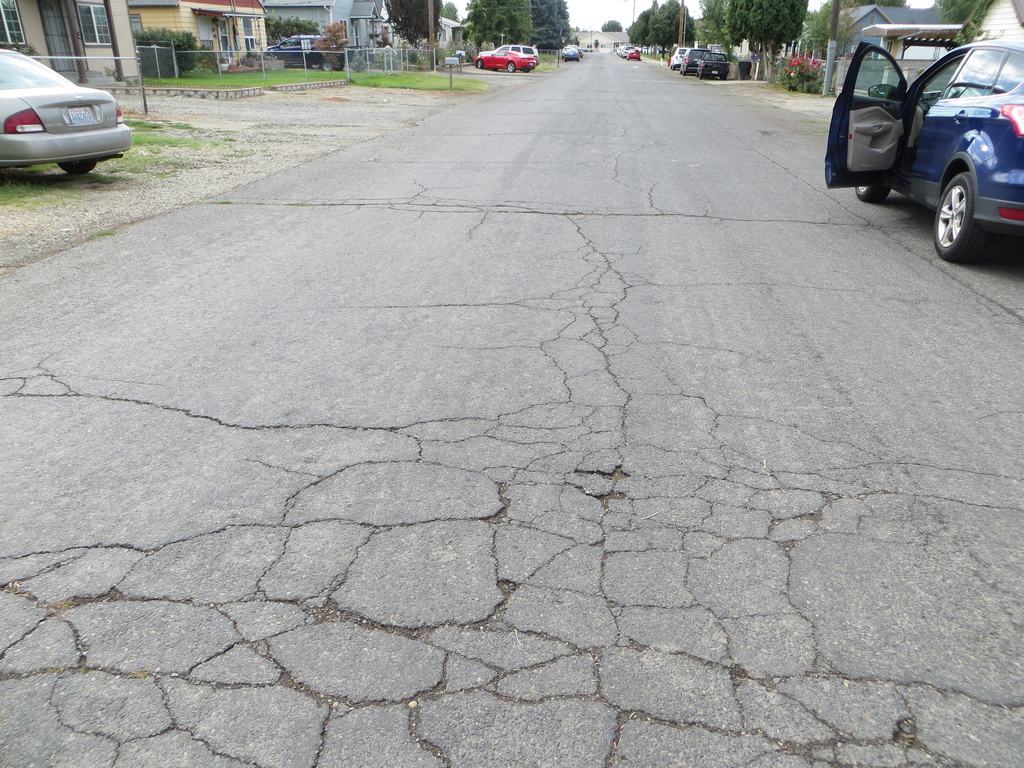
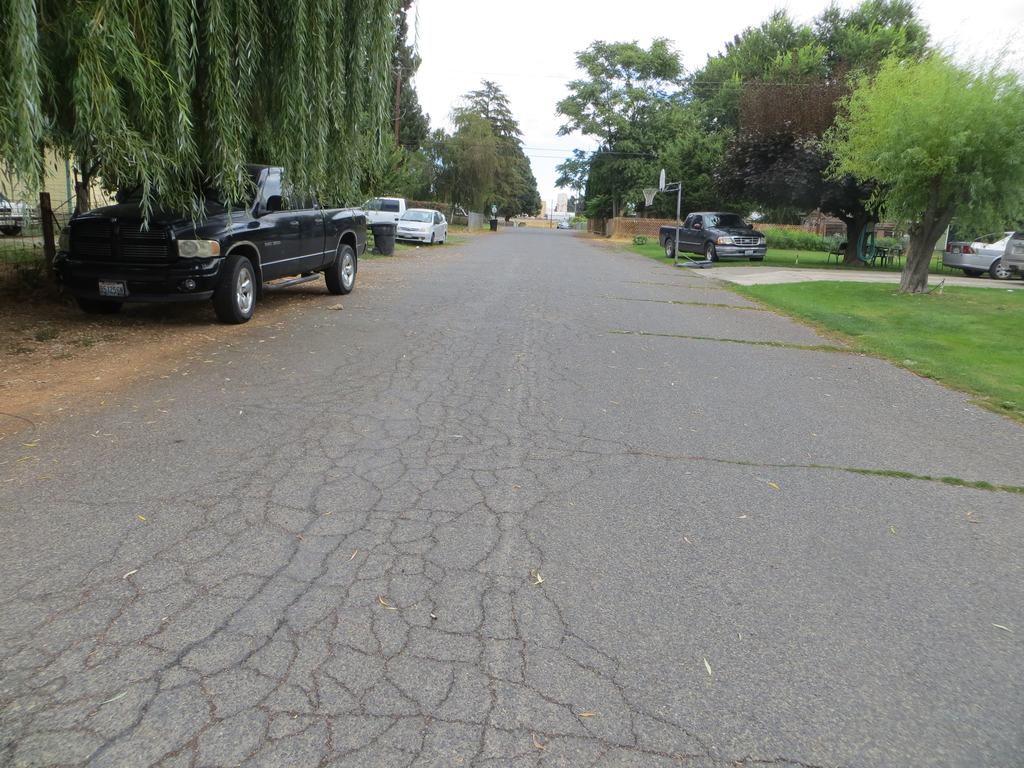
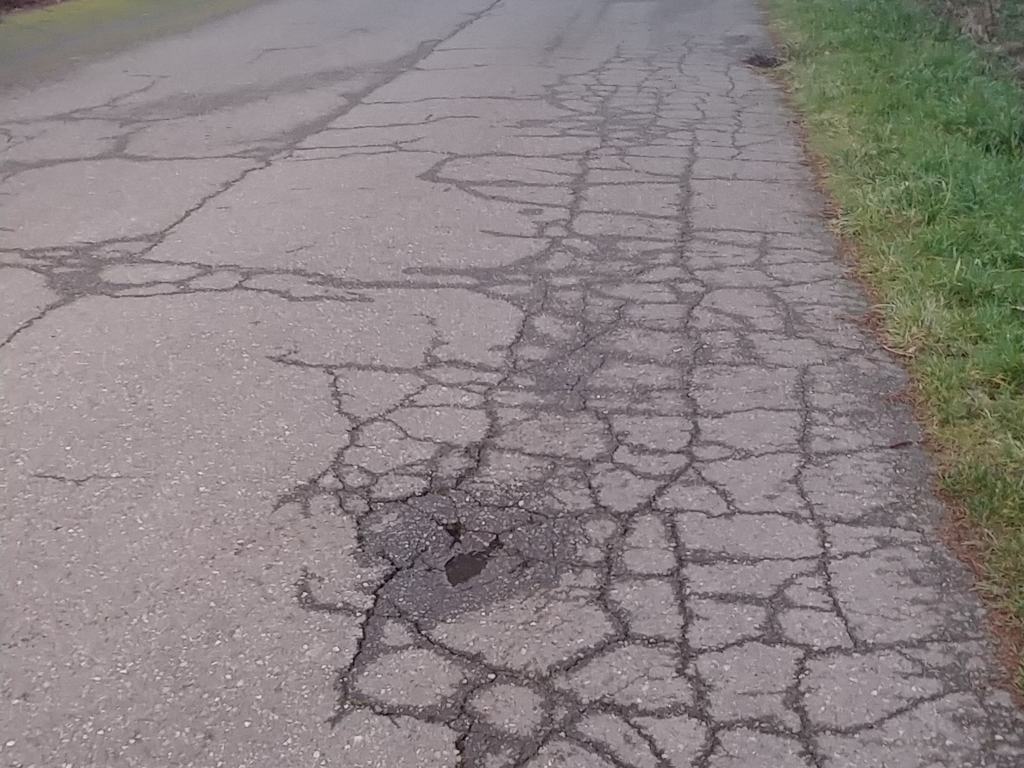
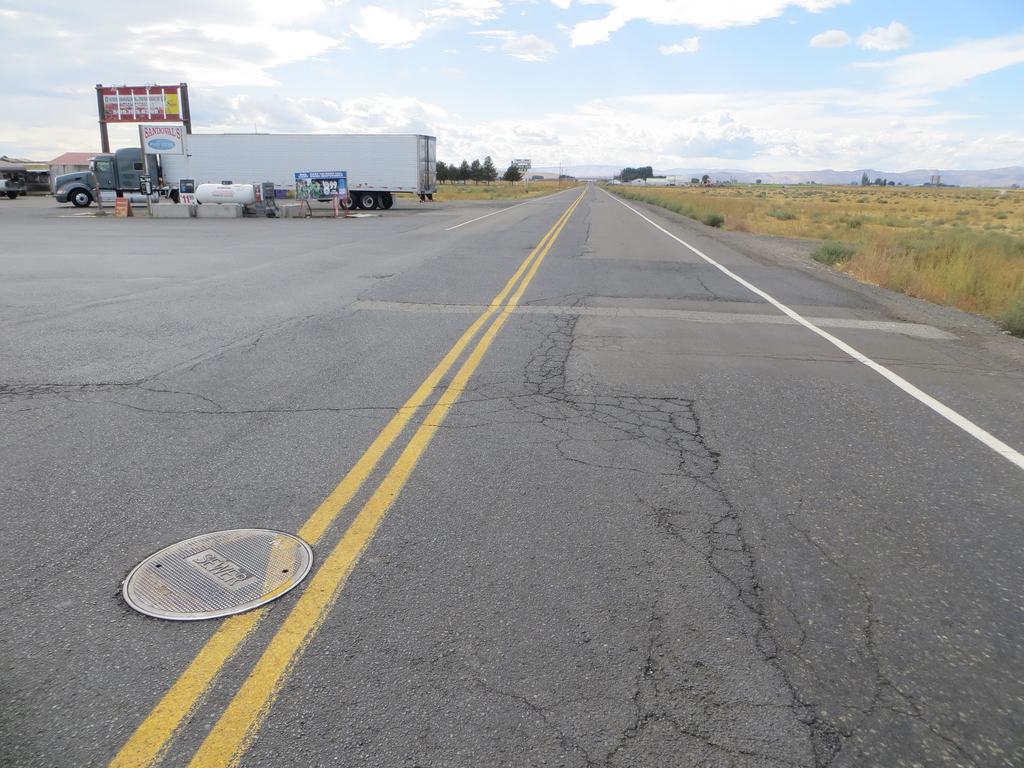
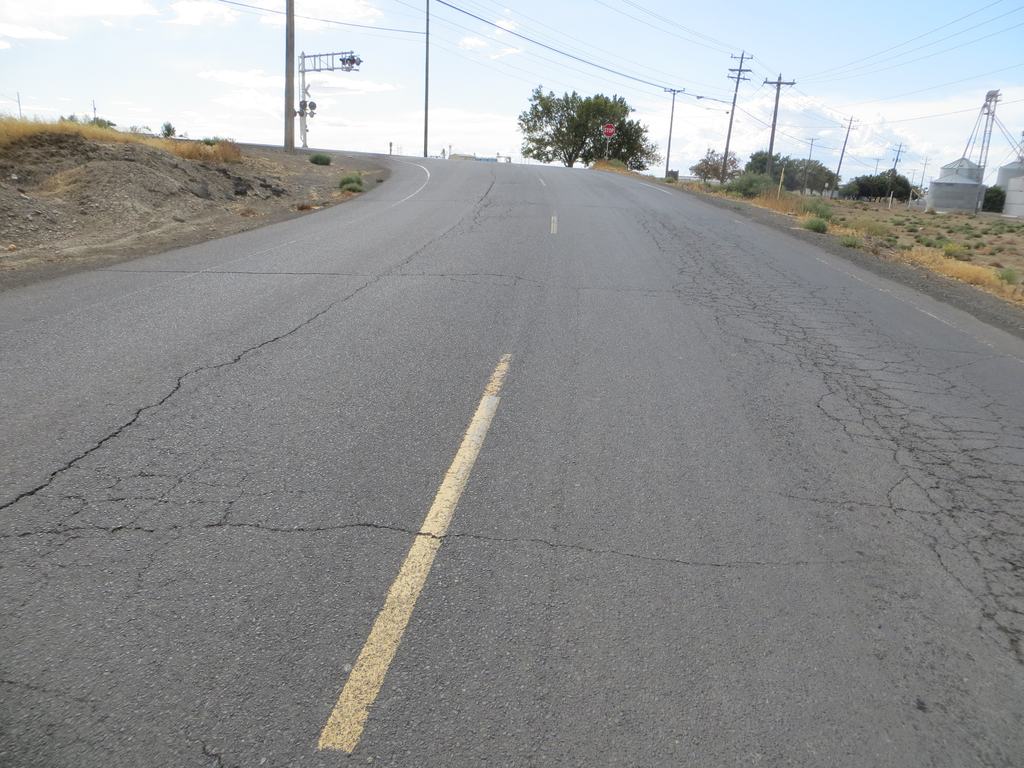
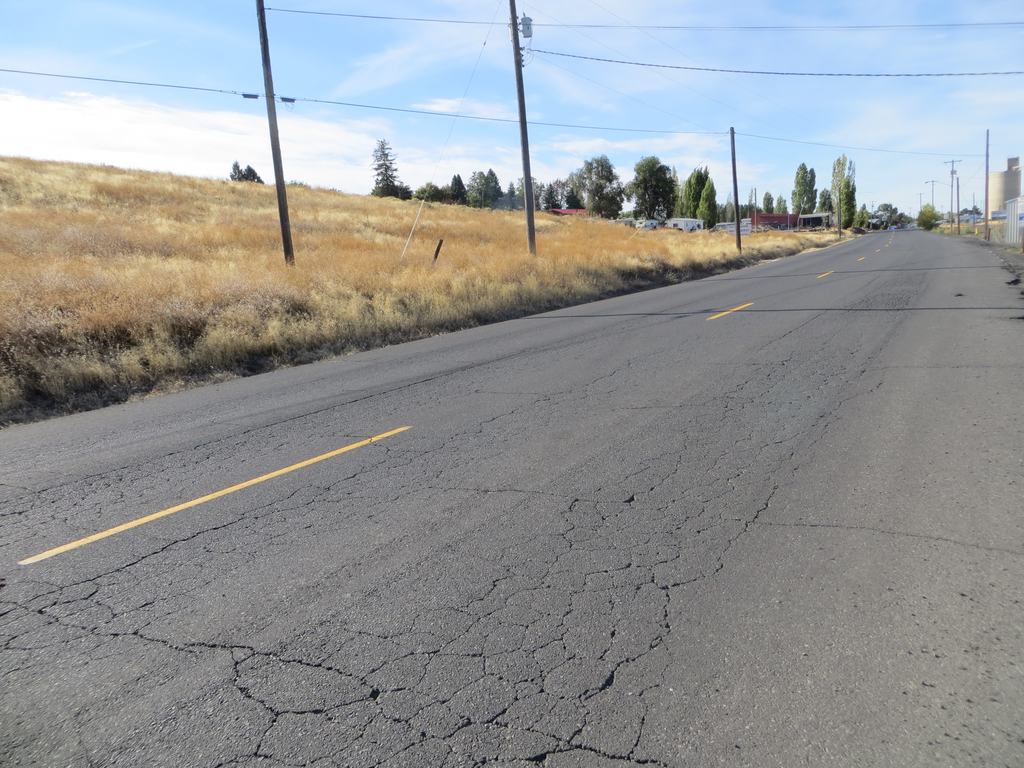
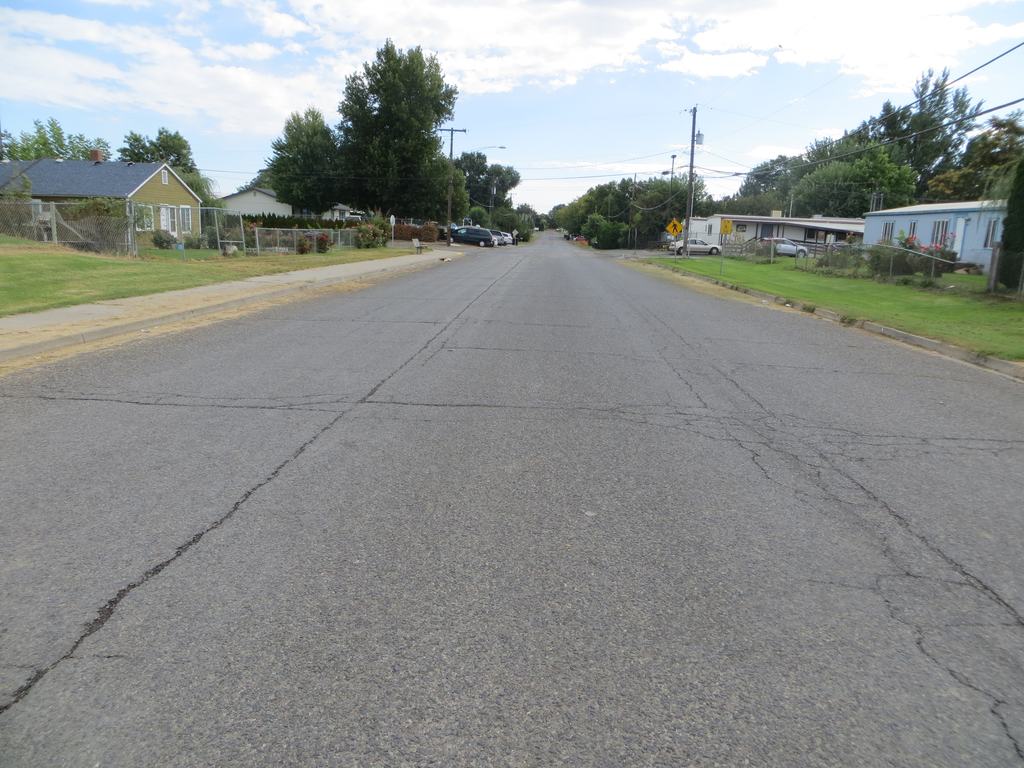
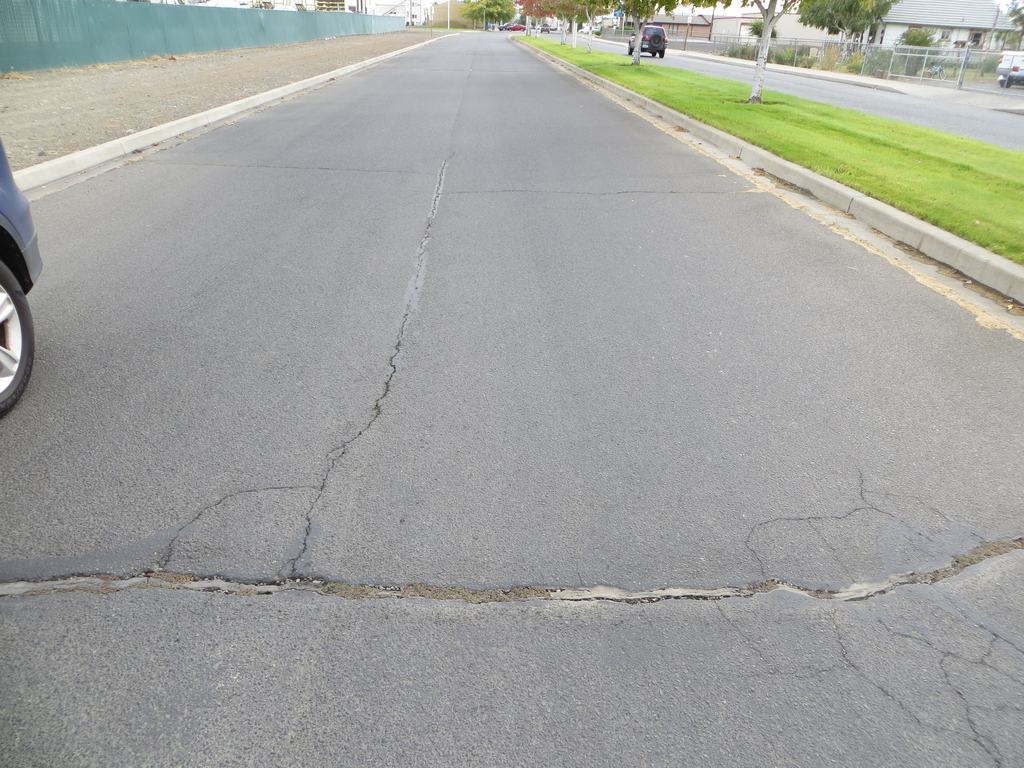
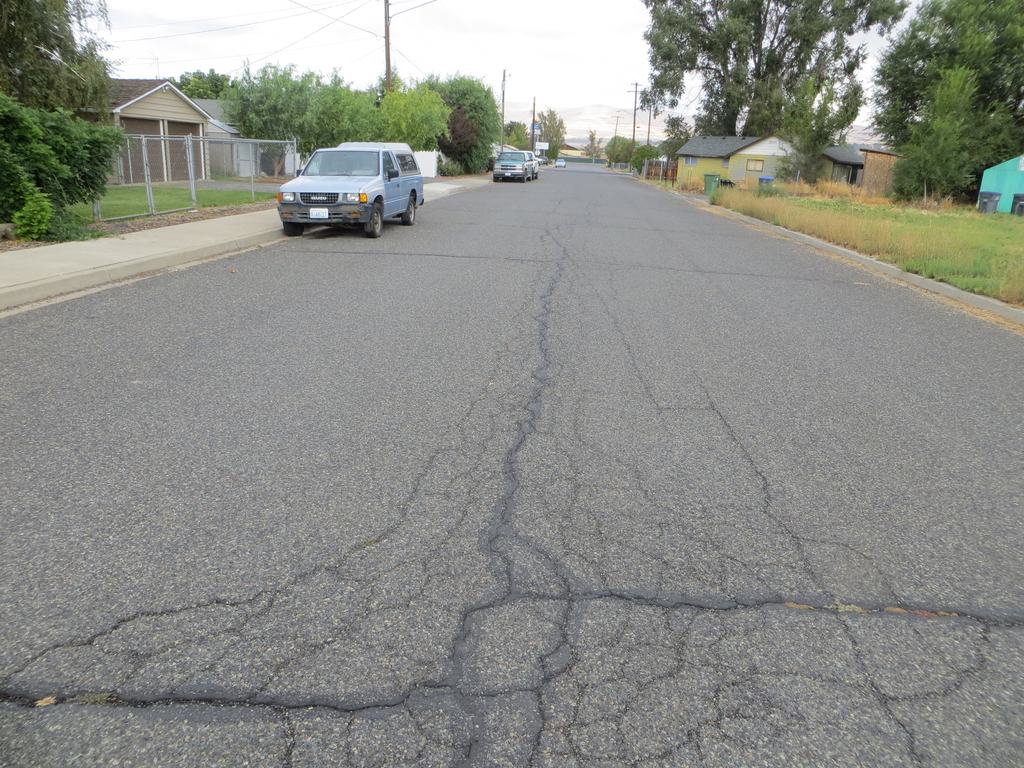
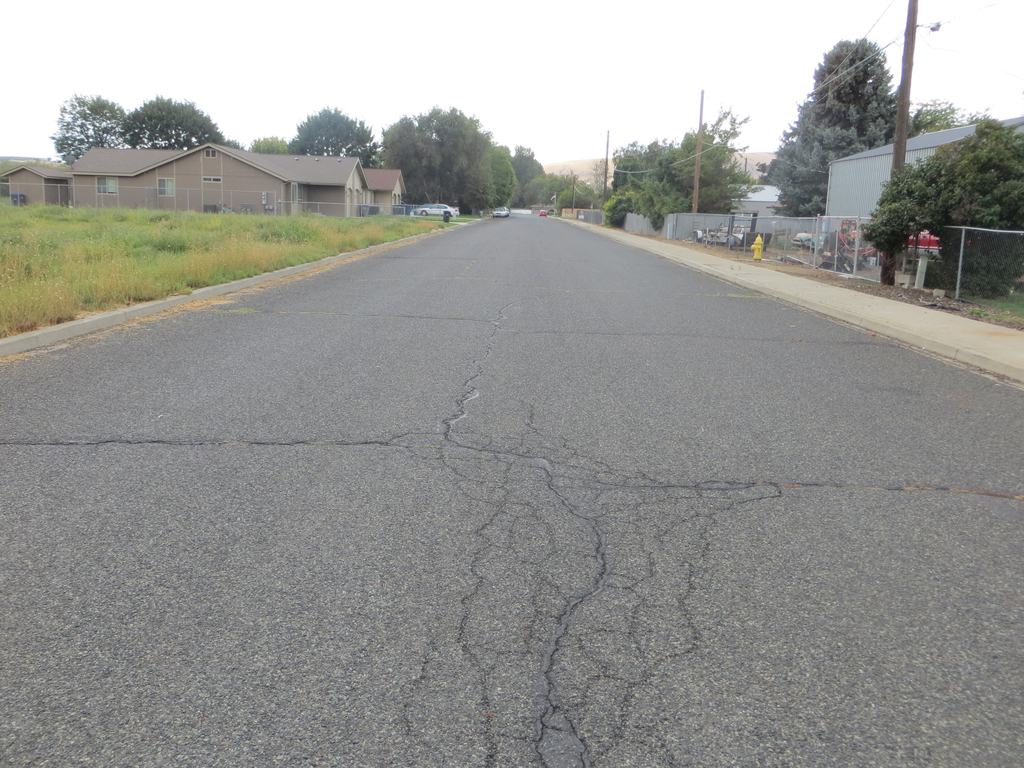
Field photos 4
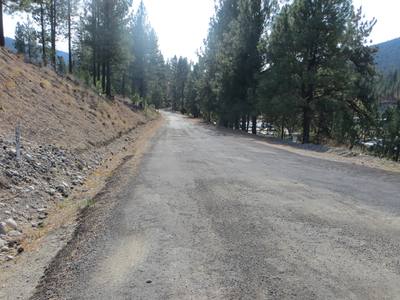
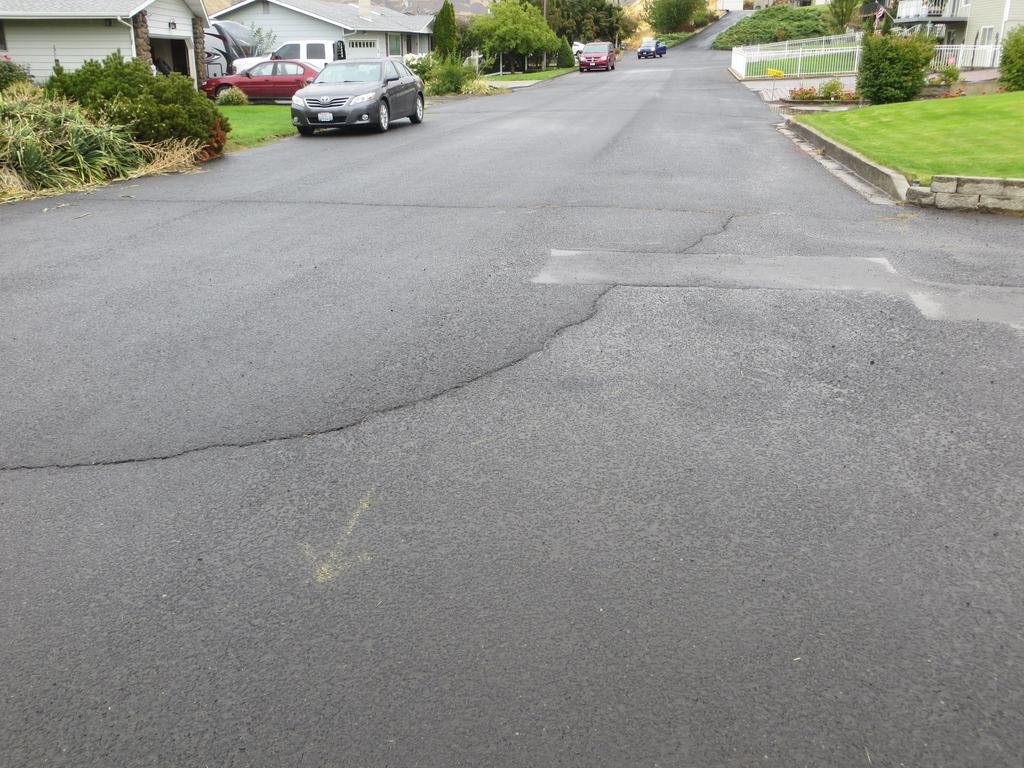
Republic, WA · overlay project, funded 2017Photo: Washington TIB 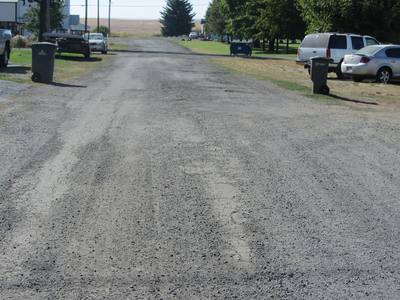
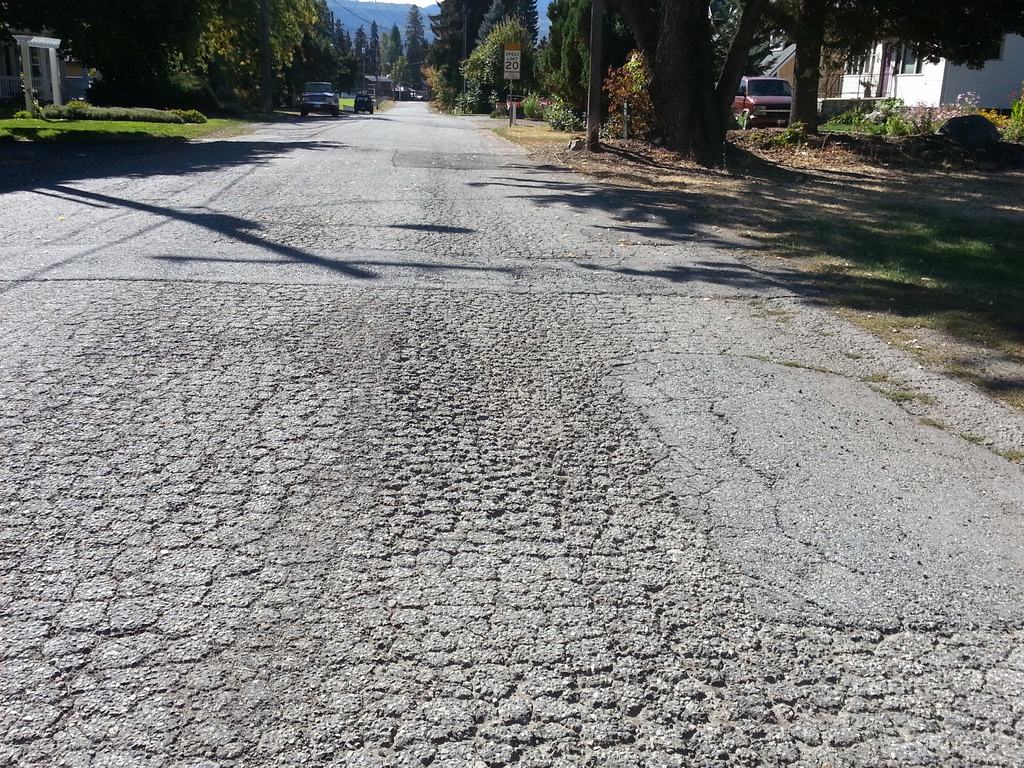
Reardan, WA · full depth reclamation project, funded 2019Photo: Washington TIB 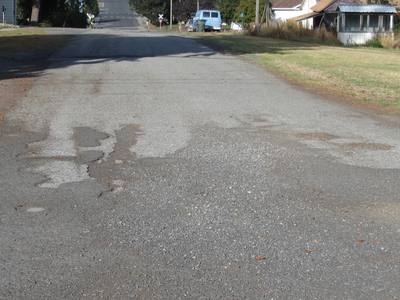
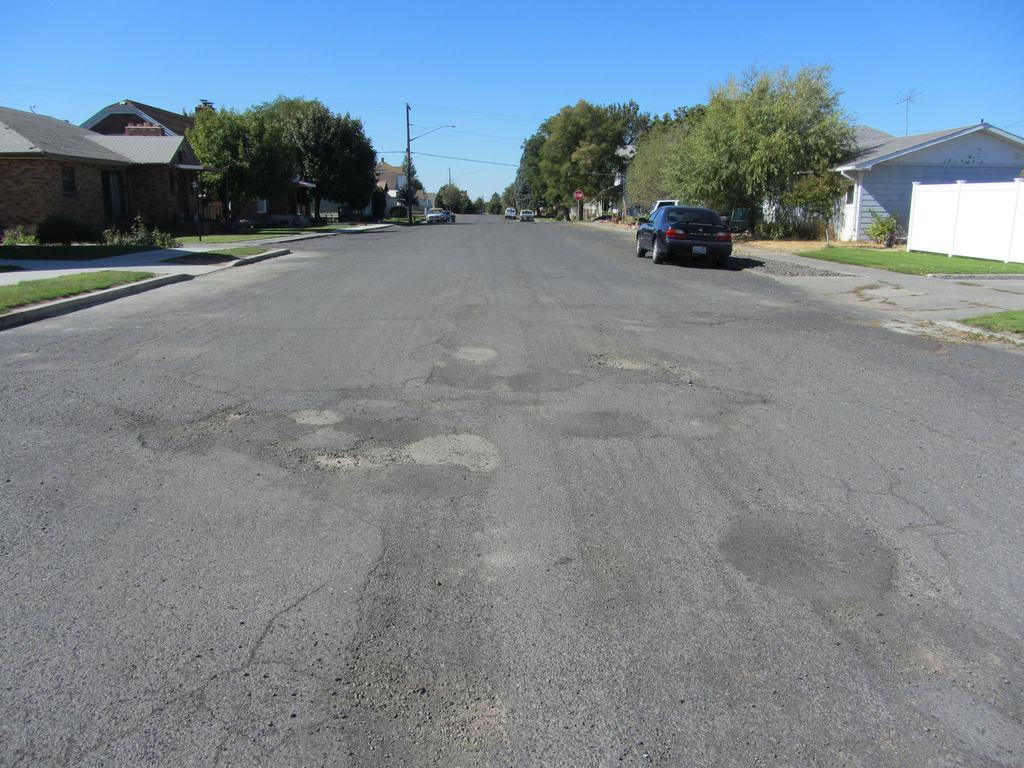
Spangle, WA · full depth reclamation project, funded 2018Photo: Washington TIB 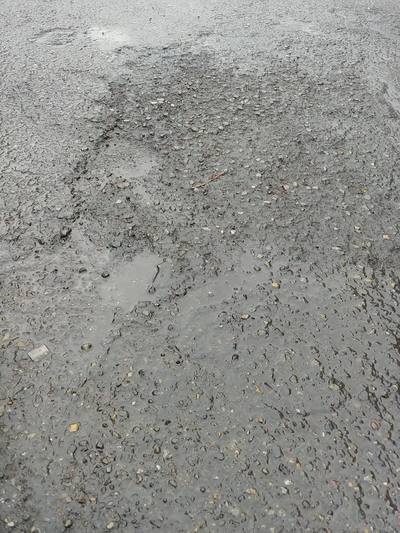
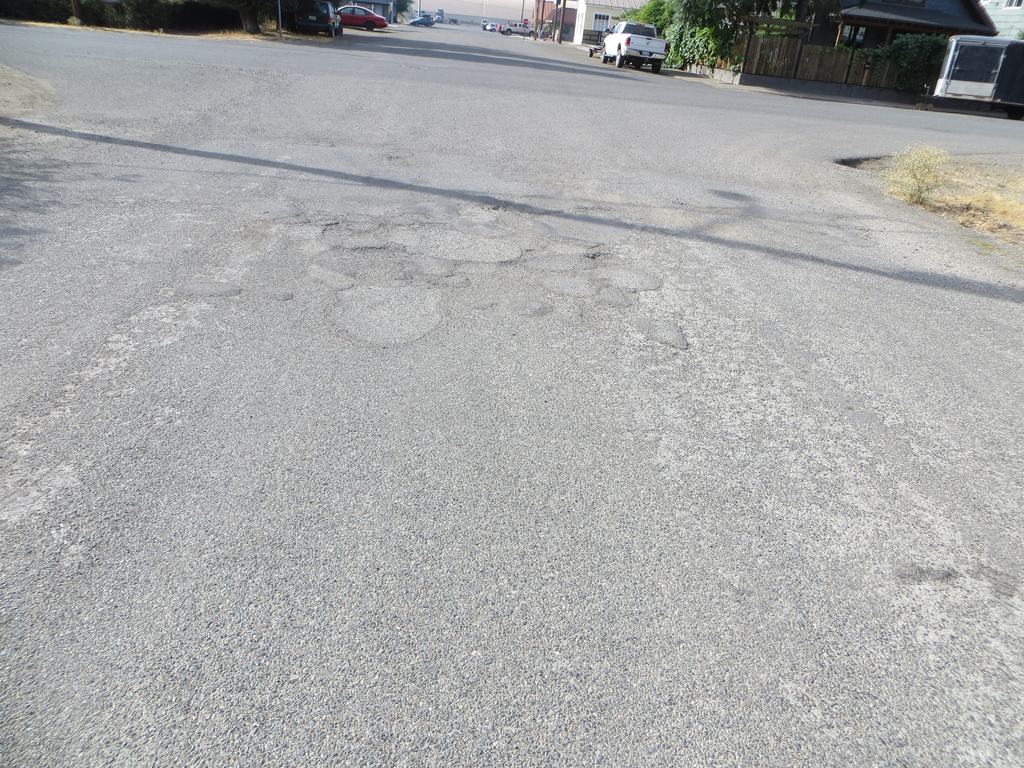
Photo: James Feracor / Washington TIB
Bleeding and flushing
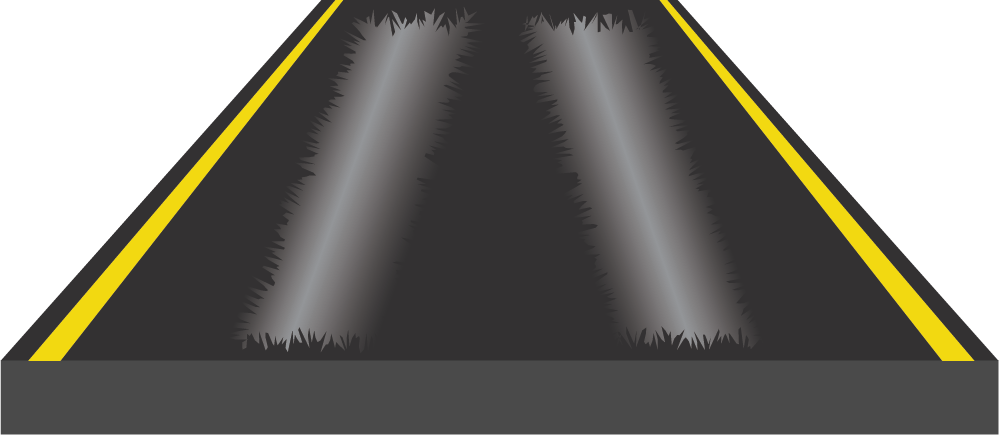
A film of asphalt binder on the surface: shiny, glassy and often sticky.
Severity
| Distress | Low | Medium | High |
|---|---|---|---|
| Bleed/Flush | Patchy areas, usually in wheelpaths | Majority of wheelpaths affected | Most of the lane affected |
How it scores (✕ rules the treatment out)
| Treatment | L · M · H |
|---|---|
| Chip / cape seal | 1 · 1 · ✕ |
| Thin HMA overlay | 1 · 1 · ✕ |
| Full depth reclamation | ✕ · 1 · 2 |
| Full reconstruction | ✕ · 1 · 2 |
How to rate it in RxPave
- Judge severity by the area affected, not by how much binder shows. It is hard to judge from a moving vehicle.
- Mill off bleeding before resurfacing where you can.
Why it matters. Slippery when wet, and unsightly.
Likely causes. Too much asphalt or tar in the mix, too much sealant, too few air voids, or a combination.
How it progresses. In hot weather or under traffic, binder fills the voids in the aggregate and rises to the surface. It doesn't go back down in cold weather or with less traffic, so it builds up over time.
Field photos 3
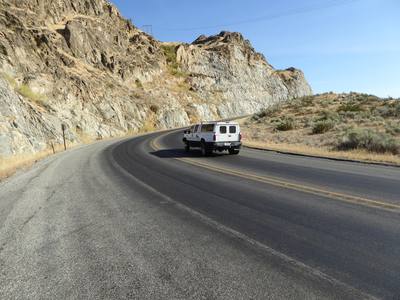
Photo: Joe Mahoney / Washington TIB 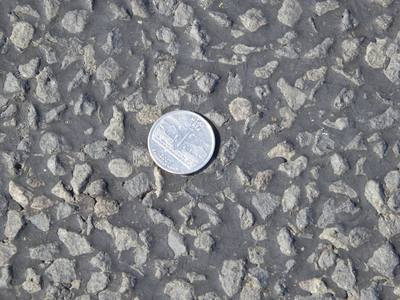
Photo: Joe Mahoney / Washington TIB 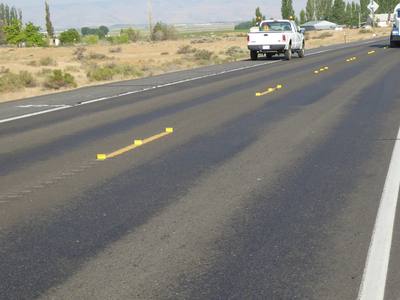
Photo: Joe Mahoney / Washington TIB
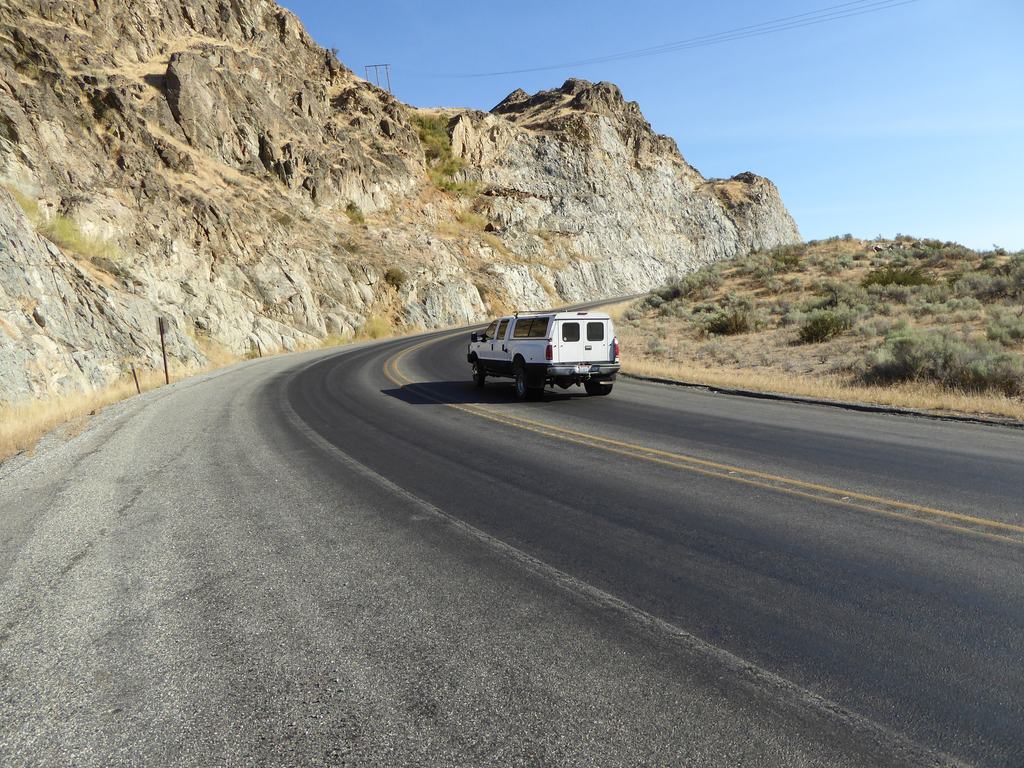
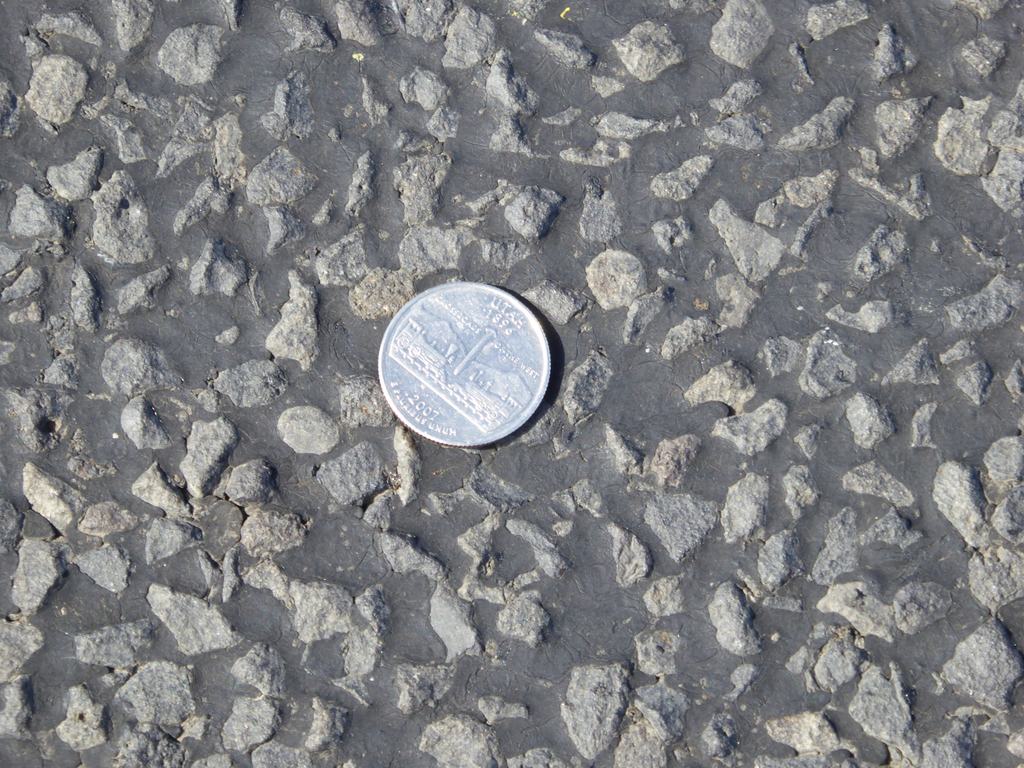
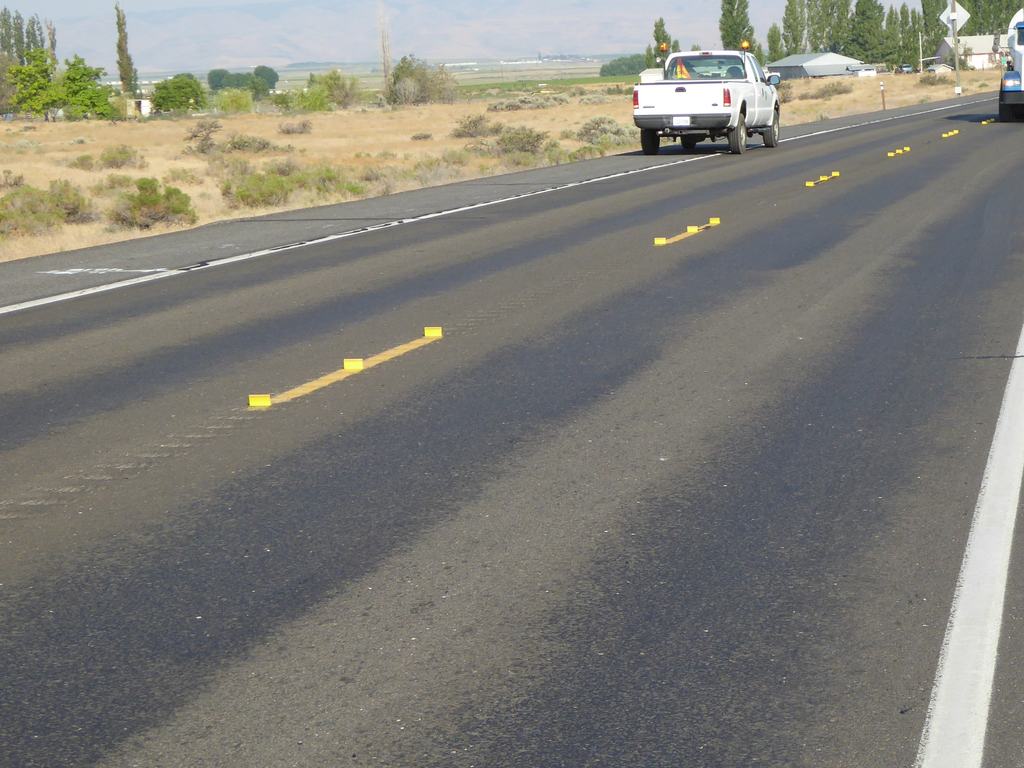
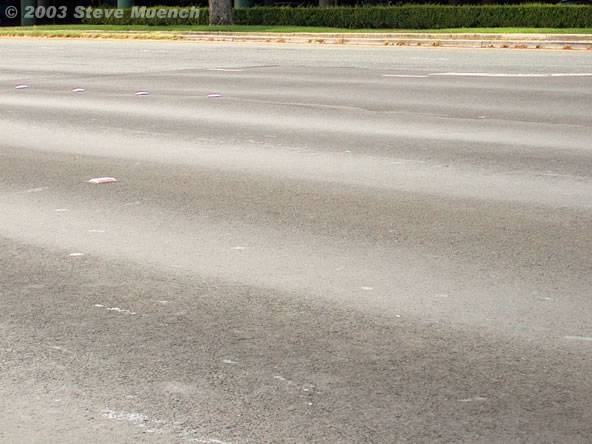
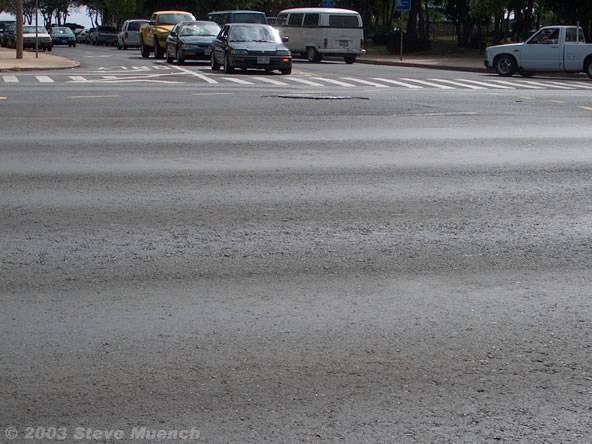
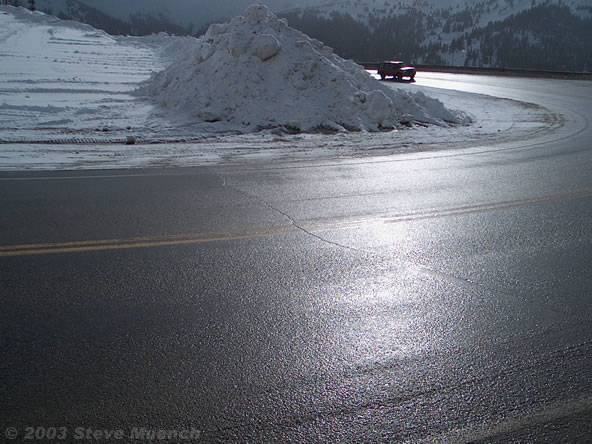
Rutting
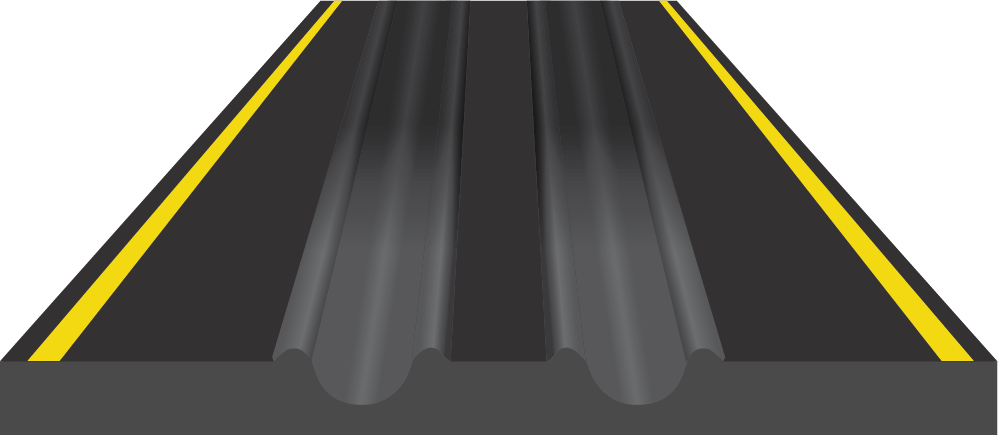
A depression in the wheelpath, sometimes with the pavement pushed up or sheared along its sides. Easiest to see after rain, when the ruts hold water.
Severity
| Distress | Low | Medium | High |
|---|---|---|---|
| Rutting | Rut depth ≤ ¼ in | ¼ to ¾ in | > ¾ in |
How it scores (✕ rules the treatment out)
| Treatment | L · M · H |
|---|---|
| Chip / cape seal | 1 · ✕ · ✕ |
| Thin HMA overlay | 2 · 1 · ✕ |
| Full depth reclamation | ✕ · 2 · 2 |
| Full reconstruction | ✕ · 2 · 2 |
How to rate it in RxPave
- Measure from the deepest point of the rut to the normal pavement surface, not to the raised lip beside it.
Why it matters. Water in ruts can cause hydroplaning, and ruts pull at the steering as drivers cross them.
Likely causes. HMA that wasn't compacted enough during construction and keeps densifying under traffic; a poor mix design (too much asphalt or mineral filler, too little angular aggregate); or a pavement structure too thin for its subgrade. Studded tires also wear ruts, but by abrasion rather than deformation.
How it progresses. There are two kinds. In mix rutting, only the layers above the subgrade deform, from compaction or mix design problems. In subgrade rutting, the subgrade itself deforms under load and the layers above settle into the depression.
Field photos 3
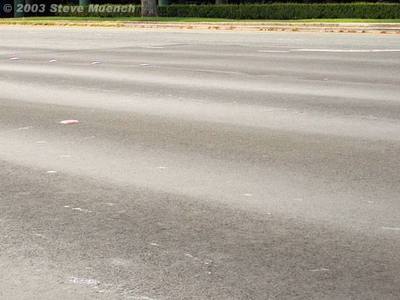
Photo © 2003 Steve Muench 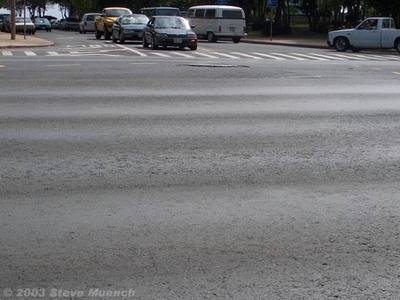
Photo © 2003 Steve Muench 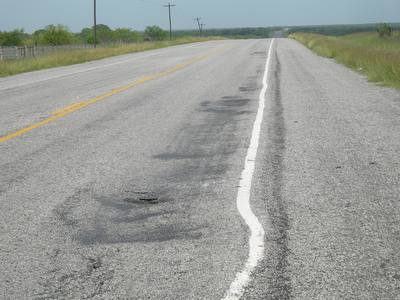
TXPhoto: Joe Mahoney / Washington TIB
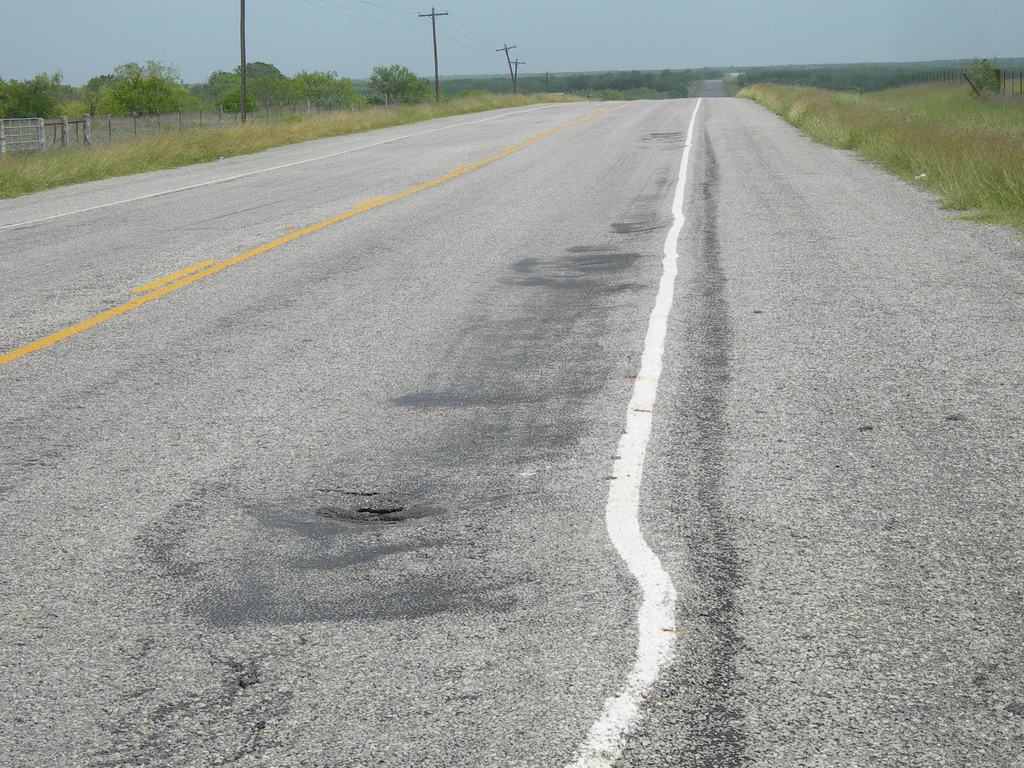
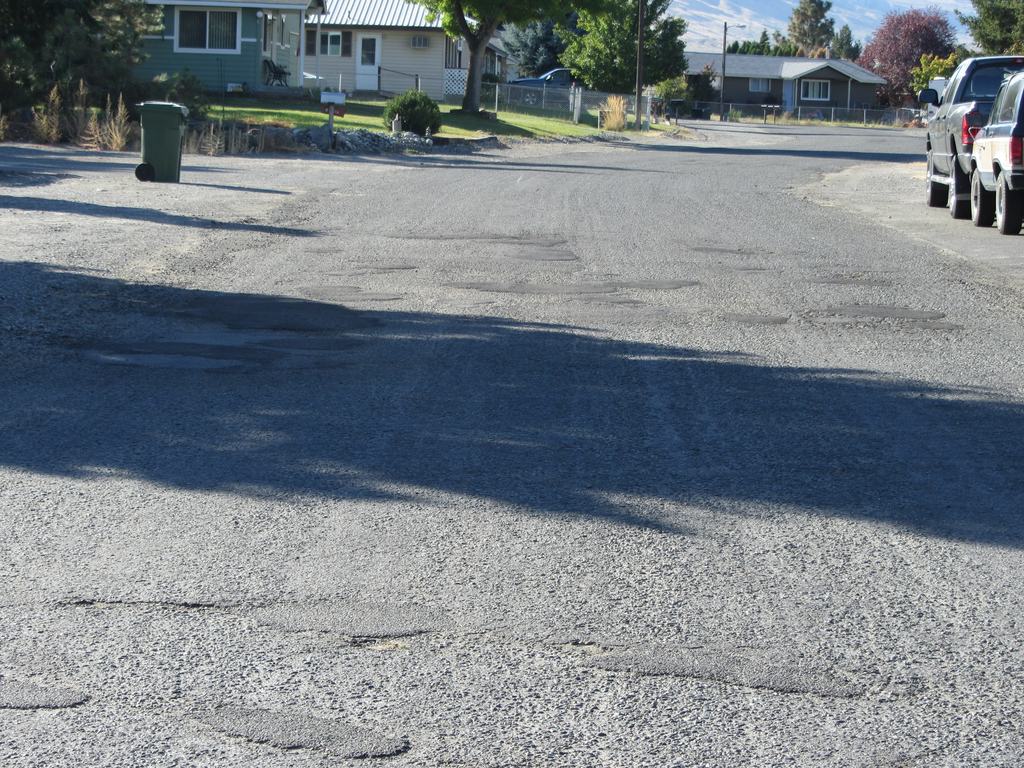
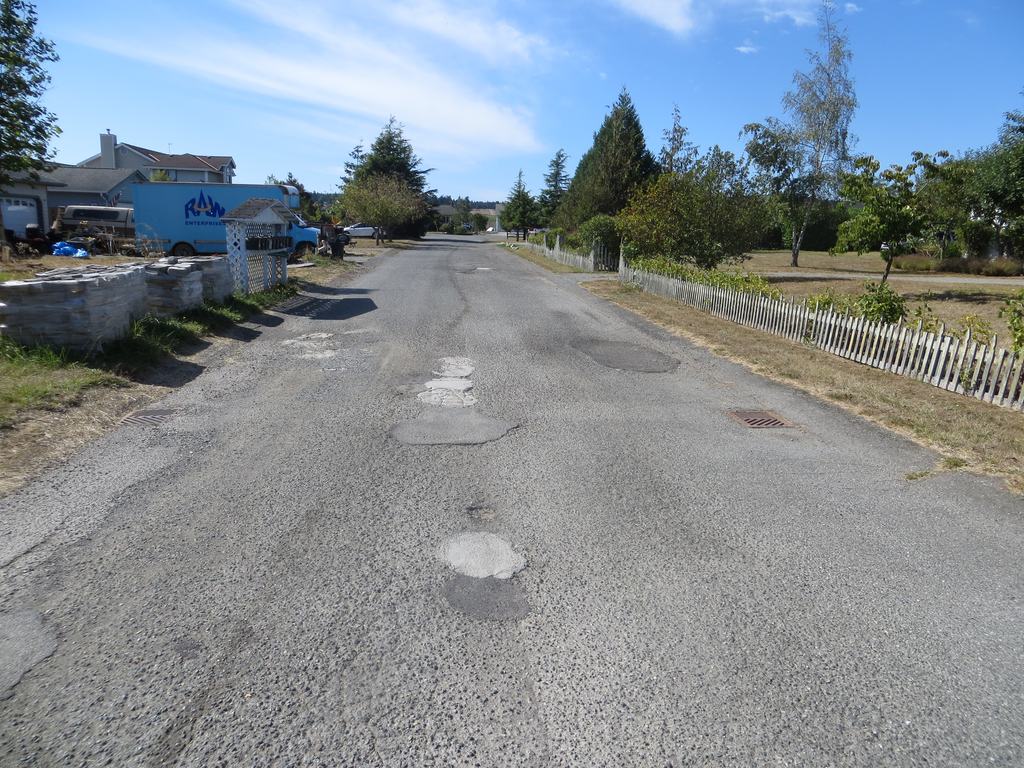
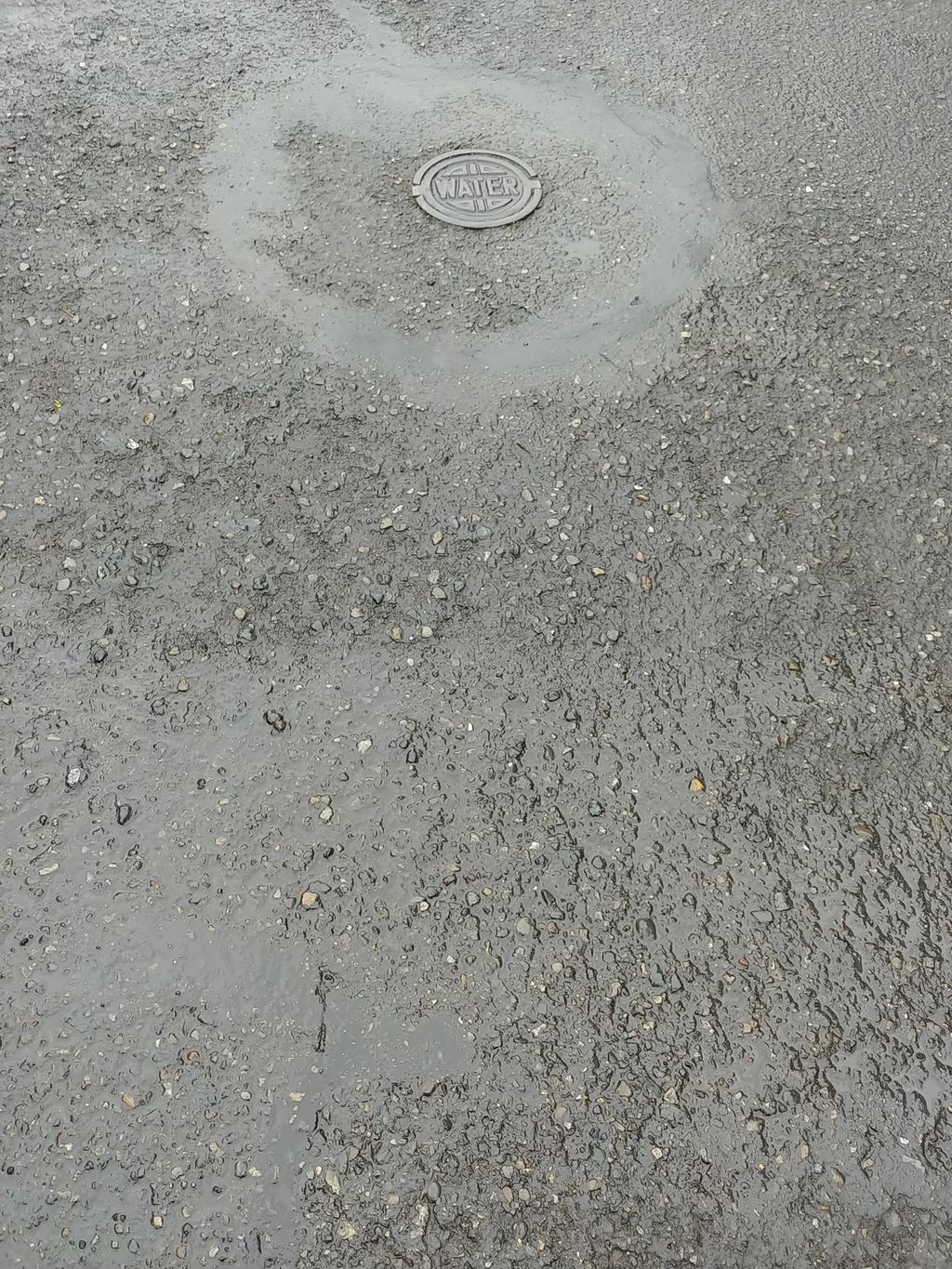
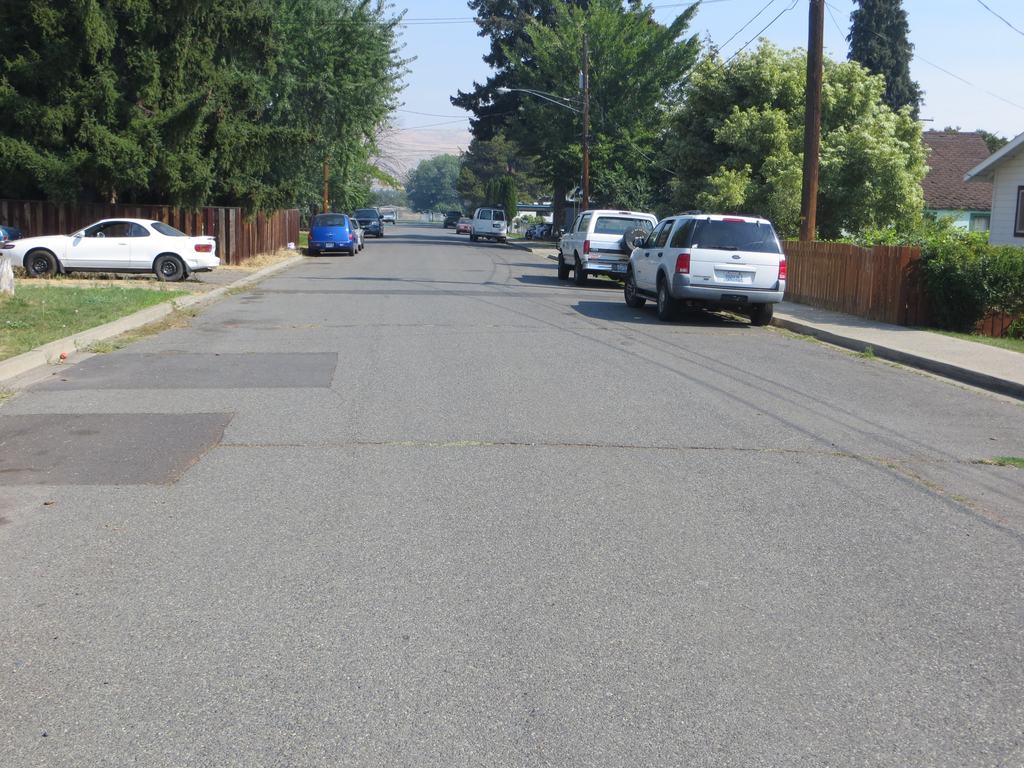
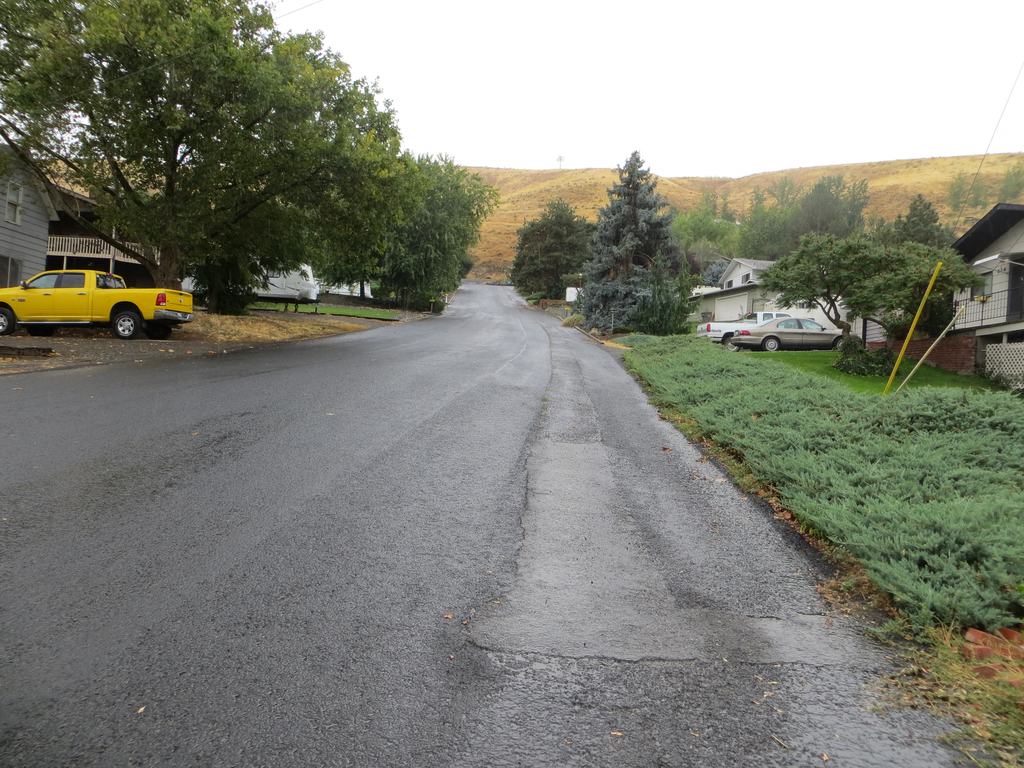
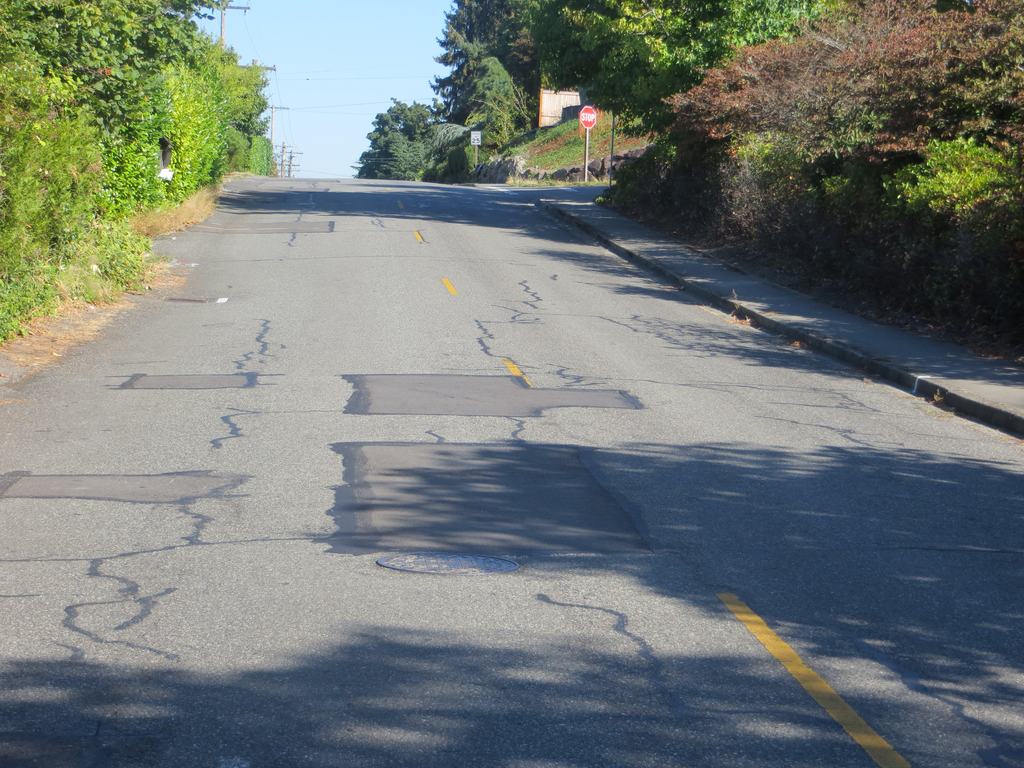
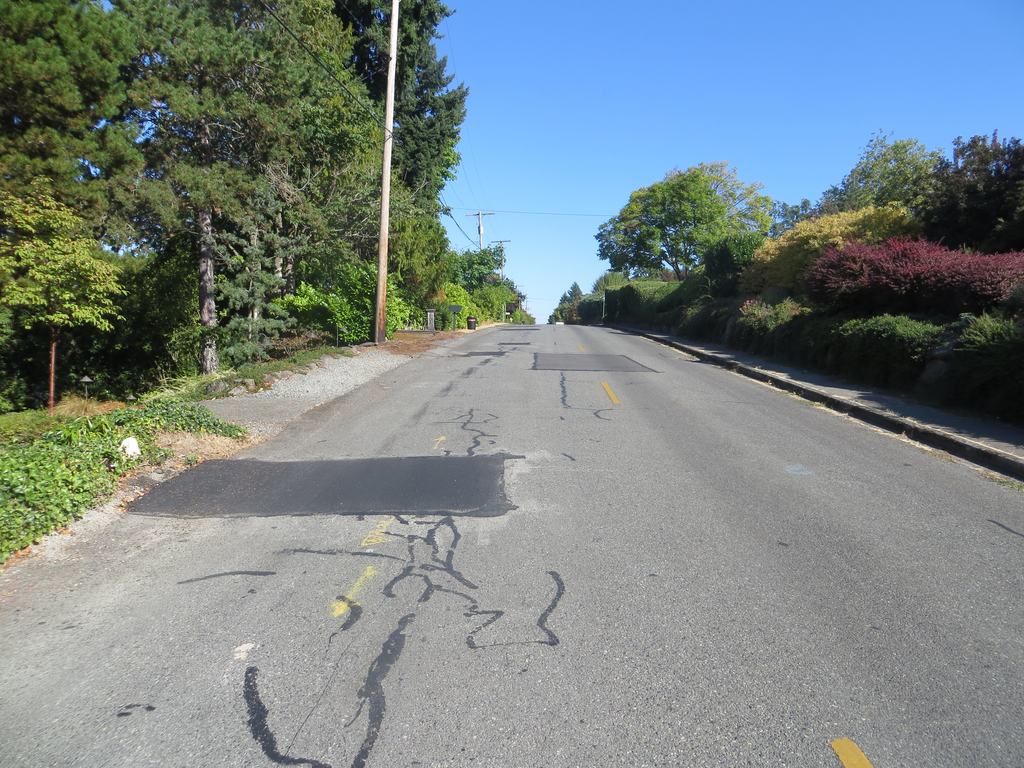
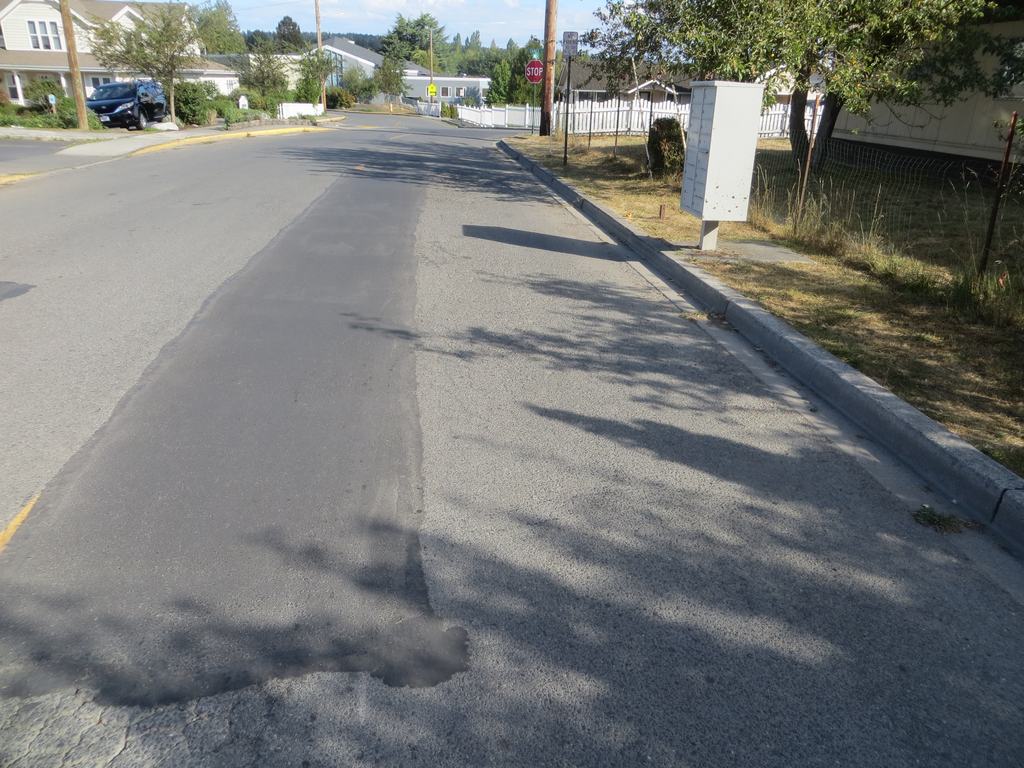
Patching

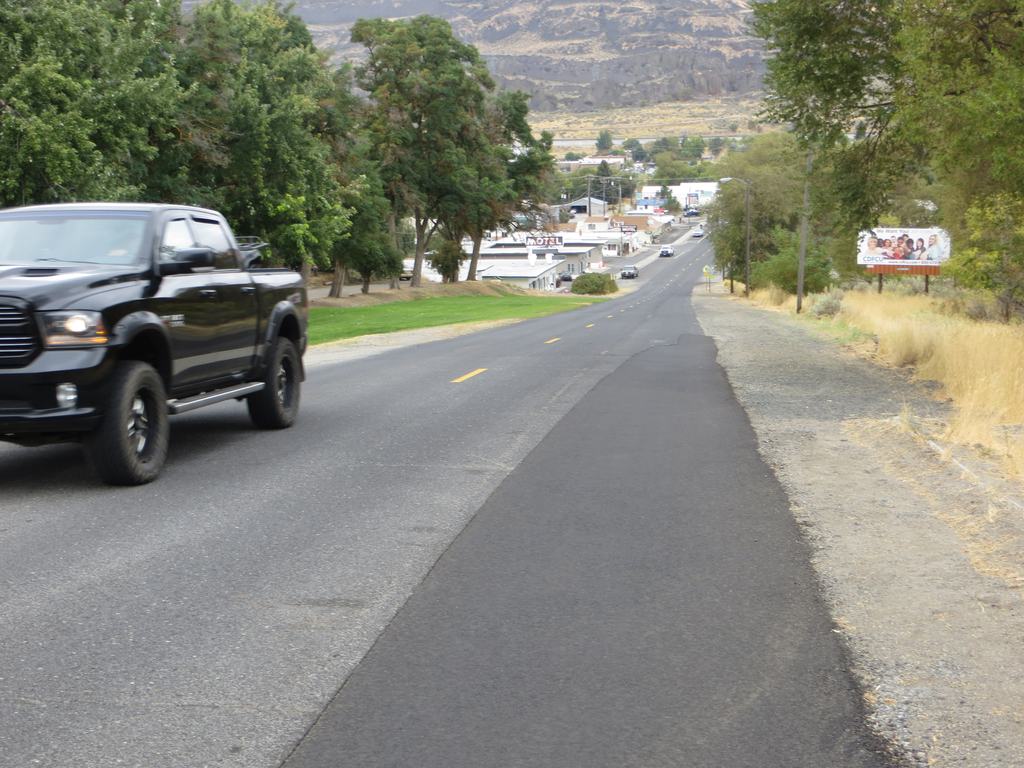
An area of pavement replaced with new material to repair it. A patch counts as a defect however well it performs.
Severity
| Distress | Low | Medium | High |
|---|---|---|---|
| Patching | ≤ 5% of surface area | 6% to 25% | > 25% |
How it scores (✕ rules the treatment out)
| Treatment | L · M · H |
|---|---|
| Chip / cape seal | 1 · 1 · ✕ |
| Thin HMA overlay | 1 · 1 · ✕ |
| Full depth reclamation | 1 · 1 · 2 |
| Full reconstruction | 1 · 1 · 2 |
How to rate it in RxPave
- Patches are usually built to a lower standard than a resurfacing and won't last as long.
- Patching can point to an uncorrected base or subgrade failure underneath.
Why it matters. A rougher ride, and water getting in at unsealed patch edges.
Likely causes. Utility cuts, or earlier repairs of local failures.
How it progresses. Patch edges can separate from the surrounding pavement and, left unsealed, let water into the base and subgrade.
Field photos 5
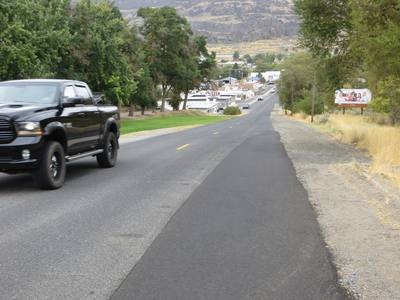
Grand Coulee, WA · seal coat project, funded 2019Photo: Washington TIB 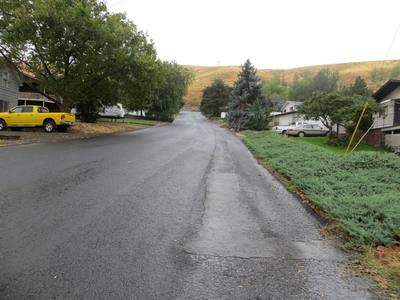
Asotin, WA · seal coat project, funded 2019Photo: Washington TIB 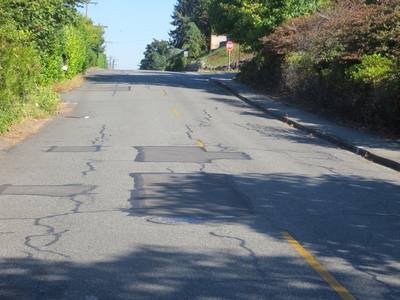
Medina, WA · overlay project, funded 2019Photo: Washington TIB 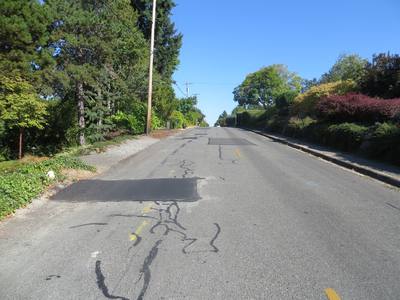
Medina, WA · overlay project, funded 2019Photo: Washington TIB 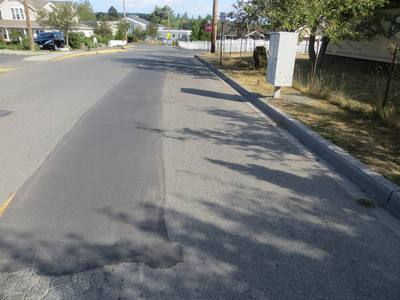
Friday Harbor, WA · full depth reclamation project, funded 2019Photo: Washington TIB
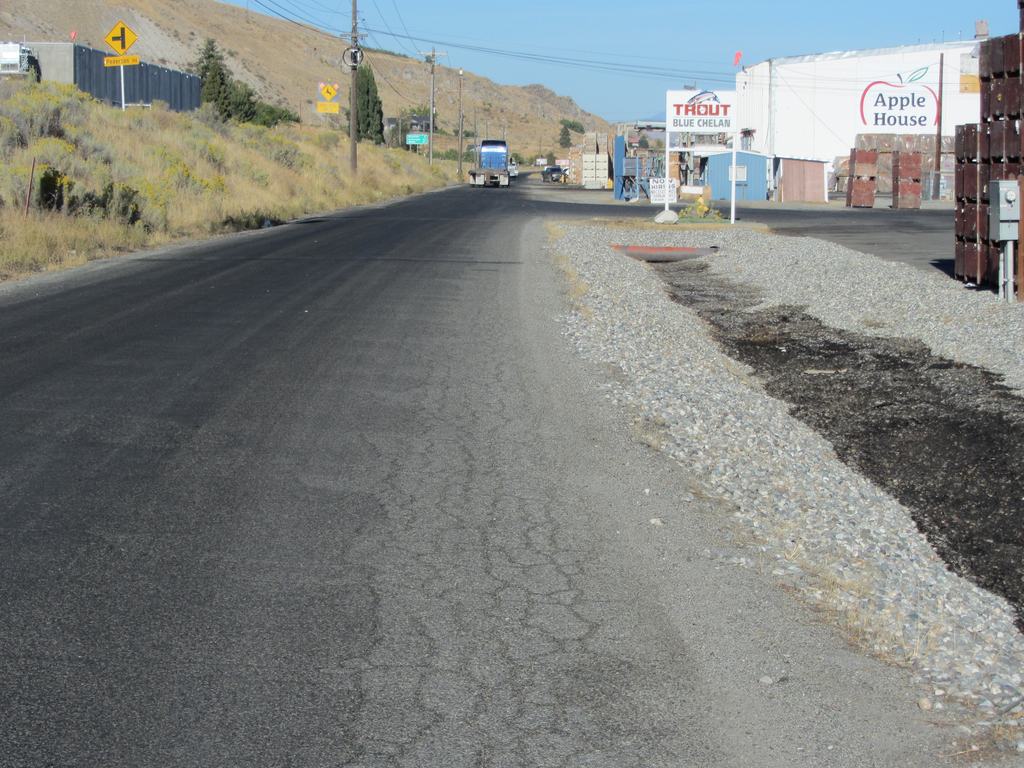
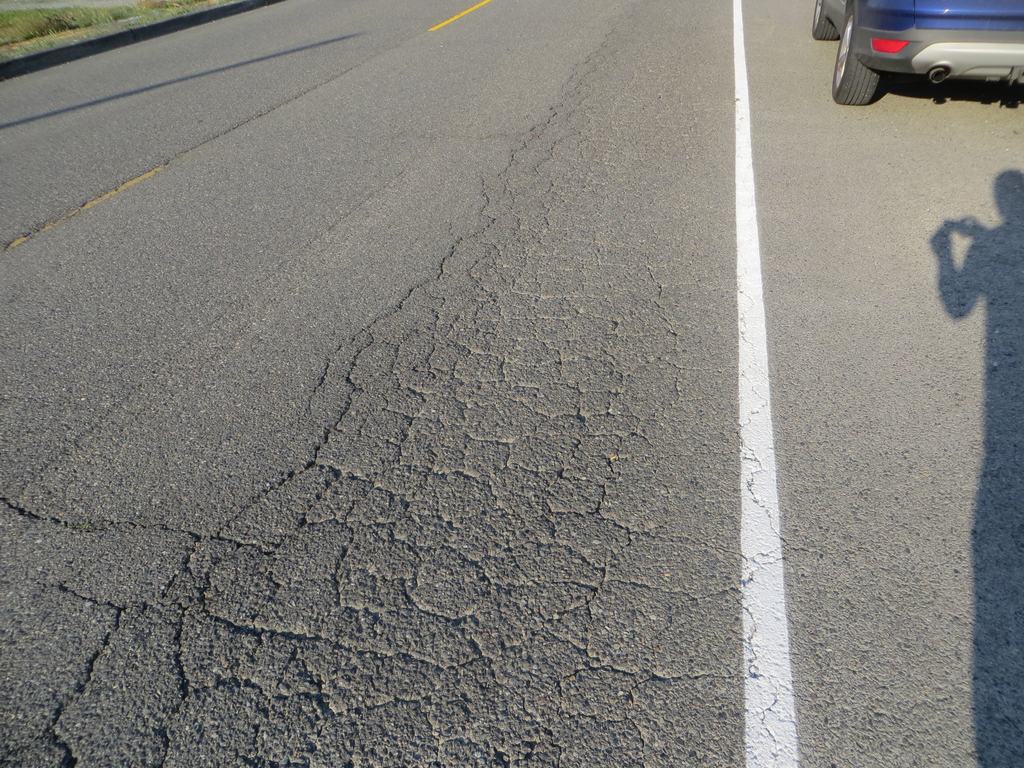
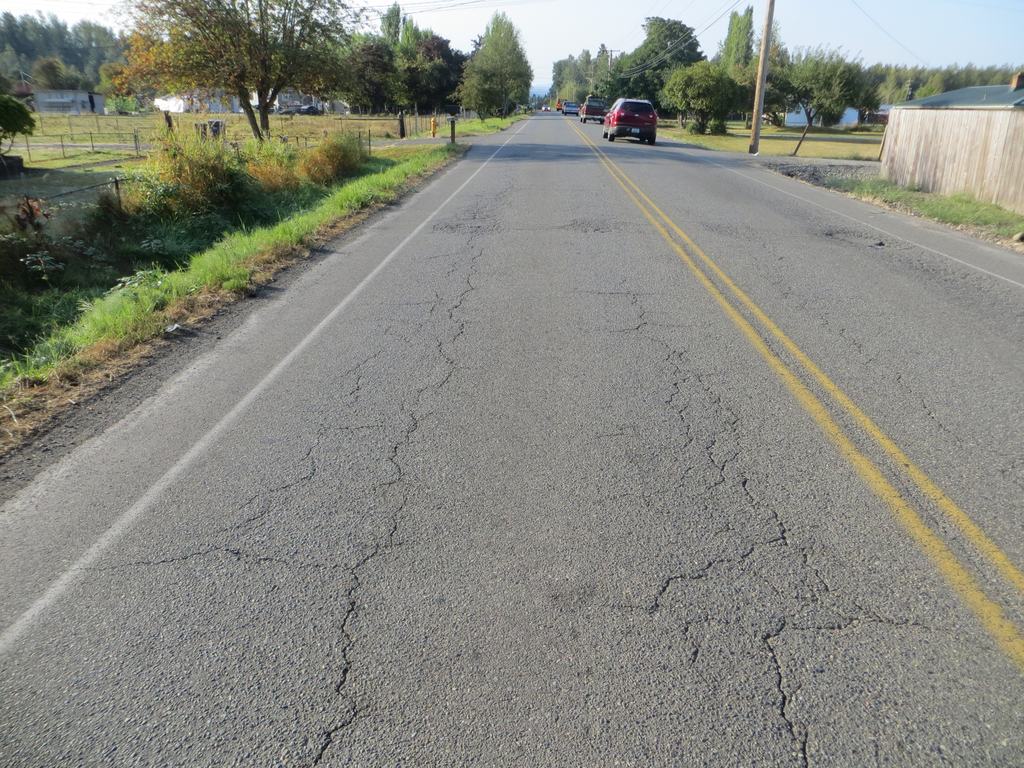
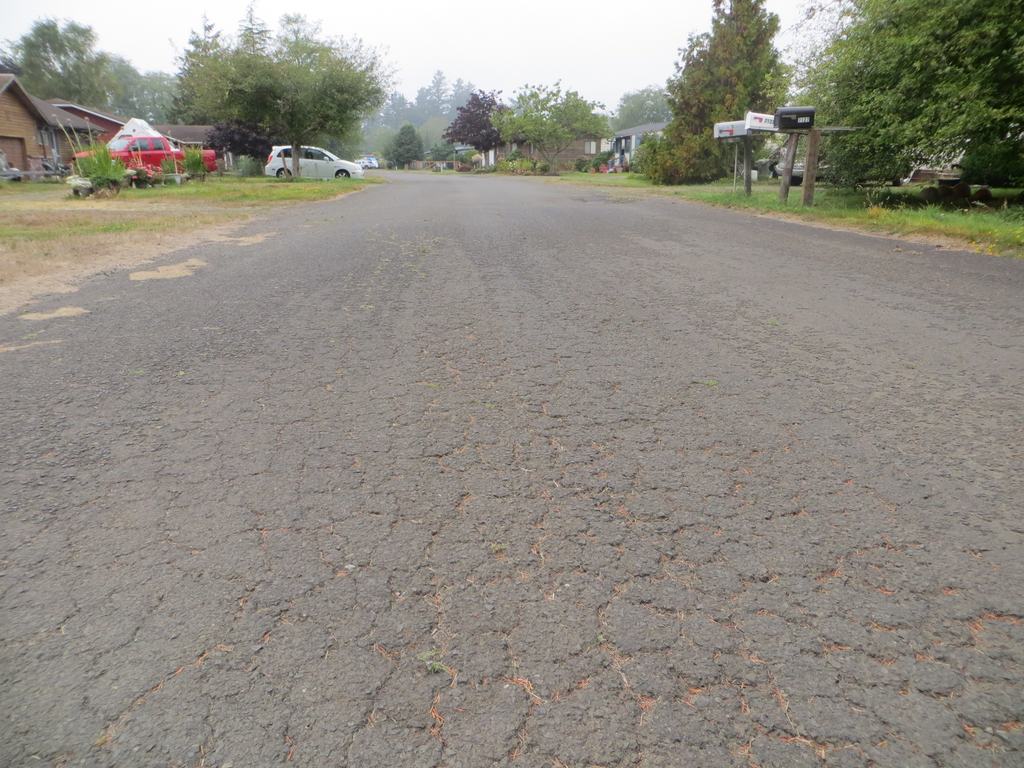
Alligator cracking
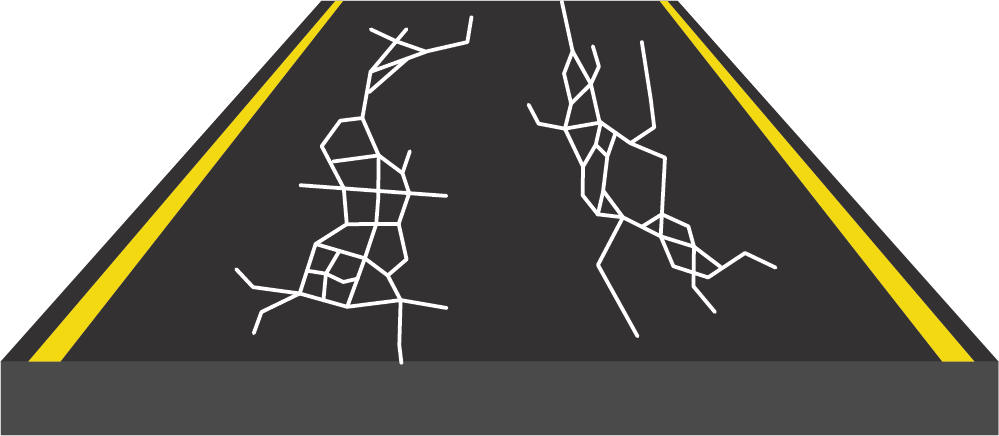
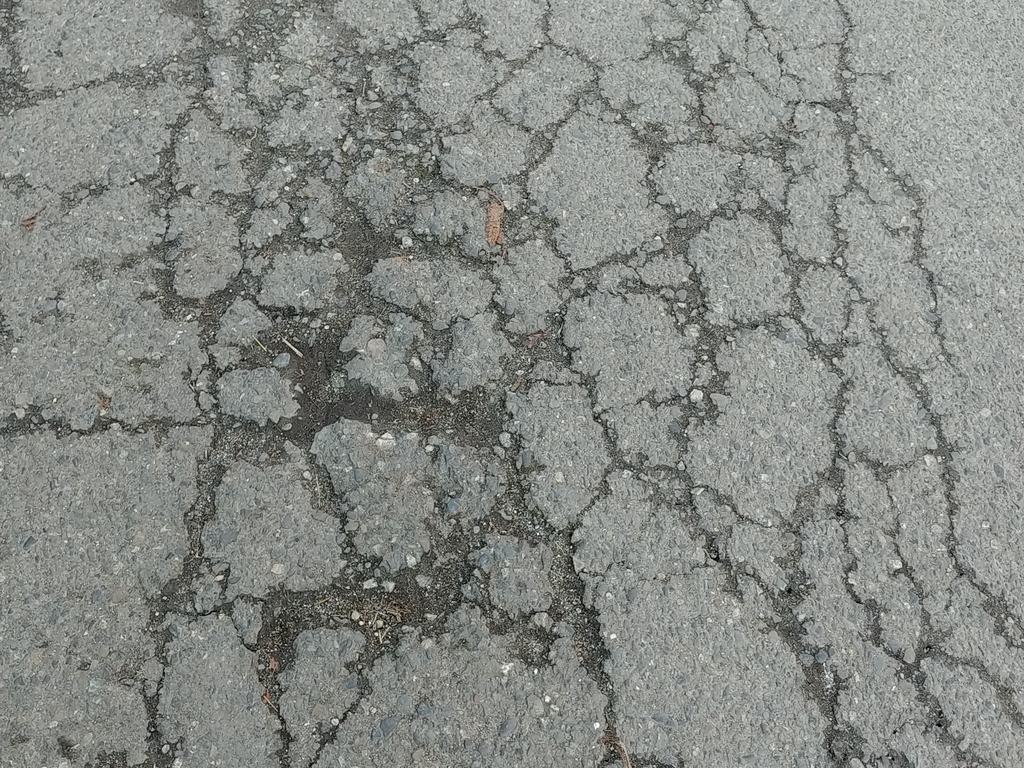
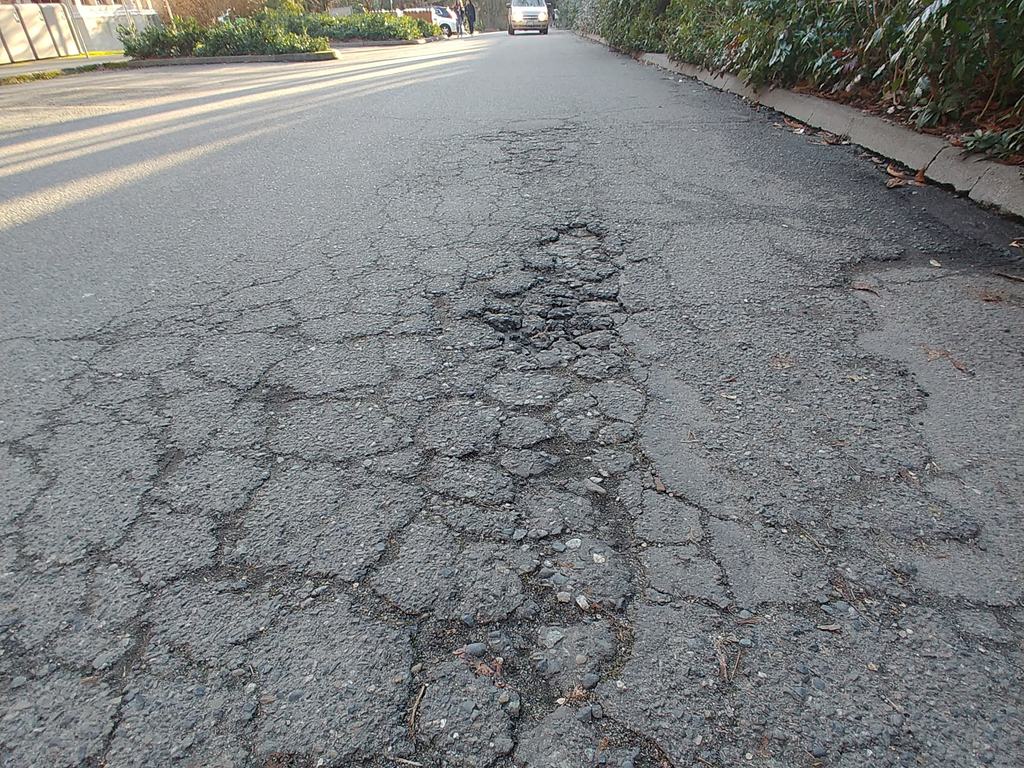
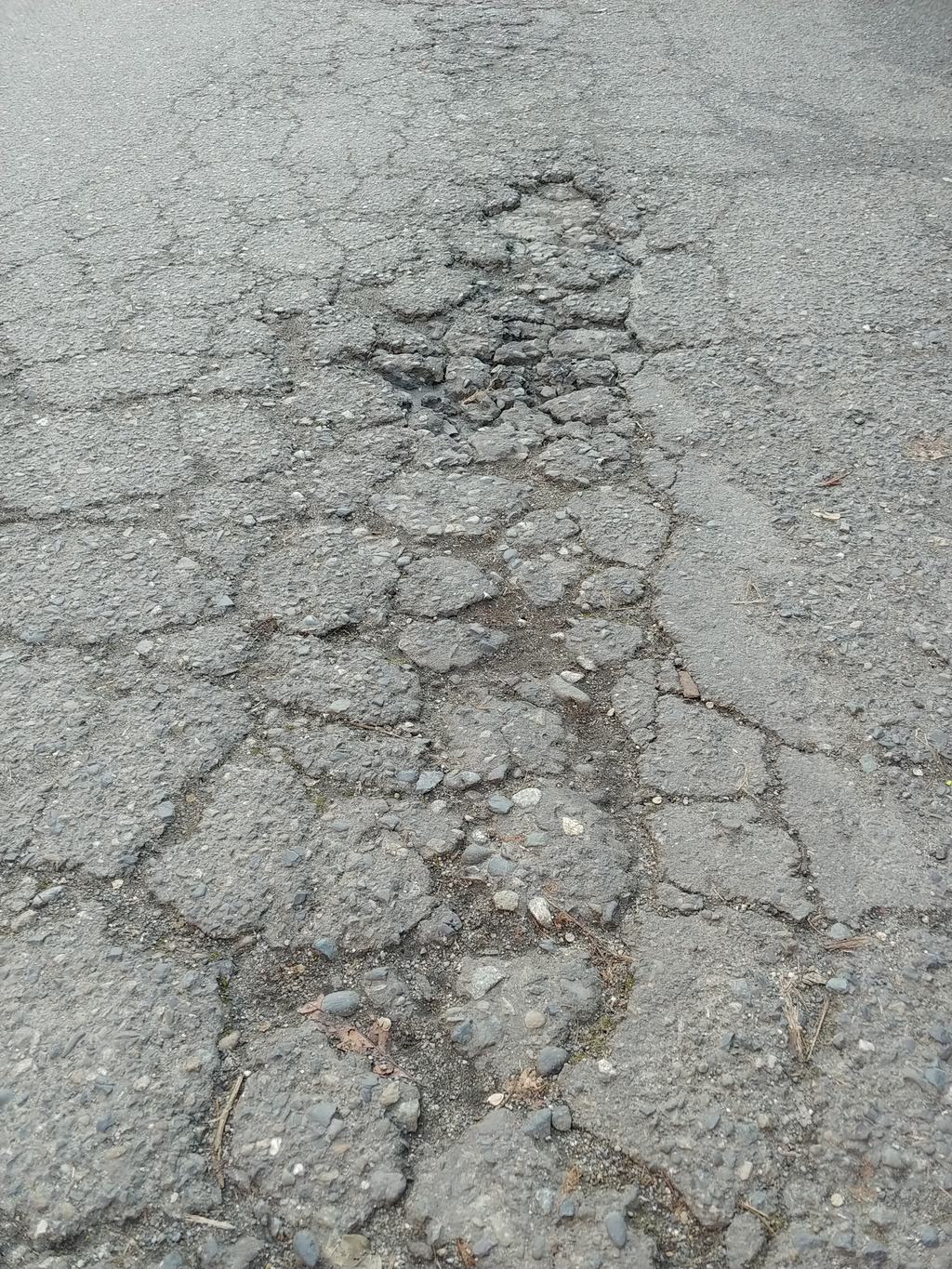
Interconnected cracks from fatigue under repeated traffic loads. They form many-sided, sharp-angled pieces in a pattern like an alligator's back.
Severity
| Distress | Low | Medium | High |
|---|---|---|---|
| Alligator Cracking | Hairline | Spalling | Spalling and pumping |
How it scores (✕ rules the treatment out)
| Treatment | L · M · H |
|---|---|
| Chip / cape seal | 2 · 1 · ✕ |
| Thin HMA overlay | 2 · 2 · ✕ |
| Full depth reclamation | 1 · 1 · 2 |
| Full reconstruction | 1 · 1 · 2 |
How to rate it in RxPave
- It is a sign of structural failure (loads greater than the pavement can carry), of advanced cracking of another kind, or of subgrade failure.
- Find the cause before choosing a treatment. If the base or subgrade is weak and deforming, repair it full depth rather than resurfacing over it.
- RxPave also asks what percent of the wheelpath area is affected.
Why it matters. It leads to potholes and the pavement breaking up.
Likely causes. Too little structural support for the traffic: base, subbase or subgrade weakened by poor drainage, stripping at the bottom of the HMA, more traffic than planned, a design too thin for the loads, or poor compaction.
How it progresses. Cracks let water into the base and subgrade. As loads grow too many or too heavy, longitudinal cracks form, usually in the wheelpaths. Repeated loading joins them into the alligator pattern.
Field photos 9
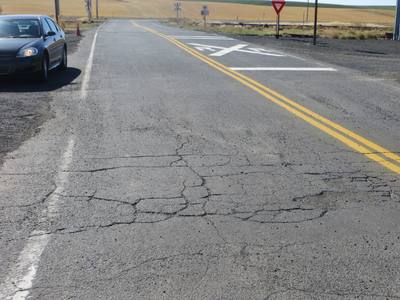
Creston, WA · seal coat project, funded 2017Photo: Washington TIB 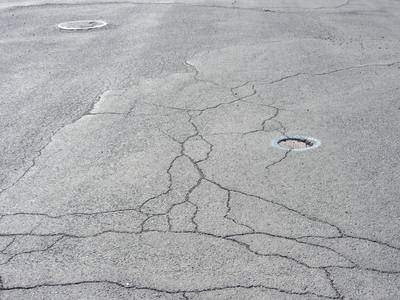
Odessa, WA · full depth reclamation project, funded 2019Photo: Washington TIB 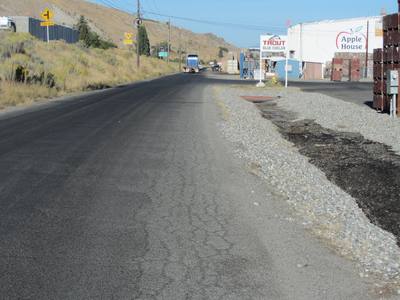
Pateros, WA · full depth reclamation project, funded 2019Photo: Washington TIB 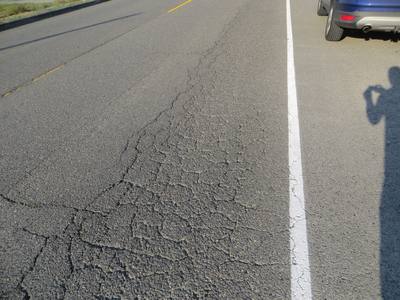
Buckley, WA · full depth reclamation project, funded 2019Photo: Washington TIB 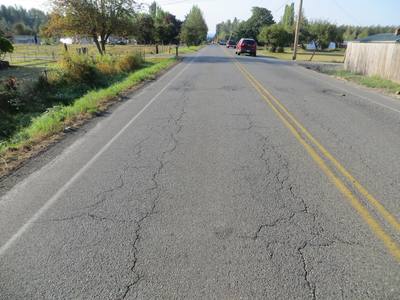
Buckley, WA · full depth reclamation project, funded 2019Photo: Washington TIB 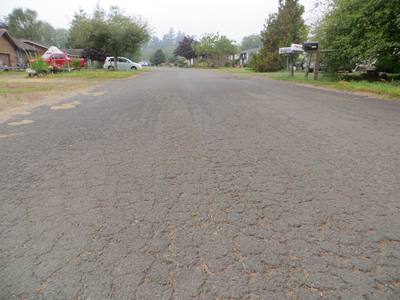
Ilwaco, WA · full depth reclamation project, funded 2019Photo: Washington TIB 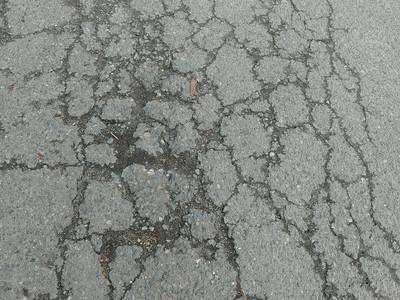
Photo: James Feracor / Washington TIB 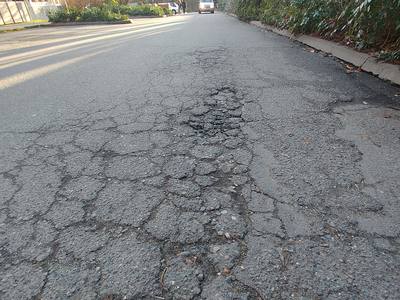
Photo: James Feracor / Washington TIB 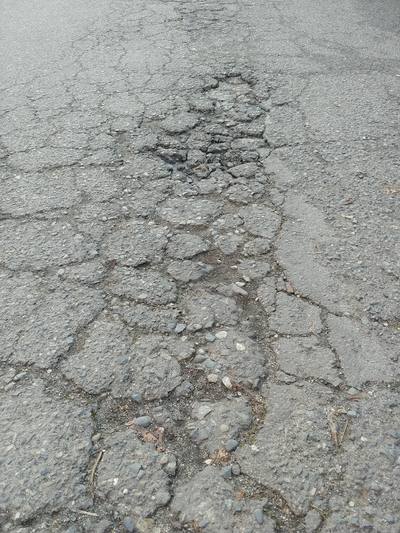
Photo: James Feracor / Washington TIB
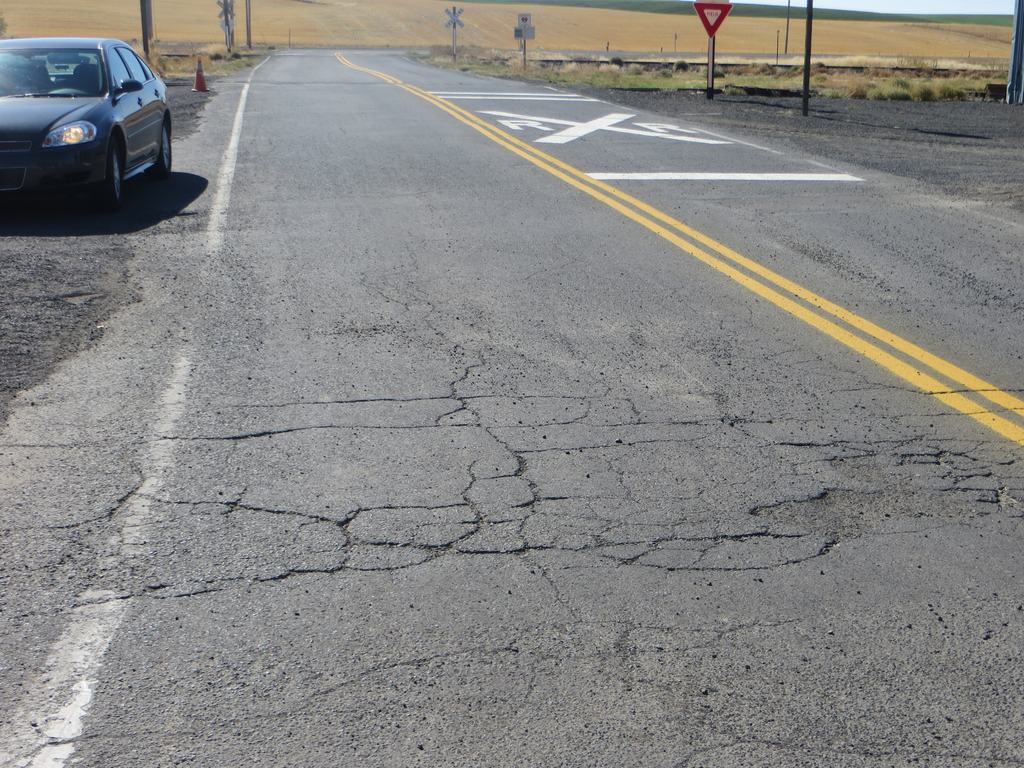
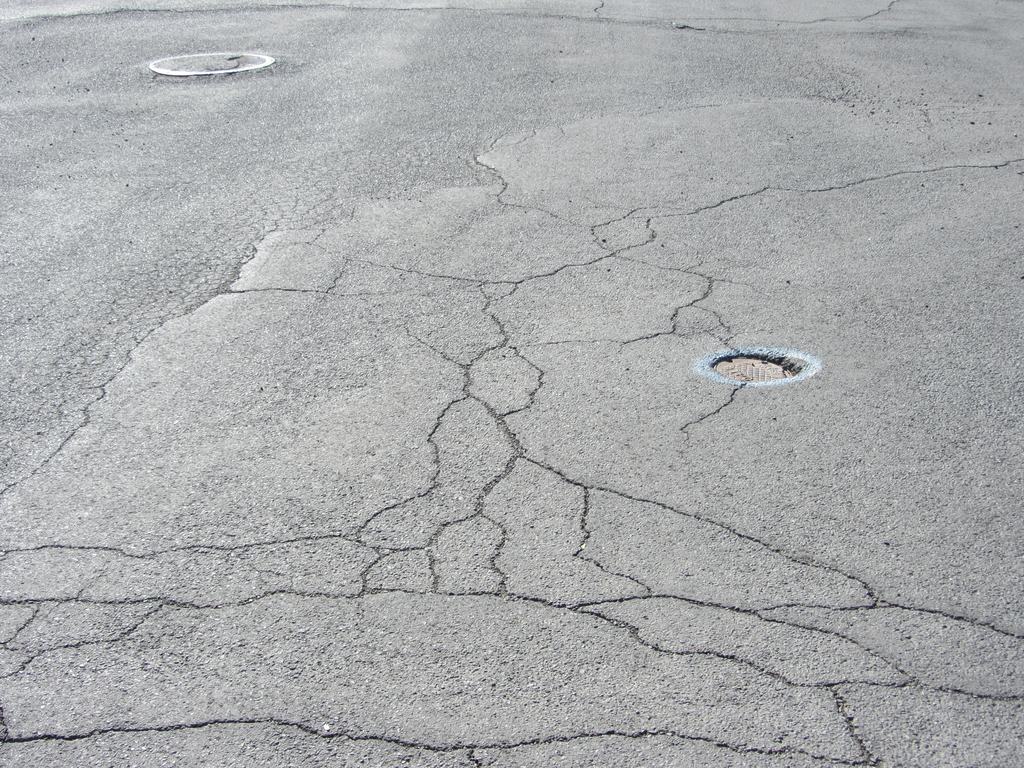
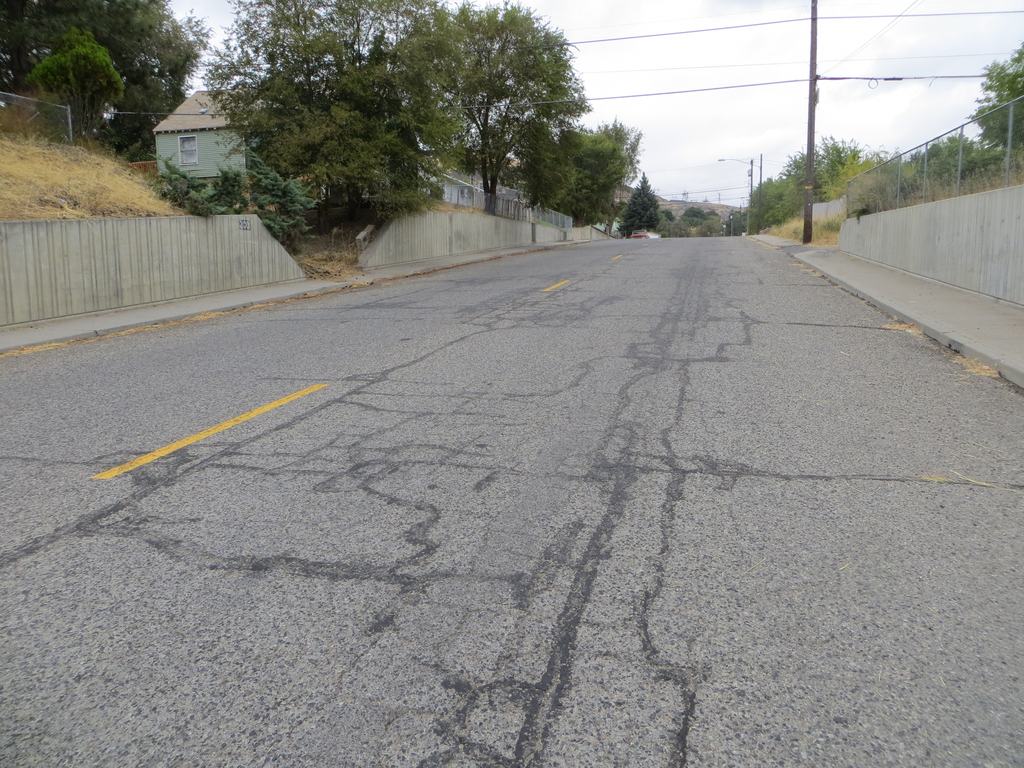
Block cracking
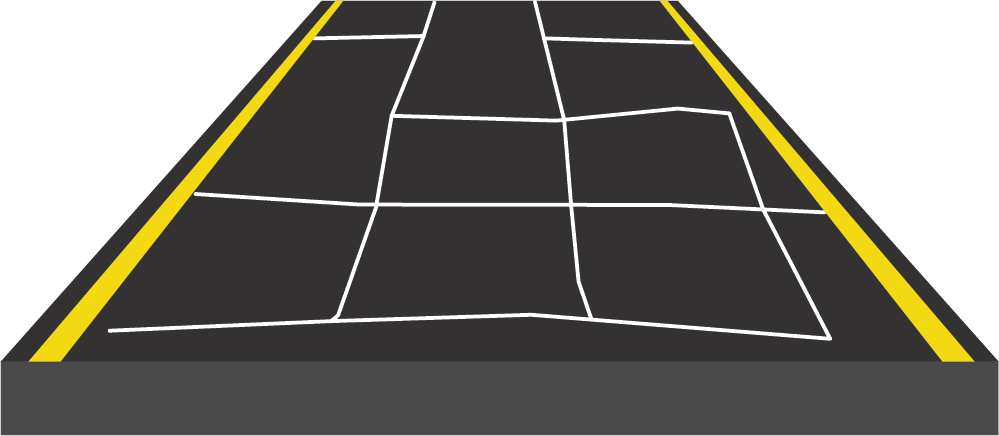
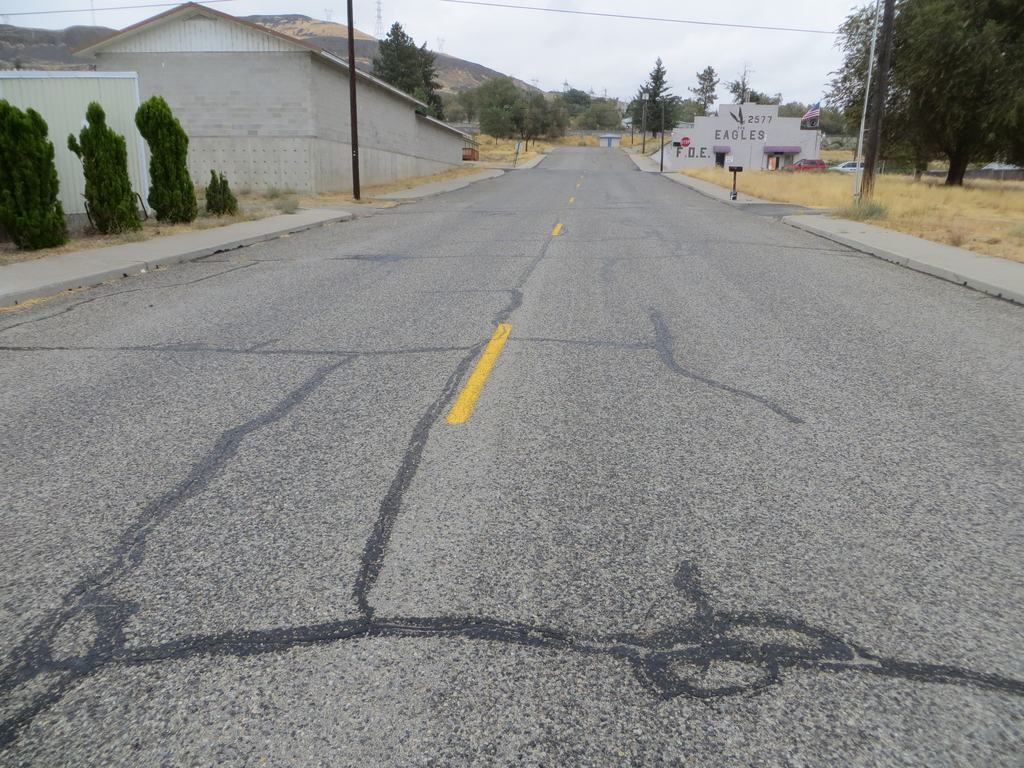
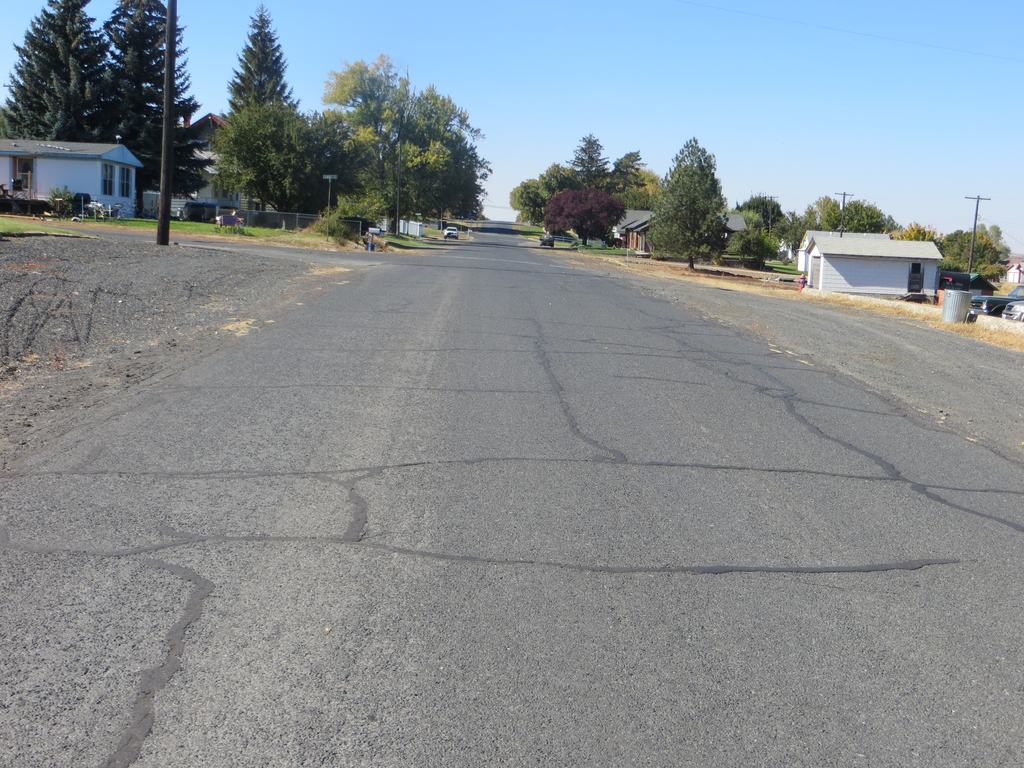
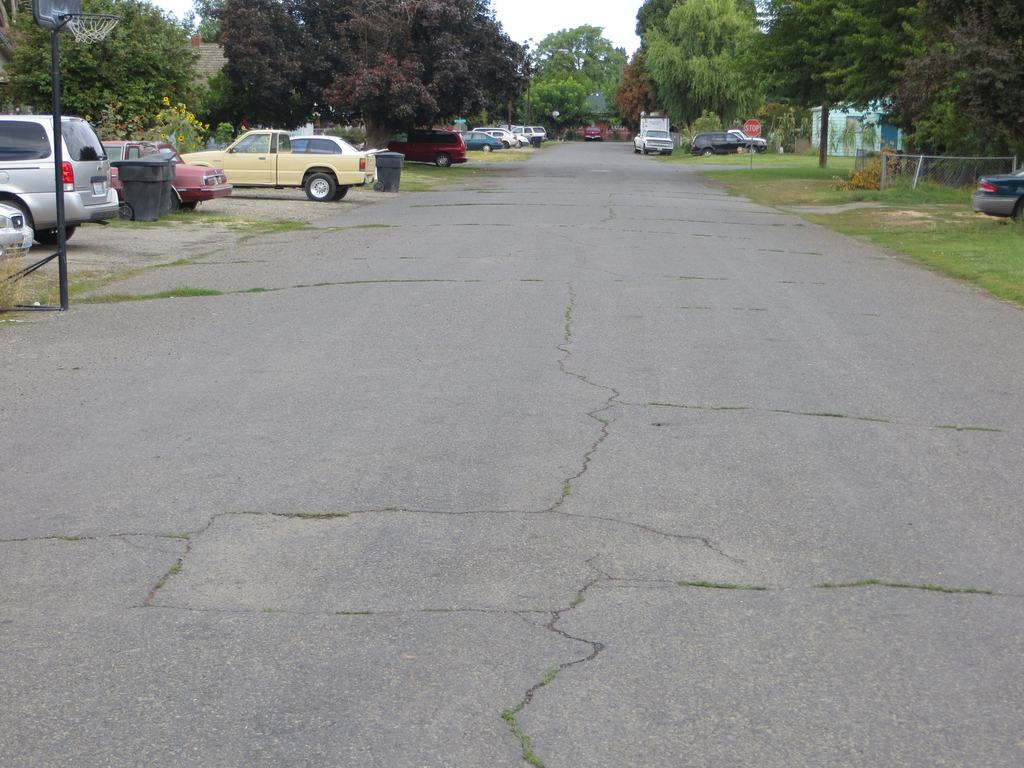
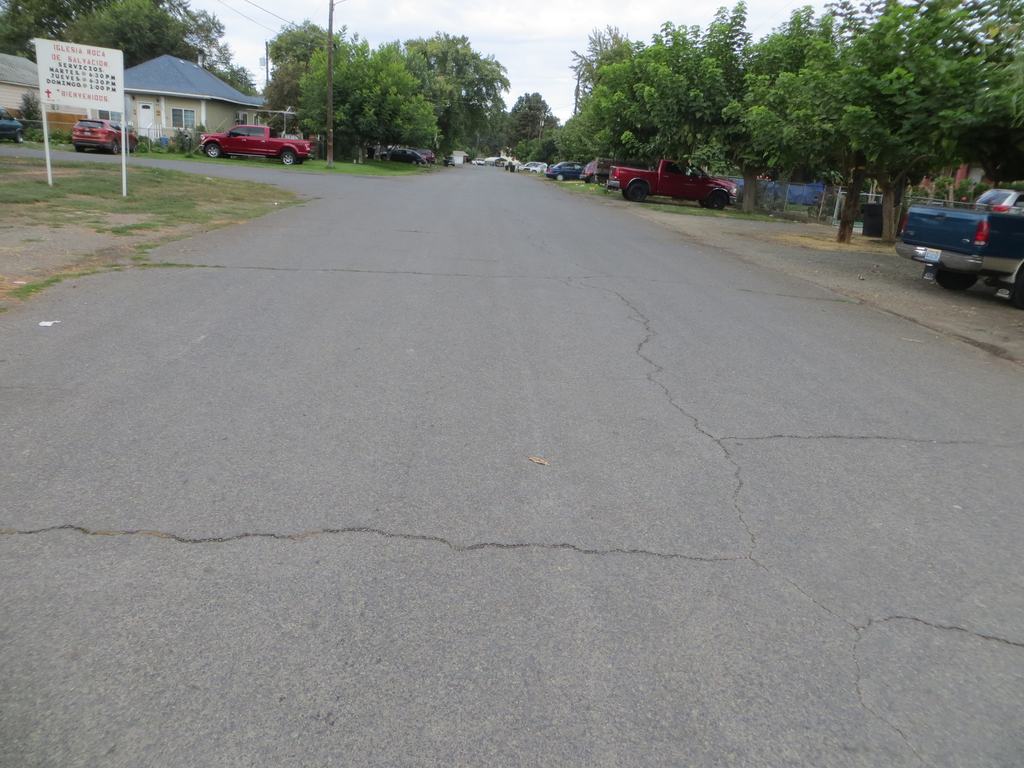
Interconnected cracks dividing the pavement into rough rectangles, from about 1 × 1 ft to 10 × 10 ft. It usually covers a large part of the pavement, sometimes only areas without traffic.
Severity
| Distress | Low | Medium | High |
|---|---|---|---|
| Block Cracking | Cracks ≤ ¼ in wide | Cracks over ¼ in, no spalling | Cracks over ¼ in with spalling |
How it scores (✕ rules the treatment out)
| Treatment | L · M · H |
|---|---|
| Chip / cape seal | 2 · 1 · 1 |
| Thin HMA overlay | 1 · 2 · 1 |
| Full depth reclamation | ✕ · ✕ · 1 |
| Full reconstruction | ✕ · ✕ · 1 |
How to rate it in RxPave
- Block cracking comes from the surface aging, not from traffic loads. A resurfacing usually corrects it unless it's severe.
Why it matters. It lets water in and roughens the ride.
Likely causes. Shrinkage of the asphalt and daily temperature cycles.
How it progresses. Aged binder, or a binder poorly chosen for the climate, can't expand and contract with each day's temperature swing, and the surface cracks into blocks.
Field photos 7
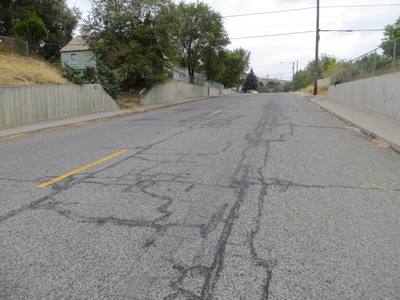
Grand Coulee, WA · seal coat project, funded 2019Photo: Washington TIB 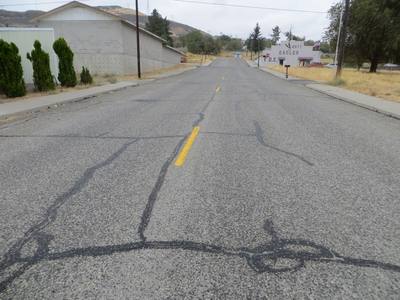
Grand Coulee, WA · seal coat project, funded 2019Photo: Washington TIB 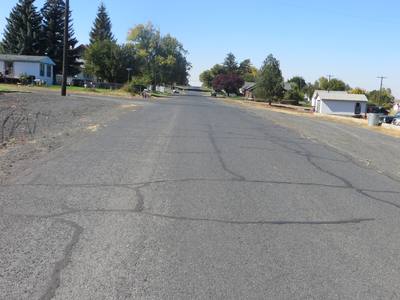
Wilbur, WA · seal coat project, funded 2017Photo: Washington TIB 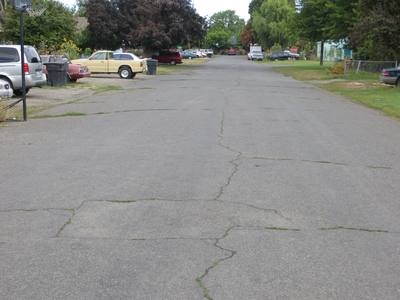
Granger, WA · seal coat project, funded 2019Photo: Washington TIB 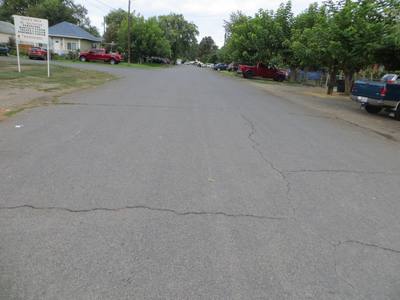
Granger, WA · seal coat project, funded 2019Photo: Washington TIB 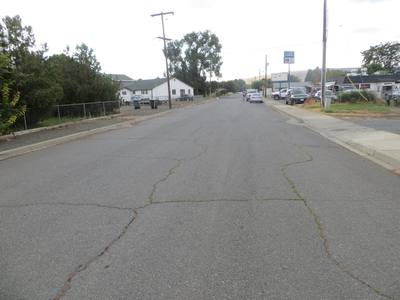
Moxee, WA · overlay project, funded 2019Photo: Washington TIB 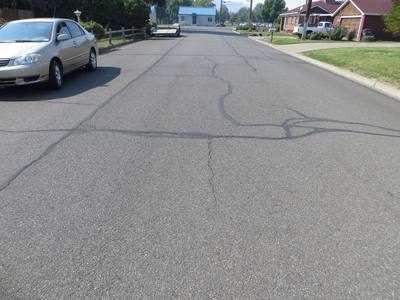
Naches, WA · seal coat project, funded 2019Photo: Washington TIB
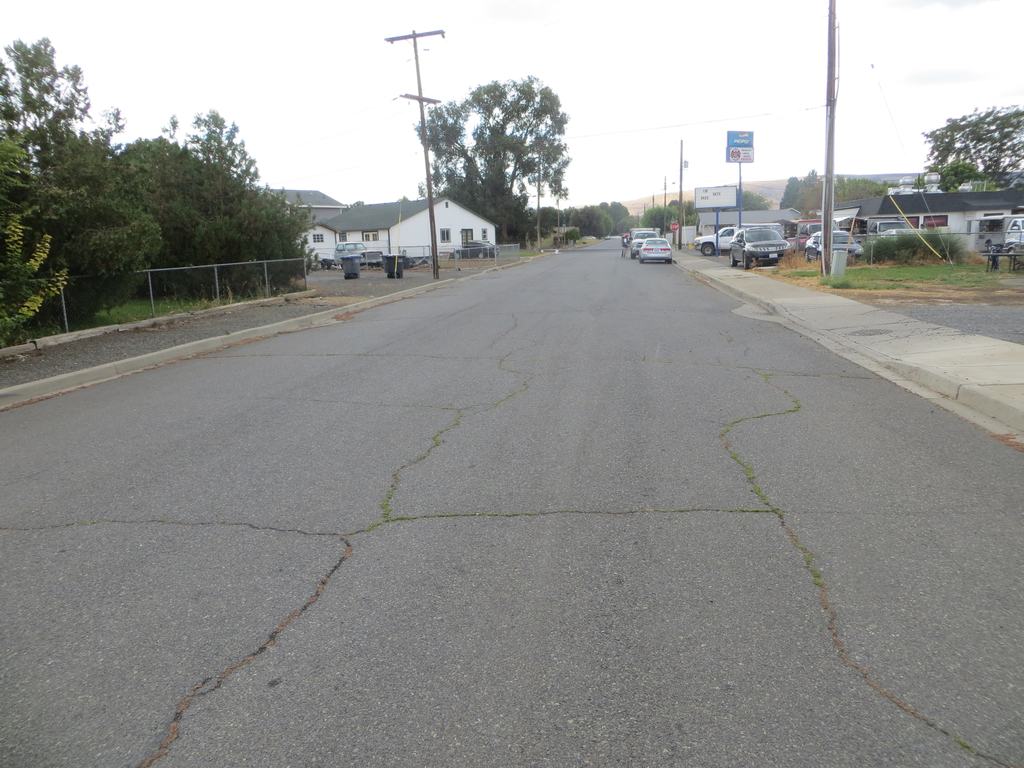
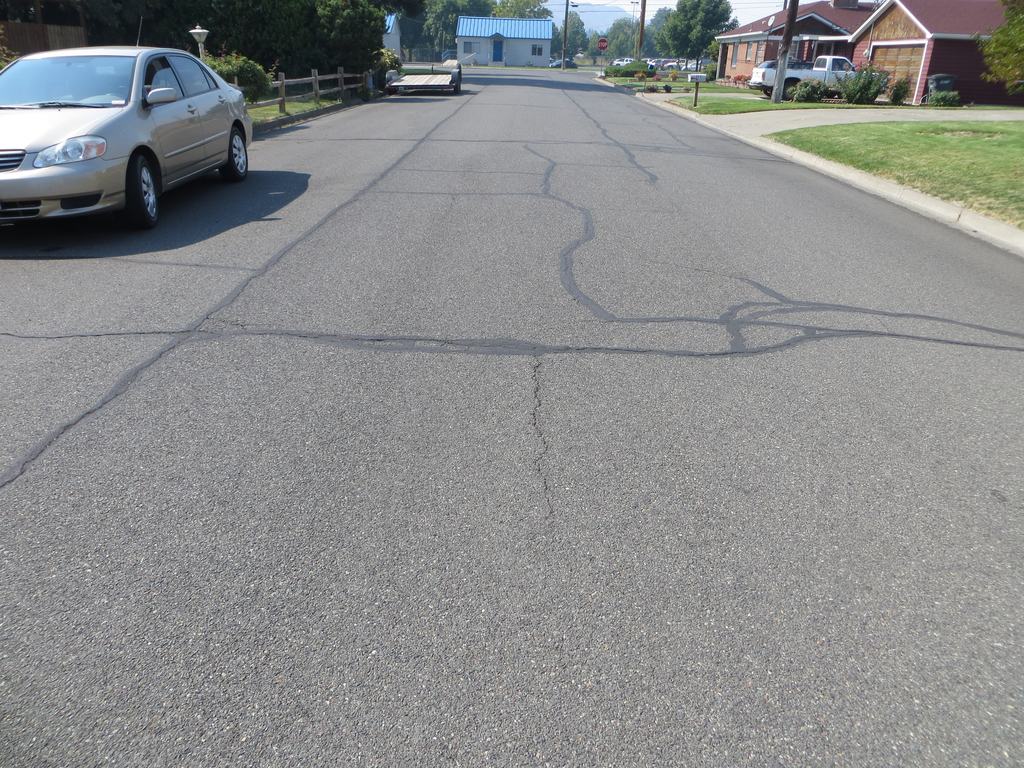
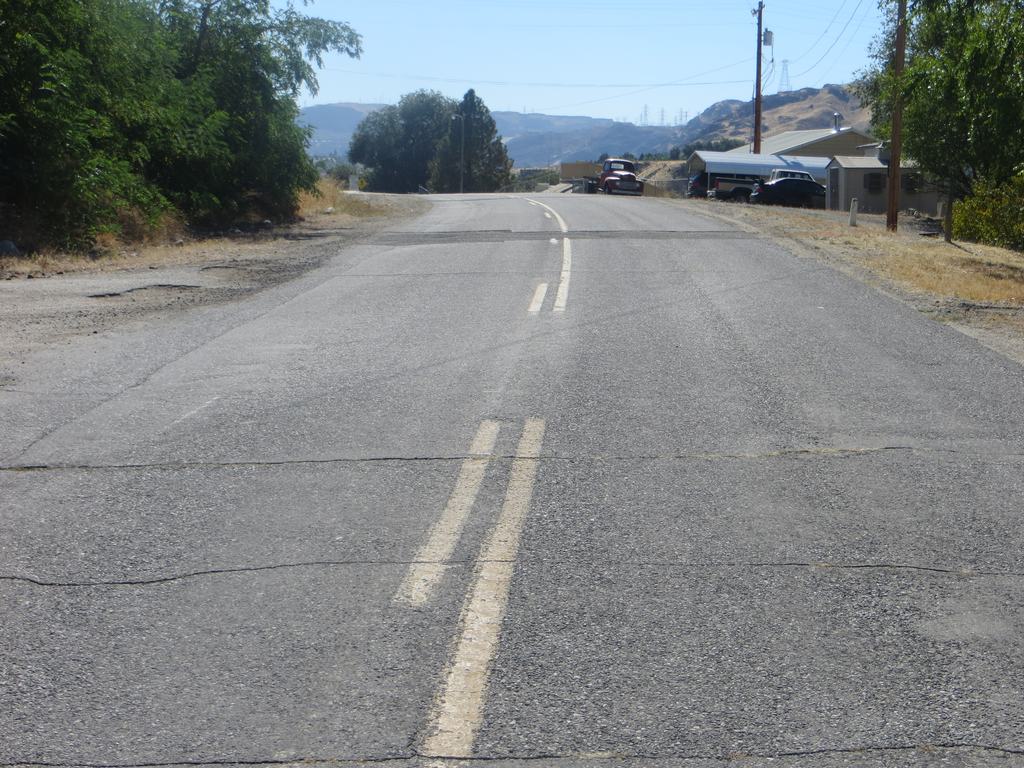
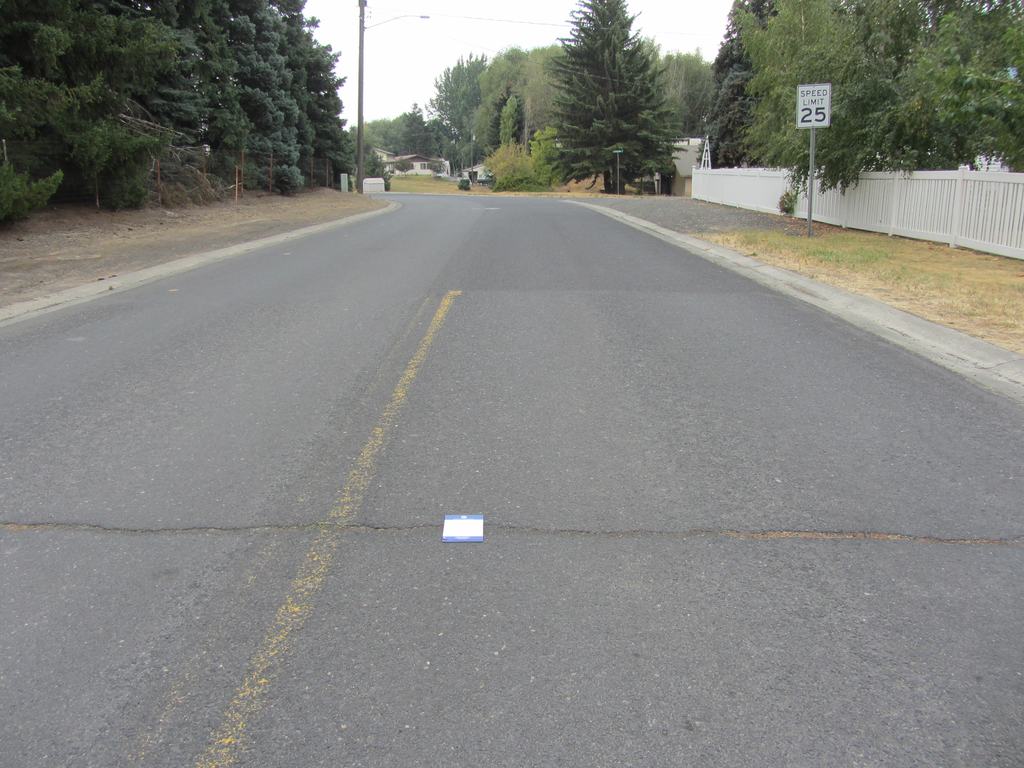
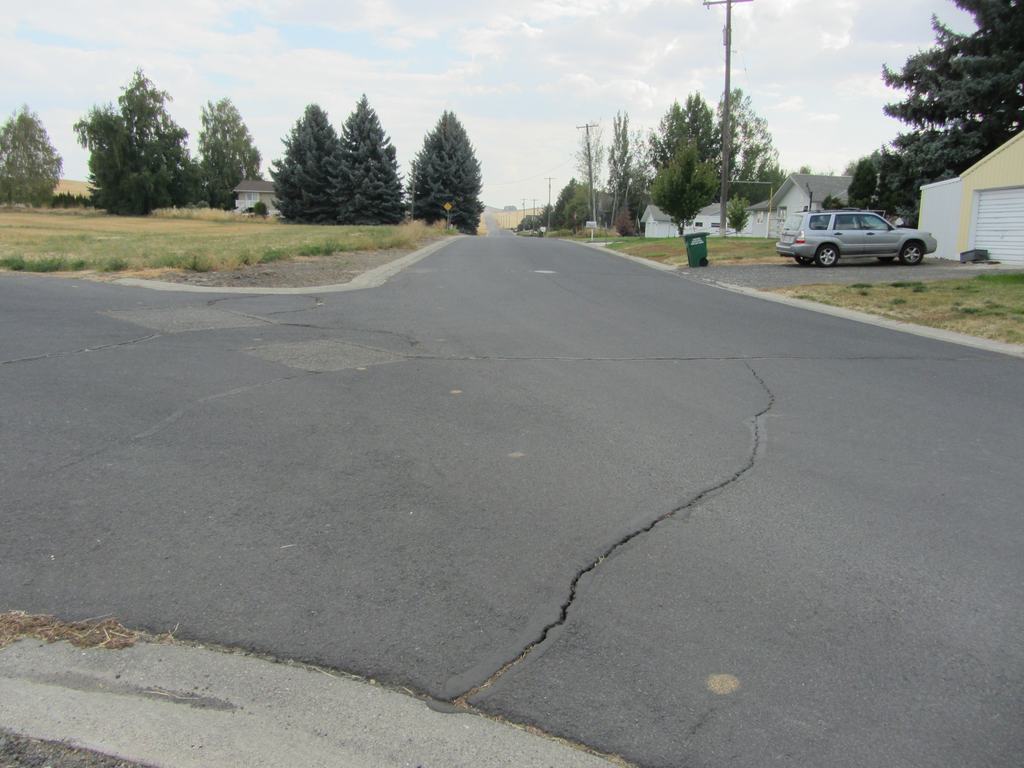
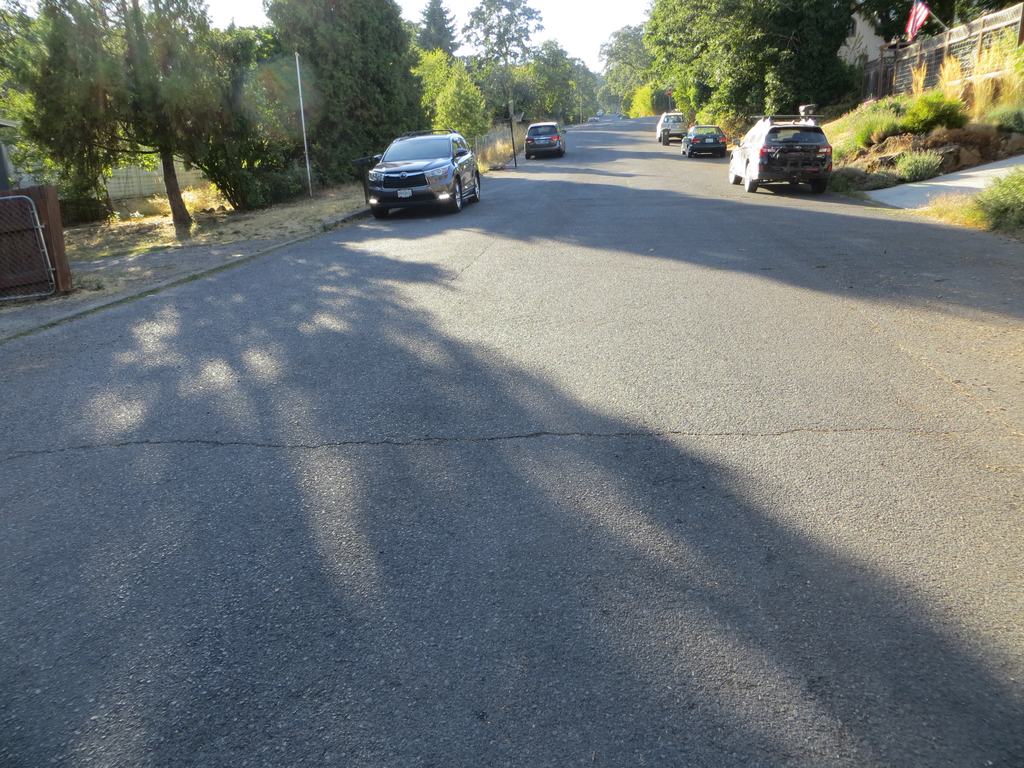
Transverse cracking
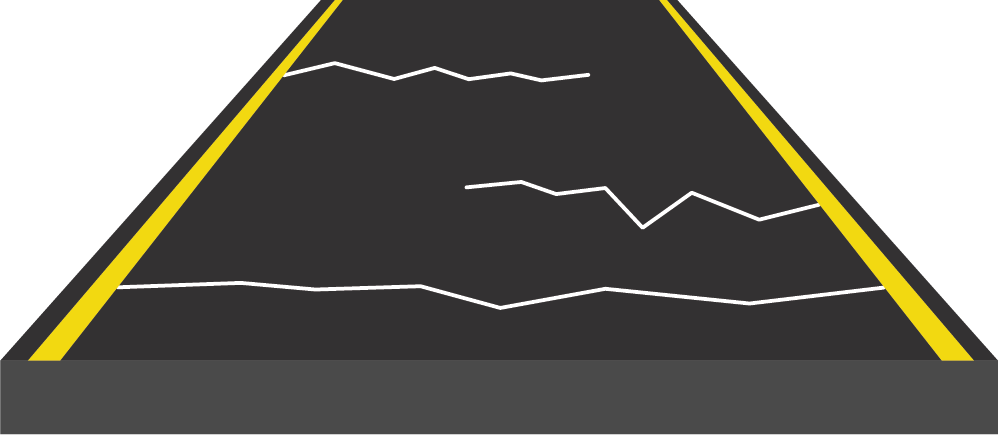
Cracks across the road, perpendicular to the centerline, usually from cold-weather shrinkage.
Severity
| Distress | Low | Medium | High |
|---|---|---|---|
| Transverse Cracking | 1 to 4 cracks per 100 ft | 5 to 9 per 100 ft | 10 or more per 100 ft |
How it scores (✕ rules the treatment out)
| Treatment | L · M · H |
|---|---|
| Chip / cape seal | 2 · 1 · 1 |
| Thin HMA overlay | 1 · 2 · 1 |
| Full depth reclamation | ✕ · ✕ · 1 |
| Full reconstruction | ✕ · ✕ · 1 |
How to rate it in RxPave
- Count the cracks per 100 feet. Thermal cracks usually appear at regular intervals.
Why it matters. A rougher ride, and water getting into the base.
Likely causes. The HMA shrinking in the cold or stiffening with age; cracks reflecting up from a layer below; or top-down cracking.
How it progresses. Cracks widen and multiply. Narrow, scattered cracks (under ½ inch) are less serious than wide ones throughout a segment. RxPave rates the number per 100 feet.
Field photos 5
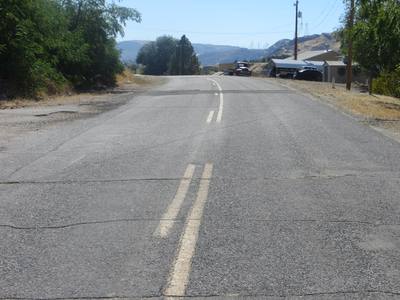
Elmer City, WA · seal coat project, funded 2018Photo: Washington TIB 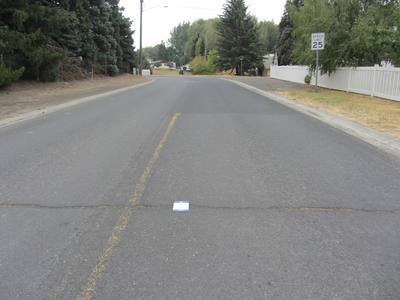
Colton, WA · seal coat project, funded 2019Photo: Washington TIB 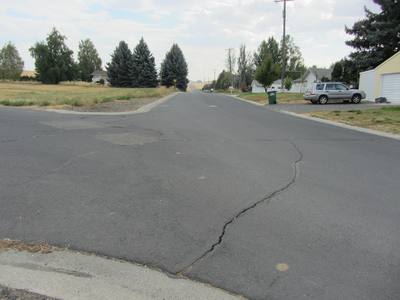
Colton, WA · seal coat project, funded 2019Photo: Washington TIB 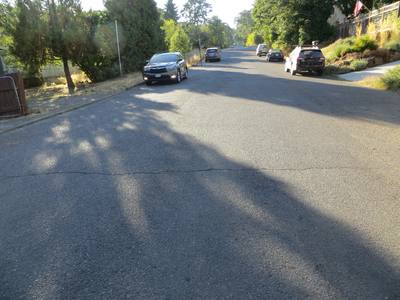
White Salmon, WA · seal coat project, funded 2019Photo: Washington TIB 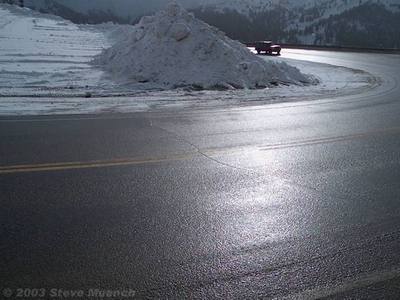
Photo © 2003 Steve Muench
Longitudinal cracking
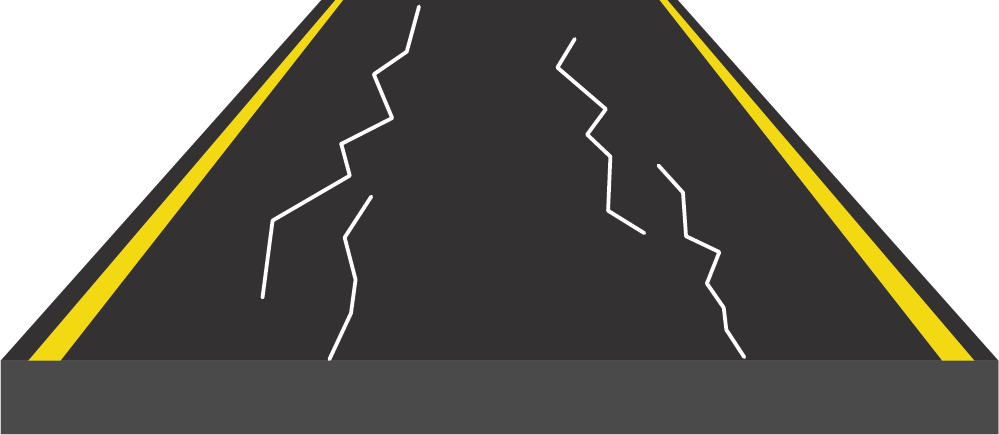
Cracks parallel to the centerline.
Severity
| Distress | Low | Medium | High |
|---|---|---|---|
| Longitudinal Cracking | Total crack length 1% to 99% of the segment length | 100% to 199% | 200% or more |
How it scores (✕ rules the treatment out)
| Treatment | L · M · H |
|---|---|
| Chip / cape seal | 2 · 1 · 1 |
| Thin HMA overlay | 1 · 1 · 2 |
| Full depth reclamation | ✕ · ✕ · 1 |
| Full reconstruction | ✕ · ✕ · 1 |
How to rate it in RxPave
- Straight cracks on a joint or lane line usually mean poor longitudinal joint construction.
- Wavier cracks on pavements with 5 inches or more of HMA are usually top-down cracking, which can progress to alligator cracking.
- Rate by total crack length as a percent of the segment length.
Why it matters. It lets water in, roughens the ride, and can signal the start of fatigue cracking.
Likely causes. Repeated traffic loads, temperature curling and moisture together. Common sources are a poorly built or badly placed joint (in the wheelpath, for instance), a crack reflecting from below, HMA fatigue, and top-down cracking.
How it progresses. Narrow, scattered cracks (under ½ inch) are less serious than wide ones along much of the segment. RxPave rates the total length of cracks against the segment length.
Field photos 4
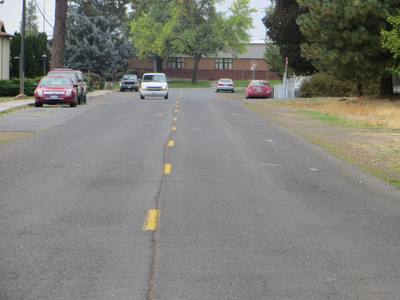
Medical Lake, WA · overlay project, funded 2017Photo: Washington TIB 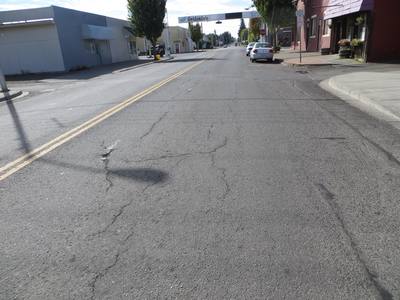
Goldendale, WA · overlay project, funded 2018Photo: Washington TIB 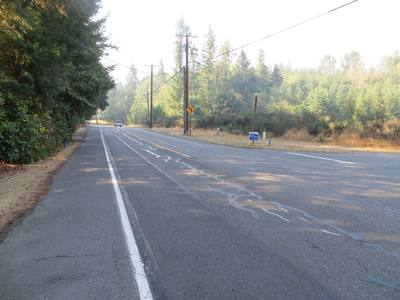
Black Diamond, WA · seal coat project, funded 2019Photo: Washington TIB 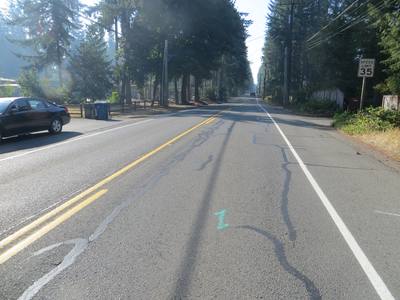
Black Diamond, WA · seal coat project, funded 2019Photo: Washington TIB
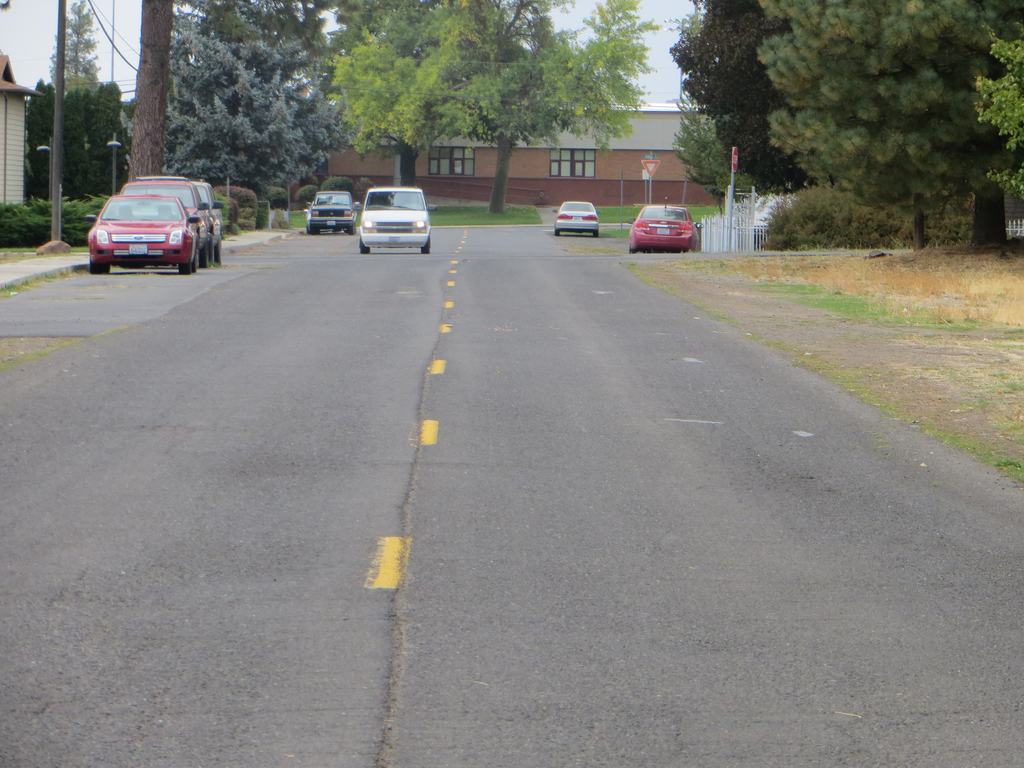
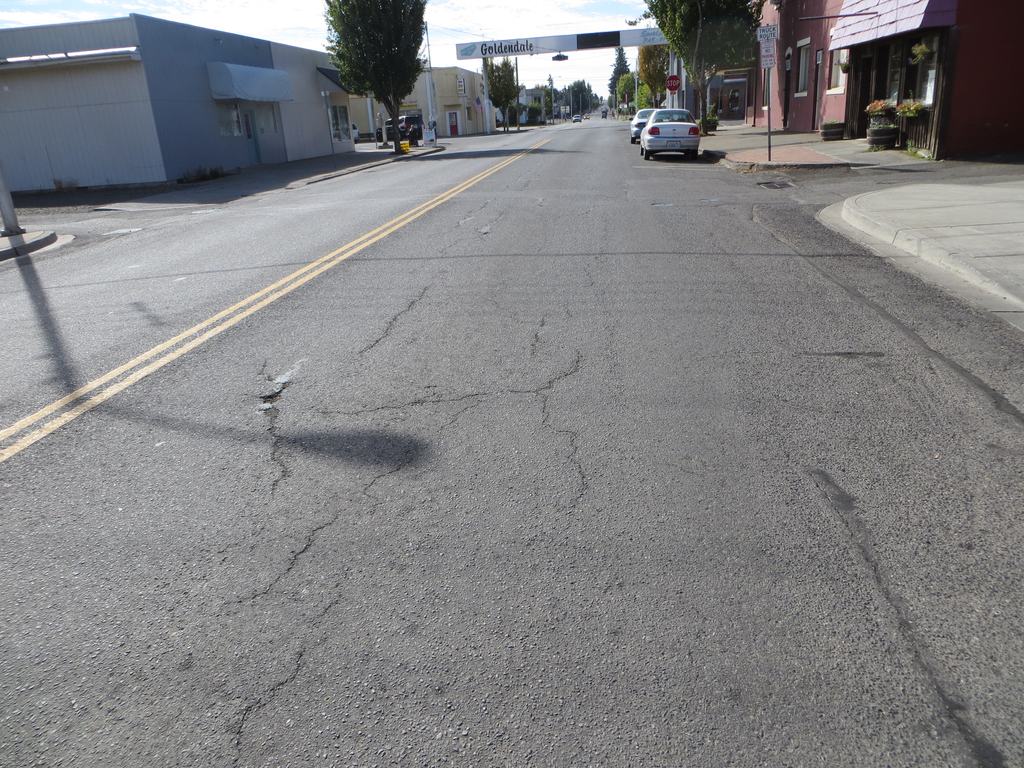
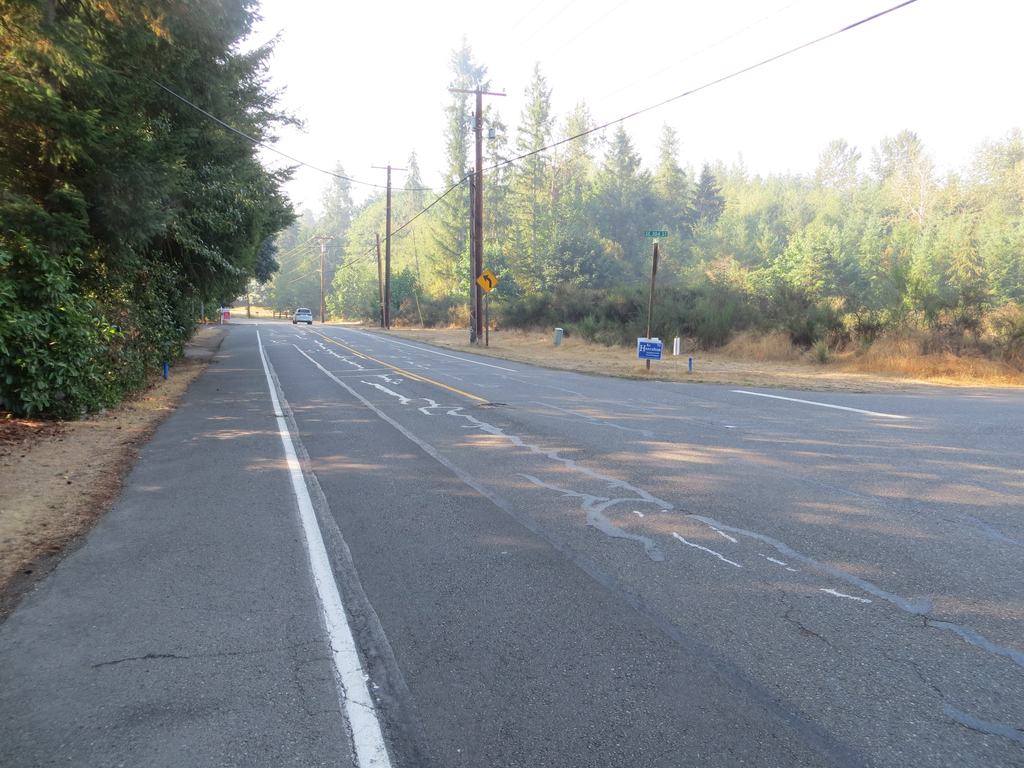
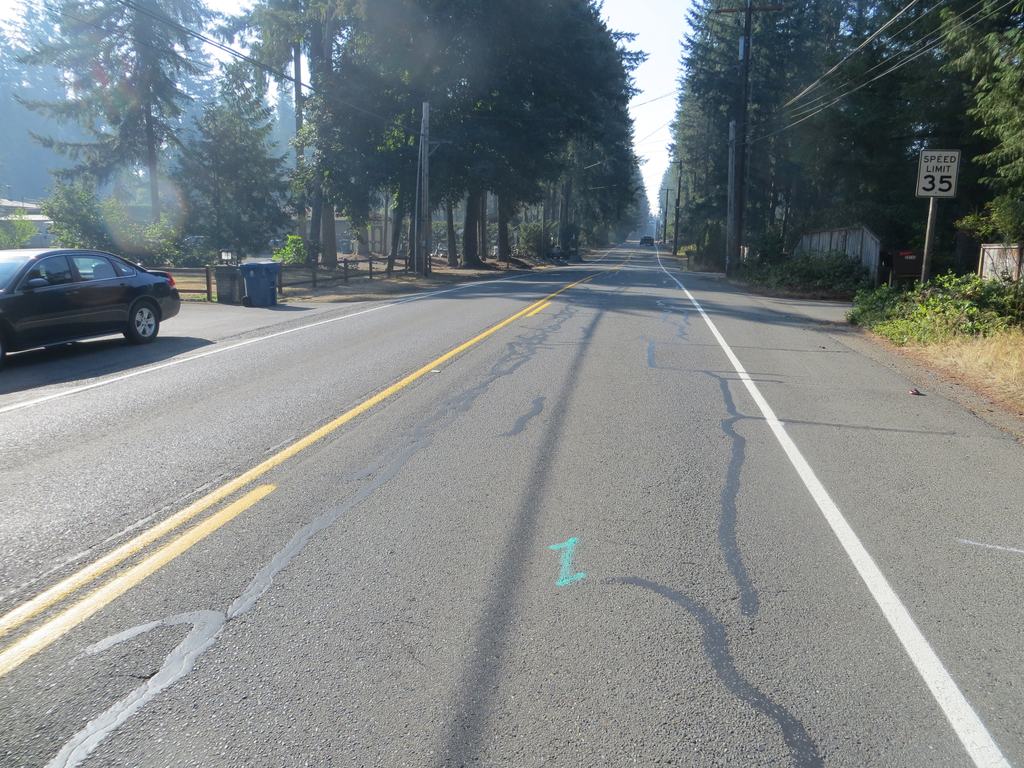
Photos showing more than one distress
Roads rarely show one distress at a time. These field photos each show two or more; the distresses in each are listed under it.
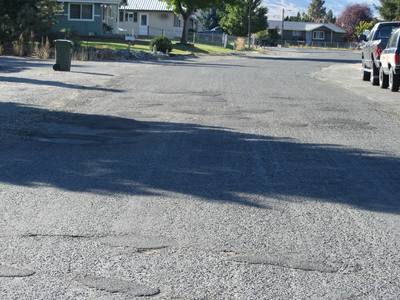
Patching and ravelingOmak, WA · seal coat project, funded 2019Photo: Washington TIB 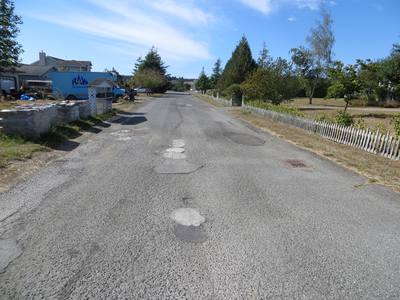
Patching and ravelingCoupeville, WA · full depth reclamation project, funded 2019Photo: Washington TIB 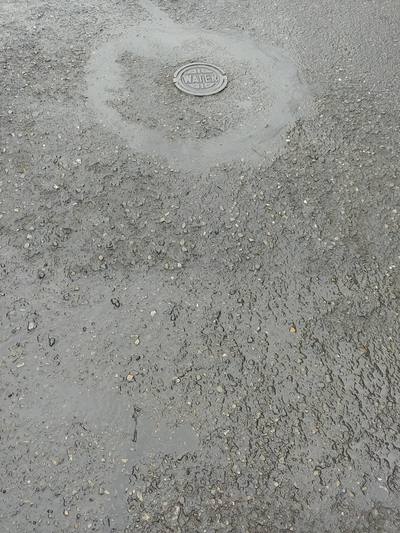
Patching and ravelingPhoto: James Feracor / Washington TIB 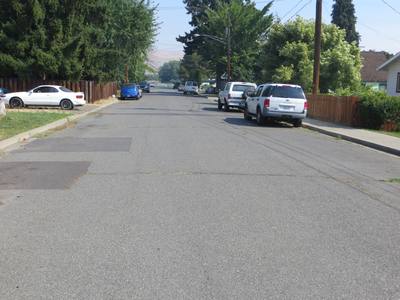
Transverse cracking and patchingPhoto: Steve Muench / Washington TIB 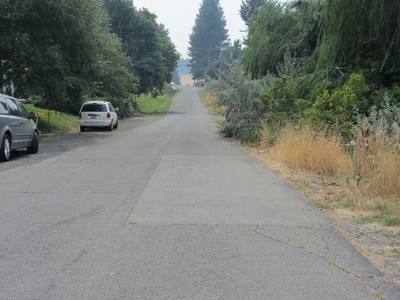
Transverse cracking and patchingPhoto: Steve Muench / Washington TIB 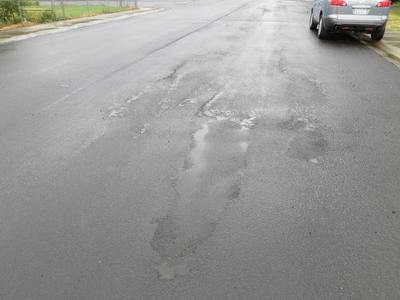
Longitudinal cracking and ravelingPomeroy, WA · seal coat project, funded 2019Photo: Washington TIB 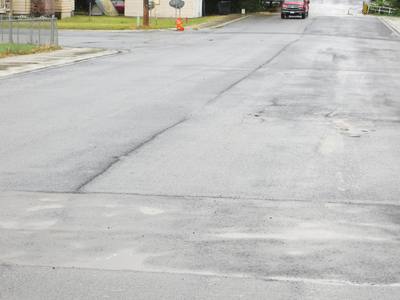
Longitudinal cracking and patchingPomeroy, WA · seal coat project, funded 2019Photo: Washington TIB 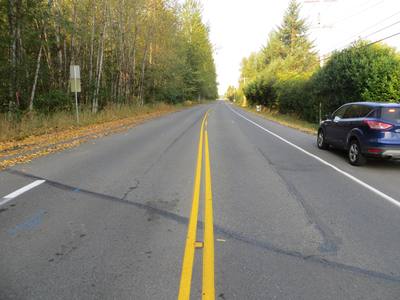
Longitudinal cracking and patchingBuckley, WA · full depth reclamation project, funded 2019Photo: Washington TIB 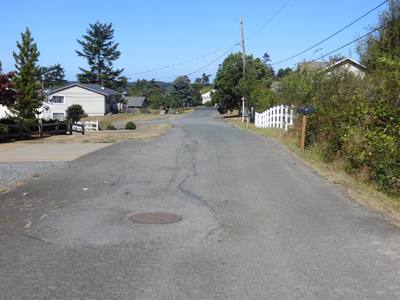
Longitudinal cracking and patchingCoupeville, WA · overlay project, funded 2019Photo: Washington TIB 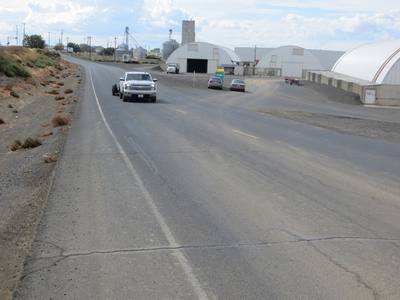
Longitudinal cracking and transverse crackingWarden, WA · full depth reclamation project, funded 2019Photo: Washington TIB 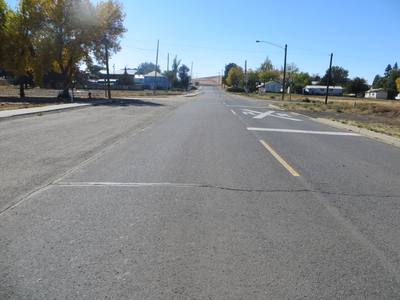
Longitudinal cracking and transverse crackingCreston, WA · seal coat project, funded 2017Photo: Washington TIB 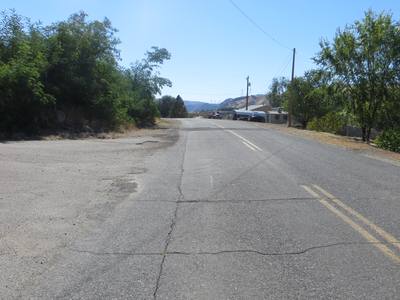
Longitudinal cracking and transverse crackingElmer City, WA · seal coat project, funded 2018Photo: Washington TIB 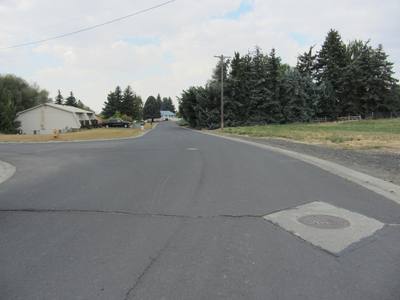
Longitudinal cracking and transverse crackingColton, WA · seal coat project, funded 2019Photo: Washington TIB 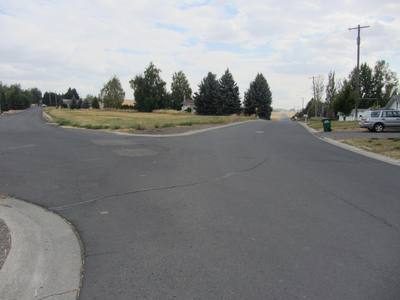
Longitudinal cracking and transverse crackingColton, WA · seal coat project, funded 2019Photo: Washington TIB 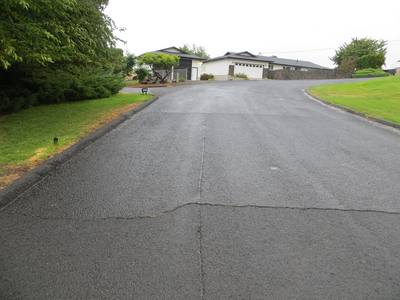
Longitudinal cracking and transverse crackingAsotin, WA · seal coat project, funded 2019Photo: Washington TIB 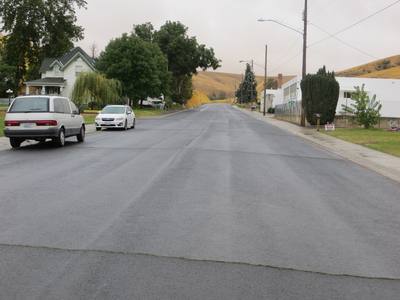
Longitudinal cracking and transverse crackingPomeroy, WA · seal coat project, funded 2019Photo: Washington TIB 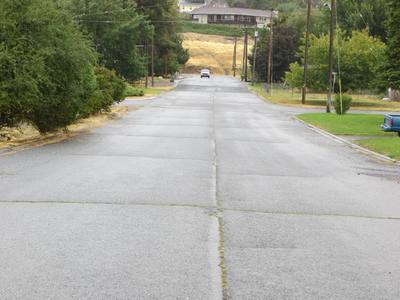
Longitudinal cracking and transverse crackingPomeroy, WA · seal coat project, funded 2019Photo: Washington TIB 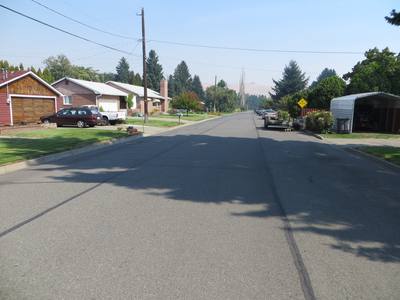
Longitudinal cracking and transverse crackingNaches, WA · seal coat project, funded 2019Photo: Washington TIB 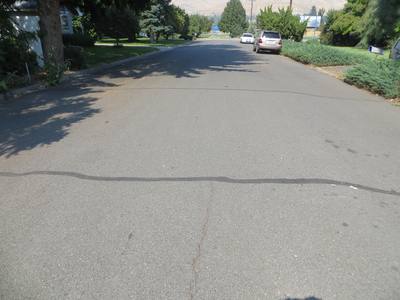
Longitudinal cracking and transverse crackingNaches, WA · seal coat project, funded 2019Photo: Washington TIB 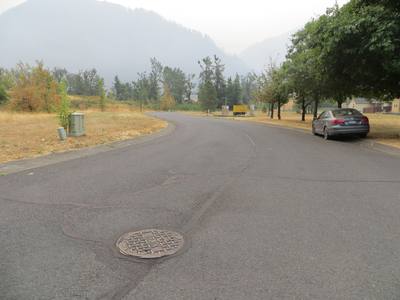
Longitudinal cracking and transverse crackingNorth Bonneville, WA · seal coat project, funded 2019Photo: Washington TIB 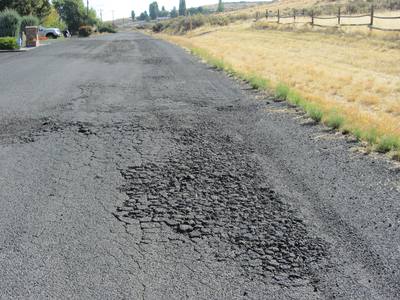
Alligator cracking and ravelingOdessa, WA · full depth reclamation project, funded 2019Photo: Washington TIB 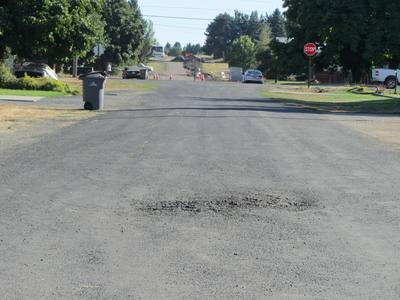
Alligator cracking and ravelingReardan, WA · full depth reclamation project, funded 2019Photo: Washington TIB 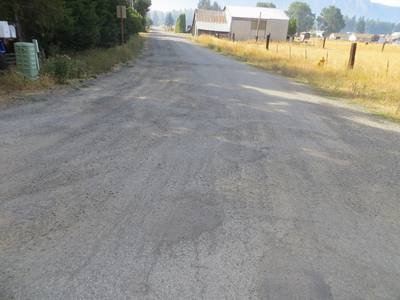
Alligator cracking and ravelingCle Elum, WA · seal coat project, funded 2019Photo: Washington TIB 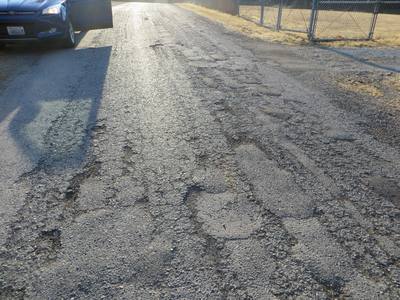
Alligator cracking and ravelingCarbonado, WA · full depth reclamation project, funded 2019Photo: Washington TIB 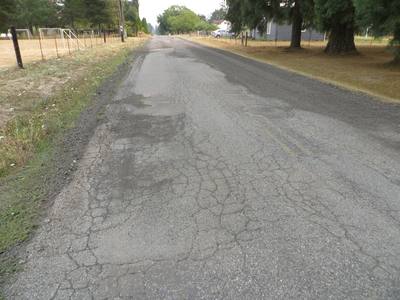
Alligator cracking and ravelingNapavine, WA · full depth reclamation project, funded 2019Photo: Washington TIB 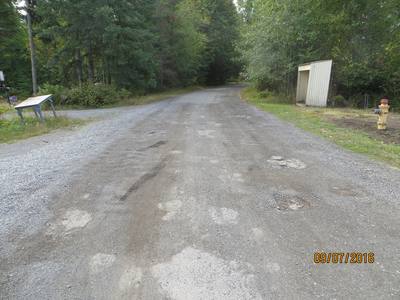
Alligator cracking and ravelingNorth Bonneville, WA · seal coat project, funded 2019Photo: Washington TIB 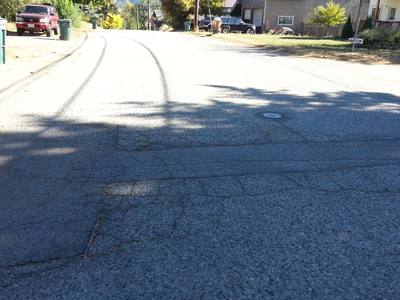
Alligator cracking and patchingLeavenworth, WA · overlay project, funded 2017Photo: Washington TIB 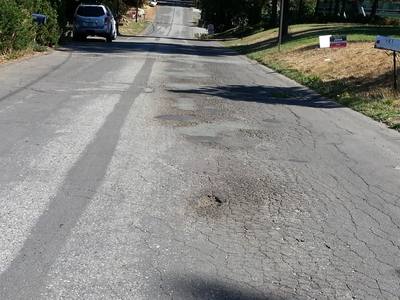
Alligator cracking and patchingLeavenworth, WA · overlay project, funded 2017Photo: Washington TIB 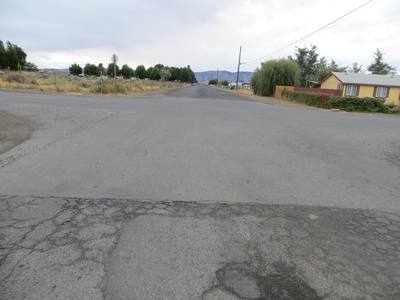
Alligator cracking and patchingMattawa, WA · full depth reclamation project, funded 2019Photo: Washington TIB 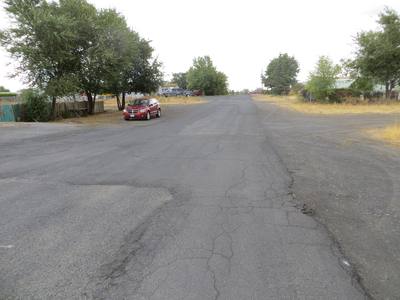
Alligator cracking and patchingSoap Lake, WA · full depth reclamation project, funded 2019Photo: Washington TIB 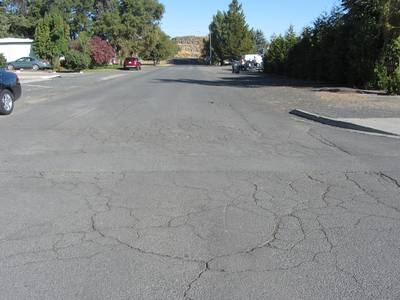
Alligator cracking and patchingOdessa, WA · full depth reclamation project, funded 2019Photo: Washington TIB 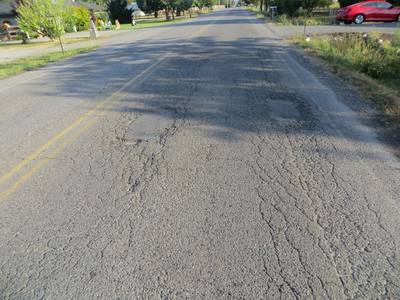
Alligator cracking and patchingBuckley, WA · full depth reclamation project, funded 2019Photo: Washington TIB 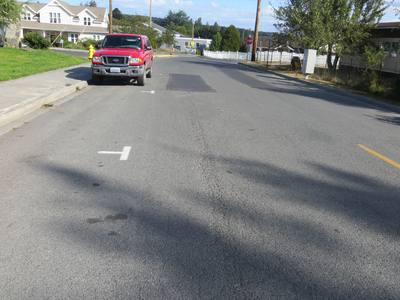
Alligator cracking and patchingFriday Harbor, WA · full depth reclamation project, funded 2019Photo: Washington TIB 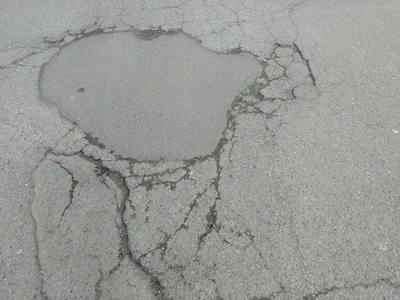
Alligator cracking and patchingPhoto: James Feracor / Washington TIB 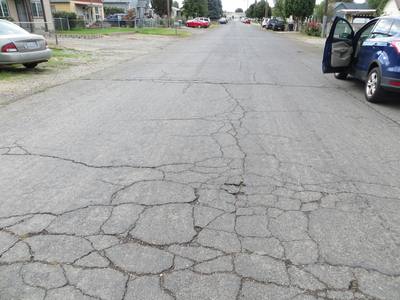
Alligator cracking and transverse crackingGranger, WA · seal coat project, funded 2019Photo: Washington TIB 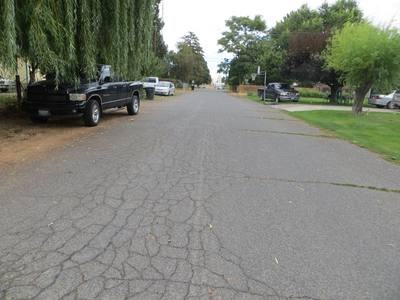
Alligator cracking and transverse crackingGranger, WA · seal coat project, funded 2019Photo: Washington TIB 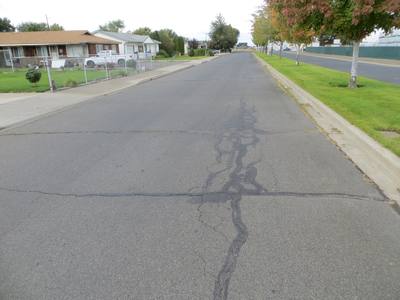
Alligator cracking and transverse crackingMoxee, WA · overlay project, funded 2019Photo: Washington TIB 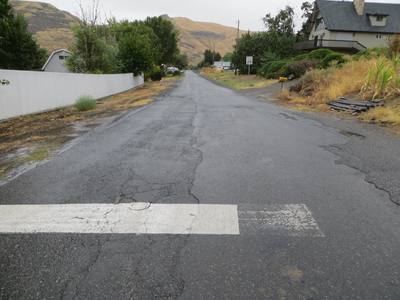
Alligator cracking and longitudinal crackingAsotin, WA · full depth reclamation project, funded 2019Photo: Washington TIB 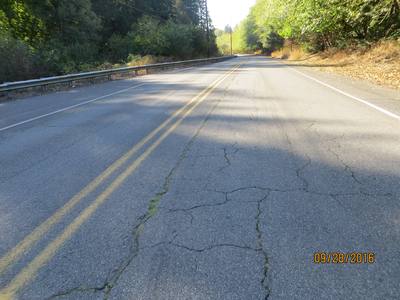
Alligator cracking and longitudinal crackingCastle Rock, WA · full depth reclamation project, funded 2018Photo: Washington TIB 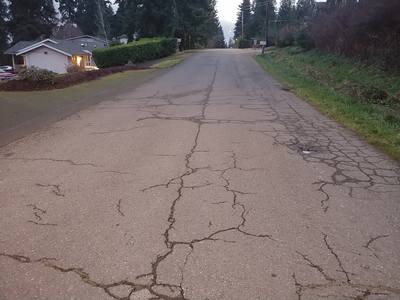
Alligator cracking and longitudinal crackingPhoto: James Feracor / Washington TIB 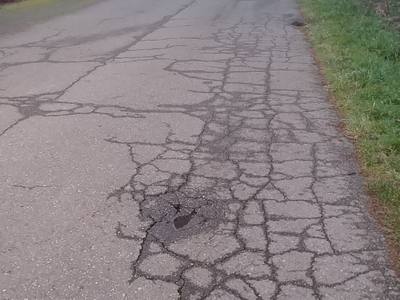
Alligator cracking and longitudinal crackingPhoto: James Feracor / Washington TIB 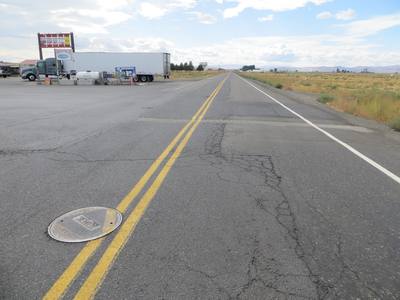
Alligator cracking and block crackingGeorge, WA · full depth reclamation project, funded 2019Photo: Washington TIB 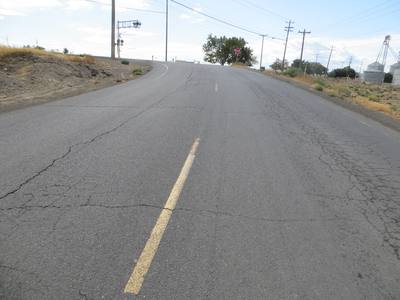
Alligator cracking and block crackingWarden, WA · full depth reclamation project, funded 2019Photo: Washington TIB 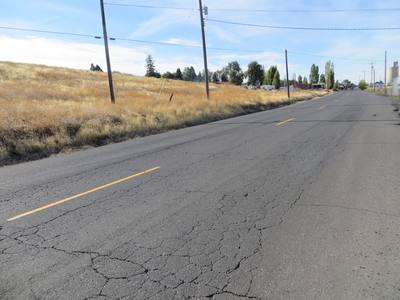
Alligator cracking and block crackingRitzville, WA · full depth reclamation project, funded 2018Photo: Washington TIB 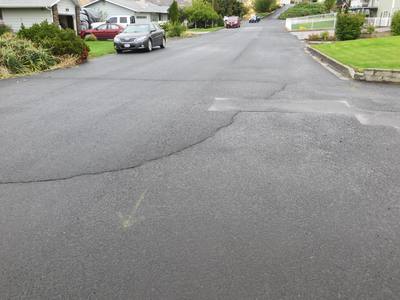
Longitudinal cracking, transverse cracking and patchingAsotin, WA · seal coat project, funded 2019Photo: Washington TIB 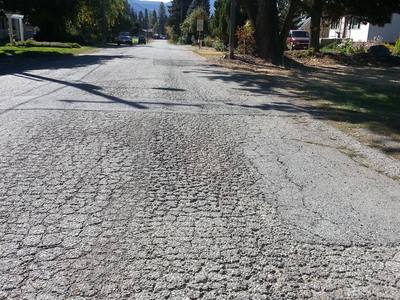
Alligator cracking, patching and ravelingLeavenworth, WA · overlay project, funded 2017Photo: Washington TIB 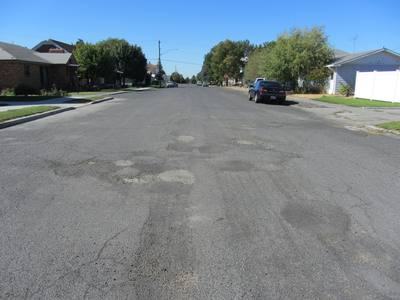
Alligator cracking, patching and ravelingOdessa, WA · full depth reclamation project, funded 2019Photo: Washington TIB 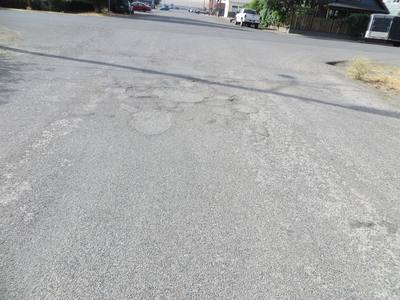
Alligator cracking, patching and ravelingCle Elum, WA · seal coat project, funded 2019Photo: Washington TIB 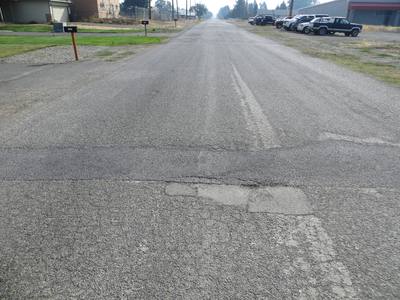
Alligator cracking, patching and ravelingCle Elum, WA · seal coat project, funded 2019Photo: Washington TIB 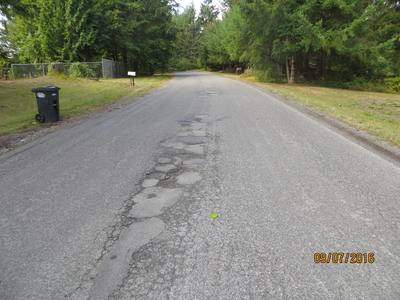
Alligator cracking, patching and ravelingNorth Bonneville, WA · seal coat project, funded 2019Photo: Washington TIB 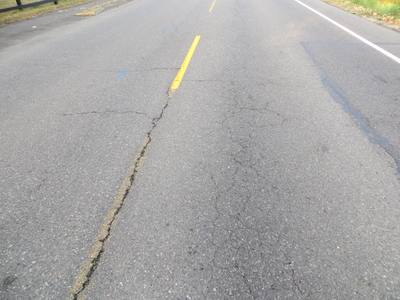
Alligator cracking, longitudinal cracking and patchingBuckley, WA · full depth reclamation project, funded 2019Photo: Washington TIB 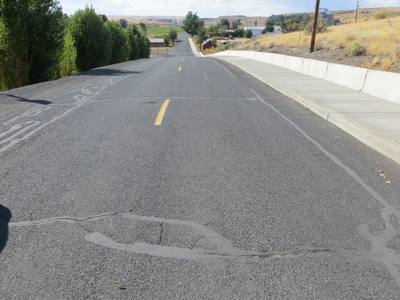
Alligator cracking, longitudinal cracking and transverse crackingWilson Creek, WA · seal coat project, funded 2019Photo: Washington TIB 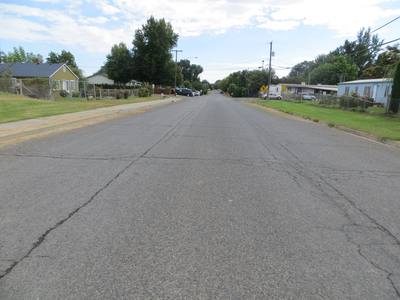
Alligator cracking, longitudinal cracking and transverse crackingGranger, WA · seal coat project, funded 2019Photo: Washington TIB 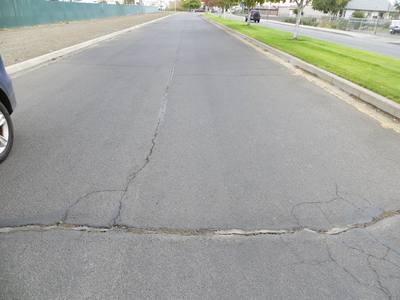
Alligator cracking, longitudinal cracking and transverse crackingMoxee, WA · overlay project, funded 2019Photo: Washington TIB 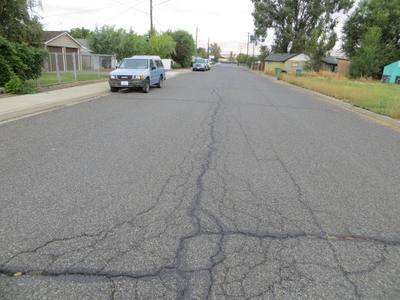
Alligator cracking, longitudinal cracking and transverse crackingMoxee, WA · overlay project, funded 2019Photo: Washington TIB 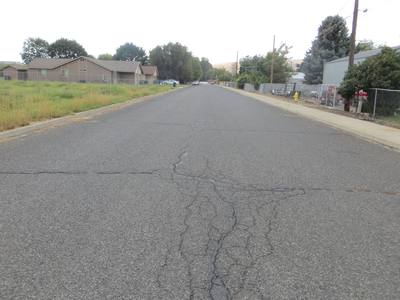
Alligator cracking, longitudinal cracking and transverse crackingMoxee, WA · overlay project, funded 2019Photo: Washington TIB 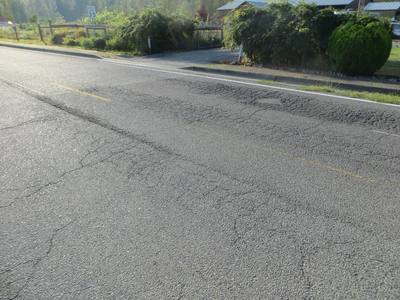
Alligator cracking, longitudinal cracking and transverse crackingBuckley, WA · full depth reclamation project, funded 2019Photo: Washington TIB 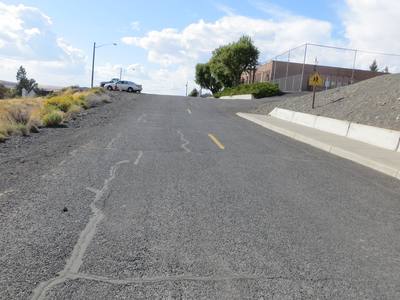
Alligator cracking, block cracking and ravelingWilson Creek, WA · seal coat project, funded 2019Photo: Washington TIB 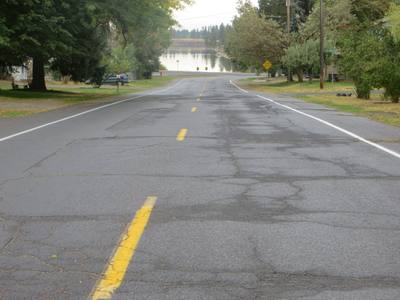
Alligator cracking, block cracking and patchingMedical Lake, WA · overlay project, funded 2017Photo: Washington TIB